





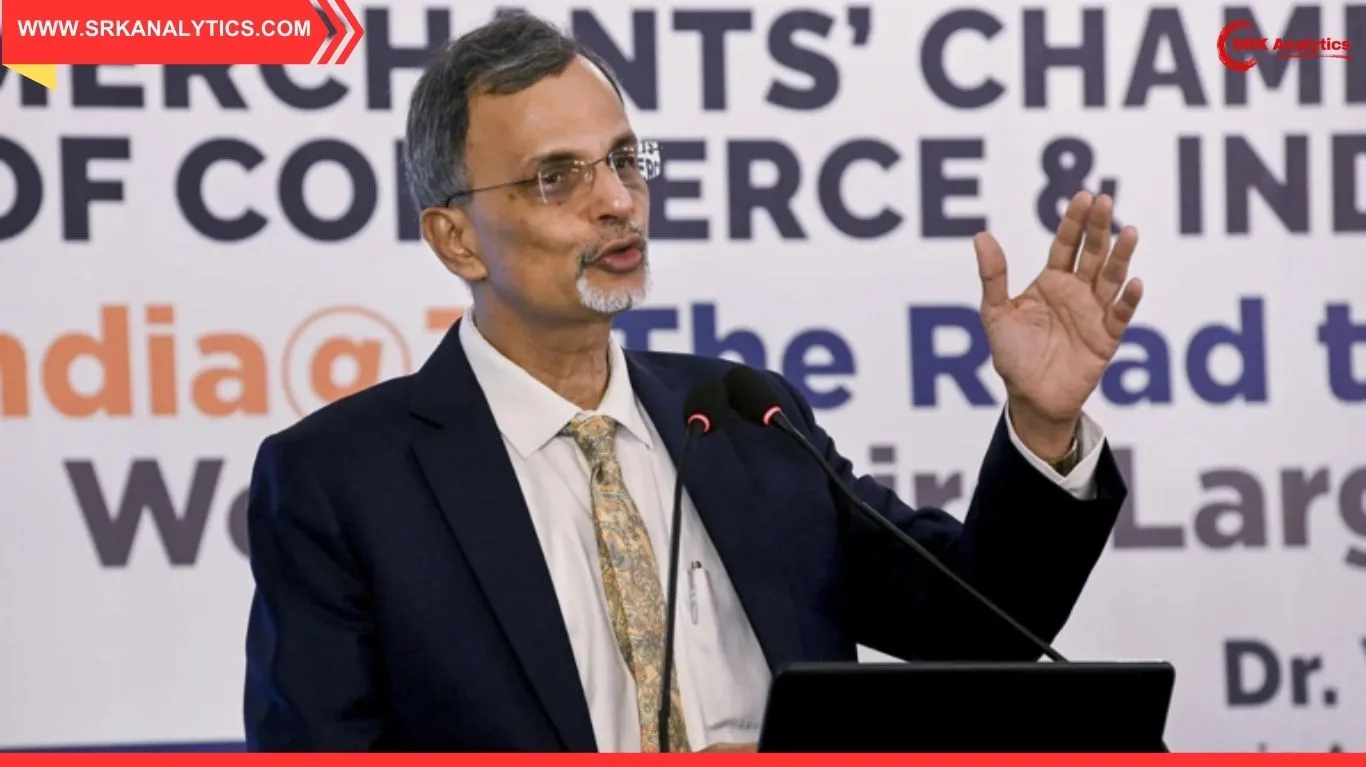
India’s economic growth story continues to gather momentum, with the Chief Economic Adviser (CEA) projecting that the country’s GDP is likely to cross the $4 trillion mark in FY26. This milestone, if achieved, will cement India’s position as one of the fastest-growing major economies in the world and highlight the success of structural reforms, robust domestic demand, and resilience against global headwinds.
India’s Growth Trajectory
India has steadily climbed the global economic ladder over the past two decades:
- 2000s: India’s GDP hovered around $500 billion, driven by IT services and manufacturing.
- 2010s: Rapid growth pushed the economy past the $2 trillion mark.
- 2020s: Despite pandemic disruptions, India rebounded strongly, crossing $3.5 trillion in FY25.
- FY26 Projection: With consistent growth rates, India is expected to surpass $4 trillion.
India’s GDP Growth Journey
| Fiscal Year | GDP (USD Trillion) | Key Drivers | Global Rank |
|---|---|---|---|
| FY10 | 1.3 | Services, IT exports | 11th |
| FY15 | 2.1 | Manufacturing, reforms | 9th |
| FY20 | 2.9 | Consumption, infrastructure | 6th |
| FY25 | 3.5 | Digital economy, resilience post-COVID | 5th |
| FY26 (Projected) | 4.0+ | Domestic demand, reforms, investments | 5th |
Key Drivers Of Growth
The projection is based on several strong fundamentals:
- Domestic Consumption: India’s large middle class continues to drive demand across sectors.
- Infrastructure Push: Government investments in roads, railways, ports, and digital infrastructure.
- Manufacturing Expansion: “Make in India” and Production Linked Incentive (PLI) schemes boosting output.
- Digital Economy: Rapid adoption of fintech, e-commerce, and digital services.
- Global Investments: India remains a preferred destination for FDI due to policy stability.
Sector-Wise Contribution To GDP Growth
| Sector | Contribution (%) | Growth Drivers |
|---|---|---|
| Services | 55 | IT exports, fintech, e-commerce |
| Manufacturing | 25 | PLI schemes, industrial expansion |
| Agriculture | 15 | Agri-tech, rural demand |
| Infrastructure | 5 | Roads, railways, smart cities |
Challenges Ahead
Despite optimism, India faces hurdles:
- Global Uncertainty: Geopolitical tensions and supply chain disruptions.
- Inflationary Pressures: Rising commodity prices could impact consumption.
- Employment Generation: Ensuring job creation keeps pace with growth.
- Climate Risks: Need for sustainable growth models.
- Fiscal Discipline: Balancing growth with fiscal responsibility.
Why Crossing $4 Trillion Matters
- Global Standing: Strengthens India’s position as the fifth-largest economy.
- Investor Confidence: Attracts more foreign capital.
- Policy Validation: Reflects success of reforms and governance.
- Social Impact: Higher GDP translates into better infrastructure, healthcare, and education.
- Strategic Influence: Enhances India’s voice in global economic forums.
Expert Opinions
- Economists: Applaud India’s resilience and structural reforms.
- Policy Makers: Highlight the importance of continued fiscal discipline.
- Investors: See India as a long-term growth story.
- Global Analysts: Note India’s rise as a counterbalance in global economic dynamics.
Public Sentiment
- Optimistic Citizens: Proud of India’s economic rise.
- Business Leaders: Excited about opportunities in manufacturing and services.
- Neutral Observers: Stress the need for inclusive growth.
- Social Media: Buzzing with discussions on India’s journey to $4 trillion.
Future Outlook
- Short-Term: Focus on sustaining growth momentum in FY26.
- Medium-Term: Targeting $5 trillion economy by FY28.
- Long-Term: India aims to be among the top three global economies by 2035.
- Global Impact: India’s rise will reshape trade, investment, and geopolitical equations.
Conclusion
The projection by the Chief Economic Adviser that India’s economy is likely to cross $4 trillion in FY26 is a testament to the country’s resilience, reforms, and growth potential. While challenges remain, the fundamentals are strong enough to ensure that India continues its upward trajectory.
For policymakers, this milestone validates years of reform. For businesses, it signals opportunities across sectors. And for citizens, it represents a brighter future with better infrastructure, jobs, and services. India’s march towards $4 trillion is not just about numbers—it is about transformation, ambition, and global leadership.
Disclaimer: This article is based on publicly available economic updates, expert commentary, and market analysis. Readers are advised to follow official government releases and verified sources for detailed information.