




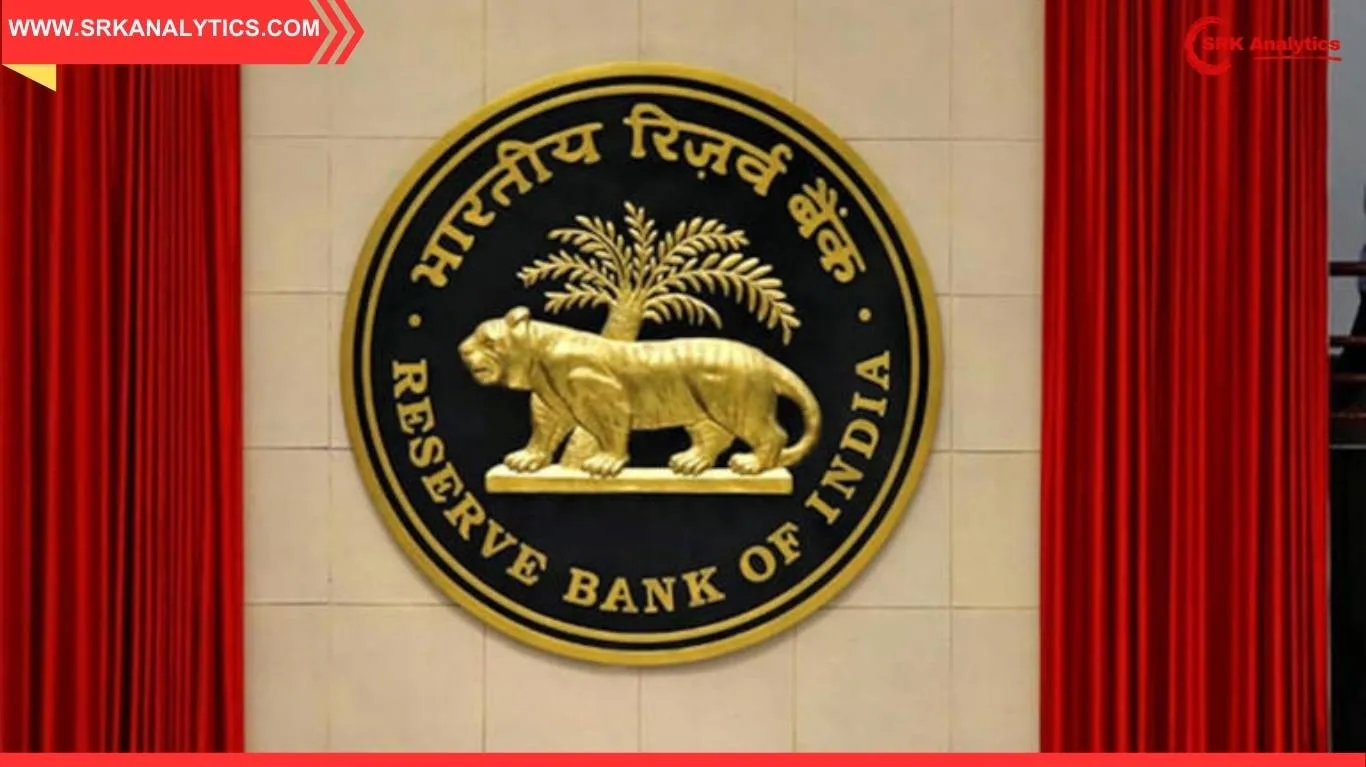
India’s economy has shown renewed signs of momentum, with the Reserve Bank of India (RBI) highlighting in its latest report that GST rate cuts and festive demand have played a pivotal role in boosting consumption and overall growth. The report underscores how policy measures, combined with seasonal factors, have created a positive environment for businesses and consumers alike, setting the stage for stronger economic performance in the coming quarters.
GST Rate Cuts and Their Impact
The Goods and Services Tax (GST) has been a cornerstone of India’s indirect taxation system.
- Recent Cuts: The government announced reductions in GST rates across several categories, including consumer goods, electronics, and essential items.
- Objective: To stimulate demand by making products more affordable.
- Immediate Effect: Retailers reported increased footfall and higher sales volumes.
- Long-Term Impact: Lower tax burdens are expected to encourage investment and expand market participation.
Festive Demand: A Seasonal Boost
India’s festive season, spanning from Navratri to Diwali and Christmas, traditionally drives consumption.
- Consumer Spending: Families increase purchases of electronics, automobiles, apparel, and gold.
- Retail Sector: Witnessed double-digit growth during the festive months.
- E-commerce: Online platforms reported record-breaking sales, driven by discounts and offers.
- Multiplier Effect: Higher demand boosted manufacturing, logistics, and services sectors.
Key Drivers of Economic Momentum
| Driver | Impact on Economy | Sector Benefited | Long-Term Outlook |
|---|---|---|---|
| GST Rate Cuts | Lower prices, higher demand | Retail, FMCG, electronics | Sustained consumption growth |
| Festive Demand | Seasonal spending surge | Retail, e-commerce, auto | Cyclical but strong |
| Monetary Policy | Stable interest rates | Banking, housing | Encourages investment |
| Global Trade | Improved exports | Manufacturing, IT | Positive if global demand holds |
| Infrastructure Push | Government spending | Construction, steel, cement | Long-term growth driver |
RBI’s Observations
The RBI report highlighted several important trends:
- Consumption Revival: Household spending has picked up, reversing earlier sluggishness.
- Investment Climate: Businesses are showing renewed confidence, with higher capital expenditure.
- Inflation Control: Despite rising demand, inflation remains within manageable levels.
- Employment Generation: Increased activity in retail and manufacturing has supported job creation.
Sector-Wise Growth Trends
| Sector | Growth Rate | Key Factors |
|---|---|---|
| Retail | 12% | GST cuts, festive demand |
| E-commerce | 18% | Discounts, digital adoption |
| Automobiles | 9% | Festive purchases, financing schemes |
| FMCG | 10% | Lower GST, rural demand |
| Infrastructure | 7% | Government spending, private investment |
Expert Opinions
- Economists: Stress that GST cuts have provided immediate relief to consumers, boosting demand.
- Policy Analysts: Highlight the importance of balancing tax revenue with growth incentives.
- Industry Leaders: Welcome the festive demand surge, noting improved business sentiment.
- Retail Associations: Report record-breaking sales, especially in urban centers.
Public Sentiment
- Consumers: Express satisfaction with lower prices and festive offers.
- Businesses: Optimistic about sustained demand in the coming months.
- Investors: Encouraged by RBI’s positive outlook, leading to stronger market confidence.
- Media: Highlight the combination of policy and seasonal factors as a turning point.
Challenges Ahead
Despite positive momentum, challenges remain:
- Global Uncertainty: Fluctuations in oil prices and geopolitical tensions could impact growth.
- Fiscal Balance: GST rate cuts may reduce government revenue in the short term.
- Rural Demand: Needs sustained support through agricultural reforms and rural infrastructure.
- Inflation Risks: Rising demand could trigger price pressures if supply does not keep pace.
Government’s Strategy
The government is expected to continue supporting growth through:
- Targeted GST Adjustments: Ensuring affordability without compromising revenue.
- Infrastructure Investments: Expanding roads, railways, and digital networks.
- Rural Development: Strengthening schemes for farmers and rural households.
- Digital Economy Push: Encouraging e-commerce and fintech adoption.
Future Outlook
The RBI report suggests a positive trajectory for India’s economy:
- Short-Term: Festive demand will continue to support growth.
- Medium-Term: GST reforms and infrastructure spending will sustain momentum.
- Long-Term: India’s economy is poised to benefit from structural reforms, digital adoption, and global trade opportunities.
Conclusion
The RBI’s report on GST rate cuts and festive demand highlights a crucial phase in India’s economic journey. By combining policy measures with seasonal consumption, the economy has gained momentum, offering hope for sustained growth.
While challenges remain, the overall outlook is optimistic. For businesses, consumers, and policymakers, the message is clear: India’s economy is resilient, adaptive, and ready to capitalize on opportunities.
Disclaimer: This article is based on publicly available economic updates, expert commentary, and RBI reports. Readers are advised to follow official government and RBI releases for verified details.