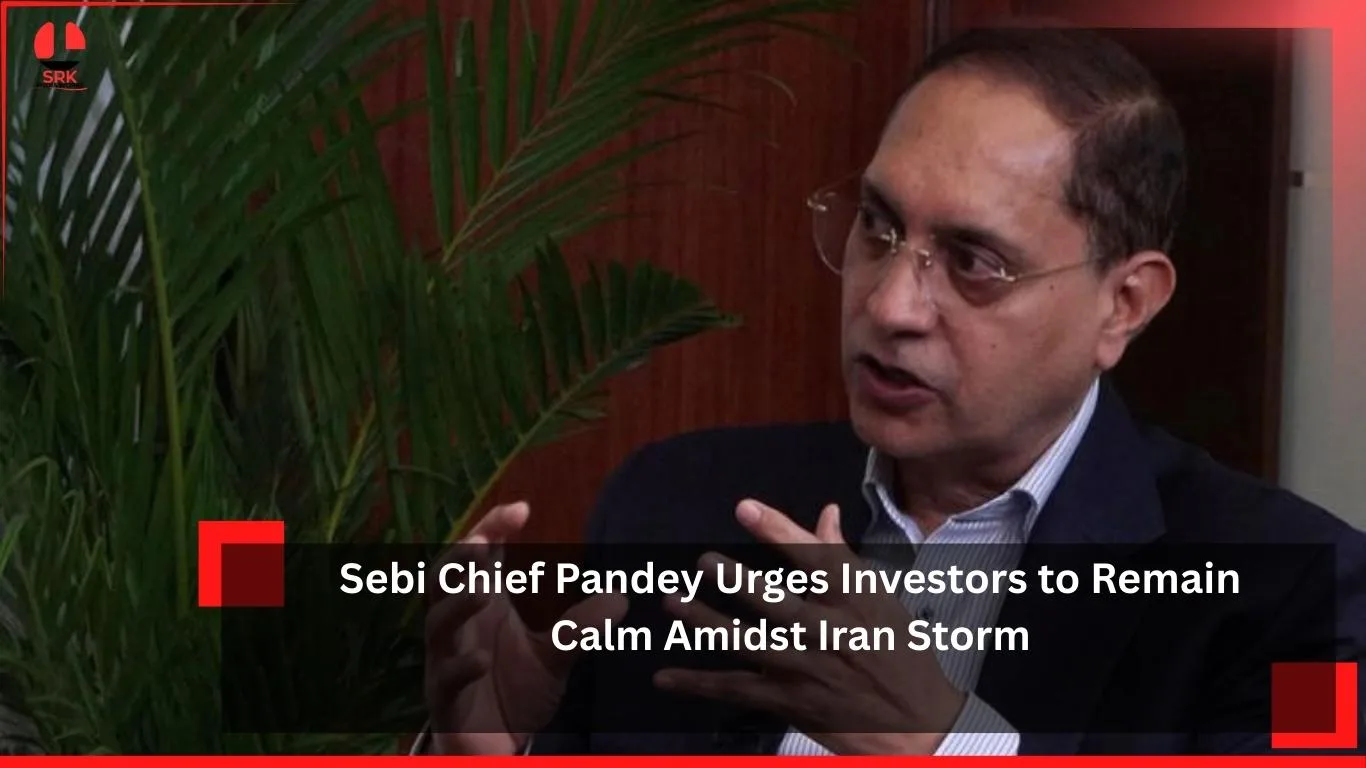






In a significant development for India’s capital markets, SEBI Chairman Madhabi Puri Buch revealed that domestic investors now control 36% of the free float market capitalisation of the Nifty 50 index. This marks a major shift in market dynamics, highlighting the growing influence of Indian retail and institutional investors in shaping the country’s equity landscape.
Background of the Announcement
The Nifty 50, India’s benchmark equity index, represents the performance of the country’s largest and most liquid companies. Traditionally, foreign institutional investors (FIIs) have held a dominant position in the free float market capitalisation. However, recent trends show domestic investors steadily increasing their share, reflecting:
- Rising participation from retail investors through systematic investment plans (SIPs).
- Strong inflows into mutual funds and insurance companies.
- Growing confidence in India’s economic growth story.
- Reduced dependence on foreign capital for market stability.
Why Domestic Investor Control Matters
- Market Stability – Higher domestic participation reduces volatility caused by foreign capital flows.
- Economic Confidence – Reflects trust in India’s long-term growth prospects.
- Policy Impact – Strengthens the case for investor-friendly reforms.
- Wealth Creation – Expanding retail participation supports financial inclusion.
- Global Positioning – Demonstrates India’s maturing capital markets to international observers.
Comparative Analysis of Market Share
| Investor Category | Share of Free Float Market Cap | Key Trend |
|---|---|---|
| Domestic Investors | 36% | Rising steadily |
| Foreign Institutional Investors (FIIs) | 44% | Declining share |
| Promoters & Others | 20% | Stable contribution |
This table highlights how domestic investors are narrowing the gap with FIIs, reshaping the balance of power in India’s equity markets.
Analytical Perspective
From an analytical standpoint, the rise of domestic investors reflects a structural transformation in India’s capital markets. The surge in SIPs, mutual fund inflows, and insurance investments has created a steady stream of domestic liquidity. This reduces reliance on foreign capital, making markets more resilient to global shocks.
Key Themes Emerging
| Theme | Explanation |
|---|---|
| Retail Investor Power | SIPs and direct equity investments drive domestic participation. |
| Institutional Strength | Mutual funds and insurers provide long-term stability. |
| Reduced FII Dominance | Domestic investors balance foreign capital flows. |
| Market Maturity | India’s equity markets show signs of deepening and broadening. |
Public and Market Reactions
- Retail Investors: Encouraged by recognition of their growing role in market capitalisation.
- Mutual Fund Houses: Viewed the trend as validation of SIP-driven growth.
- Analysts: Praised the resilience of Indian markets amid global volatility.
- Policy Makers: Highlighted the importance of continued reforms to sustain investor confidence.
Broader Implications
- Financial Inclusion: Expanding retail participation supports wealth creation across demographics.
- Market Resilience: Reduced dependence on FIIs makes markets less vulnerable to global shocks.
- Policy Direction: Encourages regulators to strengthen investor protection and transparency.
- Global Recognition: Positions India as a mature and attractive investment destination.
Conclusion
The revelation that domestic investors control 36% of the free float Nifty 50 market capitalisation underscores the transformation of India’s equity markets. With retail investors, mutual funds, and insurance companies driving participation, India is moving toward a more balanced and resilient capital market structure. This shift not only enhances stability but also reflects the growing confidence of Indian investors in the country’s economic future.
Disclaimer
This article is a journalistic analysis based on publicly available information and expert commentary. It is intended for informational purposes only and does not represent endorsement of any company, institution, or investment strategy. Readers should interpret the content as part of ongoing financial discourse rather than a definitive judgment.