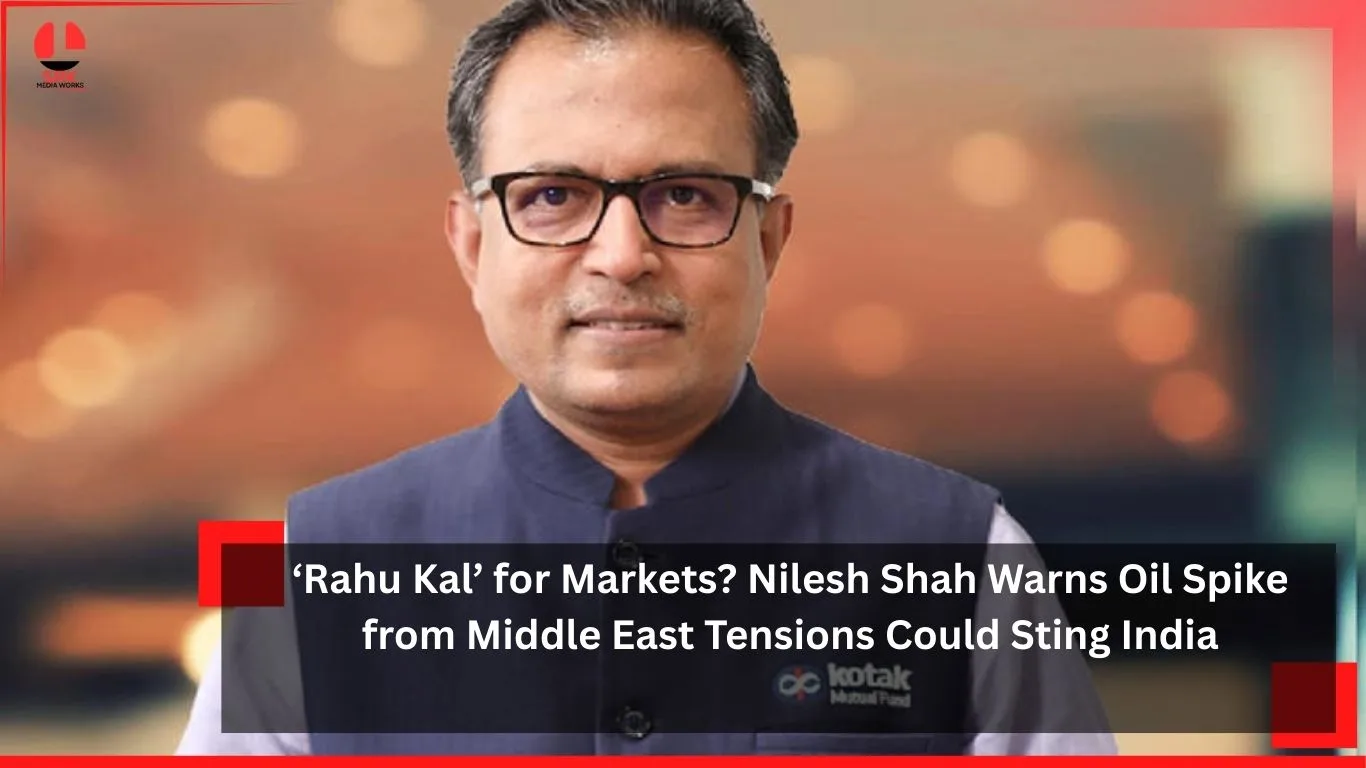






India Inc. is bracing for tighter profitability as CRISIL has warned of a potential 50 basis points (bps) margin squeeze in FY27, driven by rising input costs, global uncertainties, and sector-specific challenges. The report highlights that industries such as airlines, paints, and chemicals are expected to face the steepest impact, while other sectors may experience moderate pressure.
Why Margins Are Under Pressure
1. Rising Crude Oil Prices
- Airlines face higher aviation turbine fuel costs, directly impacting profitability.
- Paints and chemicals, heavily reliant on crude derivatives, are vulnerable to price volatility.
2. Global Geopolitical Risks
- Supply chain disruptions and trade tensions increase raw material costs.
- Export-oriented industries face demand uncertainty.
3. Domestic Inflationary Trends
- Elevated food and energy prices feed into overall inflation.
- Consumer demand may soften, affecting revenue growth.
4. Currency Depreciation
- A weaker rupee increases import costs for raw materials.
- Companies dependent on global supply chains face higher expenses.
Sectoral Impact Analysis
| Sector | FY26 Margin (%) | FY27 Projected Margin (%) | Margin Squeeze (bps) | Key Notes |
|---|---|---|---|---|
| Airlines | 9.5 | 8.8 | -70 | Fuel cost surge |
| Paints | 14.2 | 13.6 | -60 | Crude-linked inputs |
| Chemicals | 12.0 | 11.5 | -50 | Raw material volatility |
| FMCG | 18.5 | 18.2 | -30 | Logistics cost rise |
| IT Services | 23.0 | 22.8 | -20 | Limited exposure |
Comparative Global Context
| Country | Corporate Margin Outlook FY27 | Key Drivers |
|---|---|---|
| India | -50 bps | Crude, inflation, currency |
| USA | -20 bps | Wage pressures |
| China | -30 bps | Supply chain adjustments |
| Eurozone | -25 bps | Energy transition costs |
| Japan | -15 bps | Stable domestic demand |
India’s margin squeeze is sharper compared to global peers, reflecting its higher dependency on imported crude and raw materials.
CRISIL’s Analytical Pivot
| Fiscal Year | Average Margin (%) | Key Influences |
|---|---|---|
| FY24 | 16.5 | Post-pandemic recovery |
| FY25 | 16.2 | Inflationary pressures |
| FY26 | 16.0 | Rising input costs |
| FY27 | 15.5 | Crude volatility, global risks |
This pivot shows a gradual decline in margins, with FY27 expected to see the sharpest squeeze.
Investor Sentiment
Analysts suggest that while India Inc.’s revenue growth remains resilient, margin pressures could weigh on earnings. Sectors with high crude dependency are expected to underperform, while IT services and financials may remain relatively insulated.
Policy Measures to Cushion Impact
- Strategic Oil Reserves: To stabilize supply during global disruptions.
- Renewable Energy Push: Reduce dependency on imported crude.
- Fiscal Support: Relief measures for industries most affected.
- Currency Stabilization: RBI interventions to manage volatility.
Long-Term Outlook
Despite short-term margin pressures, India Inc. retains strong fundamentals. The push toward renewables, digital transformation, and infrastructure growth is expected to offset some of the challenges. CRISIL emphasizes that while FY27 may see a squeeze, long-term prospects remain intact.
Conclusion
The warning of a 50 bps margin squeeze for India Inc. in FY27 underscores the challenges posed by global uncertainties and rising input costs. Airlines, paints, and chemicals are expected to bear the brunt, while other sectors may see moderate impact. For investors and policymakers, the focus will be on resilience strategies and sectoral diversification to navigate this challenging environment.
Disclaimer
This article is based on economic projections and analytical insights. The figures and interpretations are intended for informational purposes only and should not be considered financial or investment advice. Readers are encouraged to consult professional experts before making economic or financial decisions.