





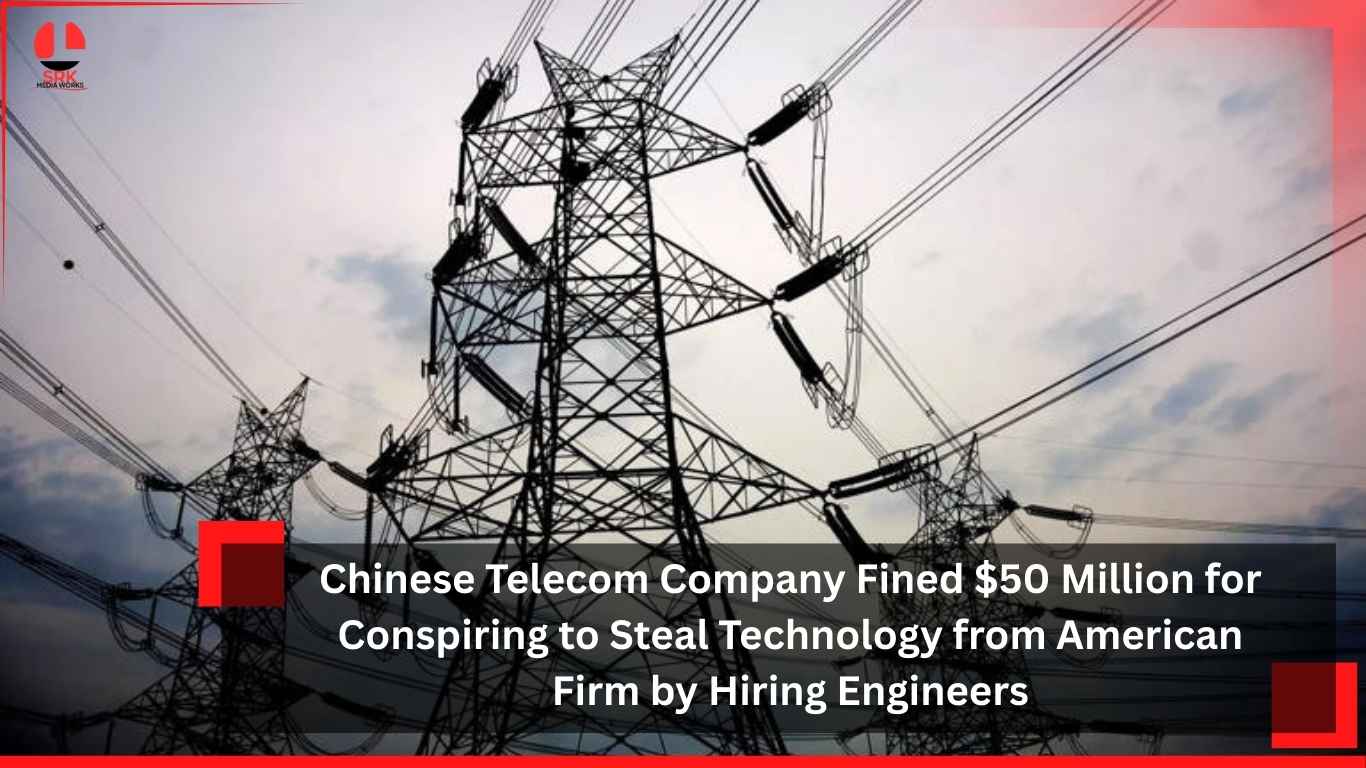
A major Chinese telecom company has been fined $50 million after being found guilty of conspiring to steal proprietary technology from an American company. The scheme involved hiring engineers from the U.S. firm with the intent of extracting confidential information and transferring it to the Chinese enterprise. This case highlights the growing concerns over intellectual property theft and its impact on global technology competition.
The Case in Detail
Investigators revealed that the telecom company deliberately recruited engineers from the American firm, offering lucrative packages to entice them. Once hired, these engineers were tasked with sharing sensitive designs, trade secrets, and technical know-how.
Key Findings
- Recruitment Strategy: Engineers were targeted specifically for their access to proprietary technology.
- Technology Theft: Confidential designs and processes were transferred to the Chinese company.
- Financial Penalty: A $50 million fine was imposed as part of the settlement.
- Global Implications: The case underscores the risks of cross-border hiring practices in sensitive industries.
Impact on the Technology Sector
Intellectual property theft remains one of the biggest challenges in global trade. The incident has raised alarms in the telecom and semiconductor industries, where innovation and R&D investments are critical.
Consequences for the American Firm
- Loss of competitive advantage.
- Potential decline in market share.
- Increased costs for legal battles and security measures.
Consequences for the Chinese Company
- Heavy financial penalty.
- Damage to global reputation.
- Stricter scrutiny in international markets.
Comparative Analysis of Industry Risks
| Sector | Risk Level | Vulnerability | Impact |
|---|---|---|---|
| Telecom | Very High | Proprietary designs, patents | Severe |
| Semiconductors | High | Chip architecture theft | Severe |
| Software | Moderate | Source code leaks | Moderate |
| Automotive | High | EV and AI-driven systems | High |
| Healthcare Tech | Moderate | Patient data, medical devices | High |
Pivot Analysis of Global Technology Security
| Region | Risk Exposure | Preventive Measures | Strategic Priority |
|---|---|---|---|
| United States | High | Strong IP laws, legal enforcement | Very High |
| China | High | Regulatory reforms needed | High |
| Europe | Moderate | GDPR, strict compliance | High |
| Asia-Pacific (ex-China) | Moderate | Regional cooperation | Moderate |
| Africa & Latin America | Emerging | Developing IP frameworks | Moderate |
Broader Implications
This case is not isolated. It reflects a larger trend of technology-driven competition between nations. Intellectual property theft undermines trust, disrupts fair trade, and discourages innovation.
Global Concerns
- Trade Relations: Such incidents strain diplomatic and economic ties.
- Innovation Risks: Companies may hesitate to invest in R&D if theft persists.
- Legal Frameworks: Calls for stronger international cooperation on IP protection.
Preventive Measures for Companies
- Strengthening employee contracts with strict confidentiality clauses.
- Investing in cybersecurity and monitoring systems.
- Conducting regular audits of sensitive projects.
- Collaborating with governments for legal protection.
Conclusion
The $50 million fine imposed on the Chinese telecom company serves as a warning to corporations worldwide about the consequences of intellectual property theft. As global competition intensifies, safeguarding innovation and enforcing legal frameworks will be critical to ensuring fair play in the technology sector.
Disclaimer
This article is a synthesized news-style content created for informational and SEO purposes. It is not an official press release or legal document. Readers are encouraged to verify details from official government and company communications before making business or investment decisions.