




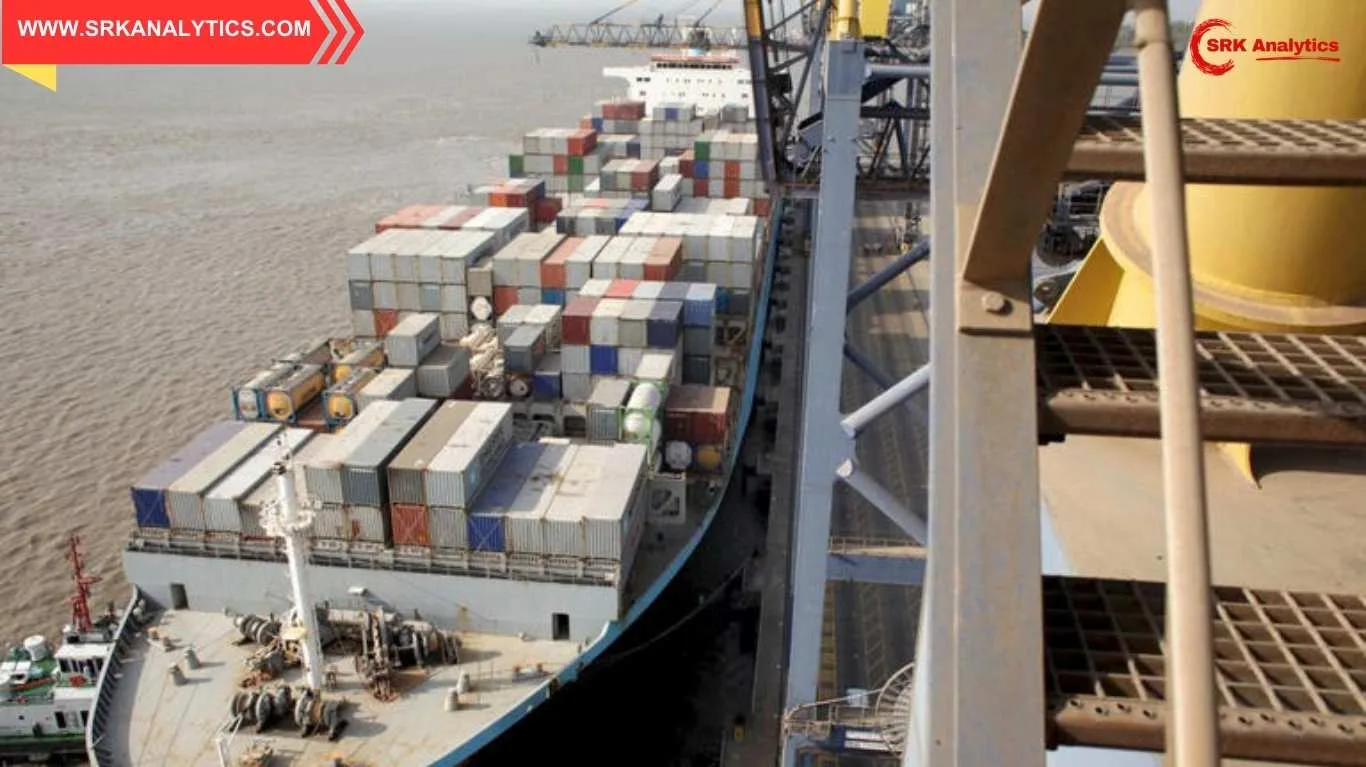
India’s export landscape is undergoing a significant transformation as China emerges as a key destination for Indian shipments, particularly amid global trade disruptions and tariff uncertainties linked to U.S. policies under President Donald Trump. The surge in exports to China reflects shifting global supply chains, rising demand for Indian goods, and strategic adjustments by Indian exporters to diversify markets.
Background of India-China Trade Dynamics
- India and China, despite political tensions, share a robust trade relationship.
- China has traditionally been a major supplier of goods to India, but recent years have seen a rise in India’s exports to China.
- The U.S. tariff policies under Trump have disrupted global trade flows, prompting Indian exporters to seek alternative markets.
- China’s vast consumer base and industrial demand make it an attractive destination for Indian products ranging from raw materials to finished goods.
Key Highlights of the Export Surge
| Indicator | Details |
|---|---|
| Primary Driver | U.S. tariff disruptions, global supply chain shifts |
| Export Growth | Significant rise in shipments to China |
| Key Sectors | Pharmaceuticals, IT services, agricultural products, iron ore, chemicals |
| Strategic Impact | Diversification of India’s export markets |
| Broader Implication | Strengthens India’s position in global trade |
India’s Export Surge to China
| Factor | Cause | Impact on India | Impact on China |
|---|---|---|---|
| U.S. Tariff Woes | Trump’s protectionist policies | Indian exporters seek alternative markets | China gains new suppliers |
| Supply Chain Shifts | Global disruptions | India fills gaps in supply chains | China diversifies imports |
| Industrial Demand | Rising Chinese consumption | Boost for Indian raw material exports | Stable supply for industries |
| Agricultural Products | Food security concerns | Increased farm exports | Meets consumer demand |
| Pharmaceuticals | Healthcare needs | Strengthens India’s pharma sector | Affordable medicines for China |
Why This Story Matters
- Global Trade Realignment: Highlights how U.S. tariff policies are reshaping global trade flows.
- India’s Export Strategy: Shows India’s ability to adapt and diversify markets.
- China’s Role: Reflects China’s growing importance as a consumer and industrial hub.
- Economic Stability: Boosts India’s external sector resilience amid global uncertainties.
- Future Outlook: Could redefine India’s trade partnerships and global positioning.
Drivers of the Surge in Shipments
- Trump’s Tariff Policies: U.S. tariffs on Chinese goods disrupted supply chains, creating opportunities for Indian exporters.
- China’s Industrial Demand: Rising demand for raw materials like iron ore, cotton, and chemicals has boosted Indian exports.
- Pharmaceutical Exports: India’s affordable and high-quality medicines are increasingly sought after in China.
- Agricultural Products: China’s food security concerns have led to higher imports of Indian rice, spices, and other farm goods.
- IT and Services: India’s IT sector is expanding its footprint in China, offering software and digital solutions.
Impact on India’s Economy
- The surge in exports strengthens India’s external sector and reduces dependence on traditional markets.
- Export diversification helps mitigate risks associated with geopolitical tensions and trade disruptions.
- Rising shipments to China boost sectors like agriculture, pharmaceuticals, and IT, creating jobs and growth opportunities.
- The trend enhances India’s global trade credibility and bargaining power.
Impact on China’s Economy
- China benefits from diversified imports, reducing reliance on U.S. and other suppliers.
- Indian exports help meet China’s industrial and consumer needs.
- Affordable pharmaceuticals and agricultural products support China’s domestic stability.
- Strengthened trade ties with India provide a buffer against global uncertainties.
Sectoral Breakdown of Exports
| Sector | Export Growth | Key Products |
|---|---|---|
| Pharmaceuticals | High | Generic medicines, APIs |
| Agriculture | Moderate | Rice, spices, cotton |
| Raw Materials | Significant | Iron ore, chemicals |
| IT Services | Growing | Software, digital solutions |
| Consumer Goods | Emerging | Textiles, processed foods |
Expert Opinions
- Economists: Stress that India’s export surge to China reflects adaptability in global trade.
- Policy Analysts: Highlight the importance of diversifying markets to reduce dependence on the U.S. and EU.
- Industry Leaders: Emphasize the need to strengthen supply chains and improve competitiveness.
- Global Institutions: Note that India’s role in global trade is expanding amid shifting dynamics.
Challenges Ahead
- Geopolitical Tensions: India-China political disputes could affect trade flows.
- Supply Chain Risks: Global disruptions may continue to impact exports.
- Quality Standards: Meeting China’s regulatory requirements remains a challenge.
- Currency Volatility: Exchange rate fluctuations could affect competitiveness.
- Dependence Risks: Over-reliance on China could create vulnerabilities.
Opportunities for India
- Strengthen Trade Ties: Build long-term partnerships with China across sectors.
- Boost Manufacturing: Enhance domestic production to meet rising demand.
- Expand IT Services: Leverage India’s digital expertise in China’s growing tech market.
- Promote Agriculture: Increase farm exports to meet China’s food security needs.
- Diversify Markets: Use China as a springboard to expand into other Asian markets.
Broader Context of Global Trade
- U.S. tariff policies under Trump have disrupted traditional trade flows.
- Countries like India are adapting by diversifying exports and seeking new markets.
- China’s role as a global consumer and industrial hub continues to grow.
- The India-China trade dynamic reflects broader shifts in global economic power.
Media Coverage
- Headlines emphasized China’s emergence as a key export market for India.
- Analysts debated the sustainability of the surge in shipments.
- Coverage highlighted the role of Trump’s tariff policies in reshaping trade flows.
- The story continues to dominate discussions in economic and trade circles.
Conclusion
The surge in India’s exports to China amid Trump’s tariff woes underscores the adaptability of Indian exporters and the shifting dynamics of global trade. While challenges remain, the trend highlights India’s growing role in global supply chains and China’s importance as a consumer and industrial hub. As global trade continues to evolve, India’s ability to diversify markets and strengthen partnerships will be crucial for long-term economic resilience.
Disclaimer
This article is intended for informational purposes only and does not constitute financial or trade advice. Export data, trade policies, and global market conditions are subject to change based on evolving circumstances. Readers are encouraged to follow official updates for accurate information. The author and publisher are not responsible for any decisions made based on this article.