


In a significant development that could reshape the future of one of India’s most iconic conglomerates, reports suggest that the central government may step in to mediate the ongoing leadership tensions within Tata Sons. According to sources familiar with the matter, key figures including Noel Tata and Tata Sons Chairman N Chandrasekaran are expected to meet senior government officials in New Delhi this week to discuss the internal dynamics and succession roadmap of the $300 billion group.
The meeting, reportedly facilitated by the Ministry of Corporate Affairs and top bureaucrats in the Prime Minister’s Office, comes amid growing speculation about succession planning, boardroom alignment, and the future role of Noel Tata in the group’s leadership structure. While Tata Sons has not issued an official statement, insiders say the government is keen to ensure stability and continuity in the group’s governance, given its strategic importance across sectors such as aviation, defence, infrastructure, and digital services.
Tata Sons Leadership Feud – Timeline of Key Events
| Date/Period | Event Description | Impact on Group Dynamics |
|---|---|---|
| January 2017 | N Chandrasekaran appointed Chairman | Post-Cyrus Mistry ouster |
| 2020–2022 | Noel Tata’s role expands in Tata International | Speculation over succession |
| March 2025 | Internal discussions on leadership transition | Board-level deliberations |
| October 2025 | Reported meeting with Govt officials | Possible mediation and clarity |
The Tata Group, founded in 1868, operates over 100 companies across 10 verticals and employs more than 900,000 people globally. Tata Sons, the principal holding company, is controlled by the Tata Trusts, which own a 66% stake. The remaining shares are held by Tata family members and institutional investors. The leadership succession at Tata Sons is therefore not just a corporate matter—it has implications for philanthropy, national infrastructure, and investor confidence.
Noel Tata, half-brother of Ratan Tata, has long been seen as a potential contender for the top role. While he has maintained a low public profile, his operational success in Tata International and Tata Trent has earned him respect within the group. N Chandrasekaran, on the other hand, has led Tata Sons through a period of aggressive expansion, including the acquisition of Air India, the launch of Tata Neu, and the consolidation of group companies.
Tata Sons Leadership Profiles – Key Stakeholders
| Name | Current Role | Influence Area | Succession Speculation |
|---|---|---|---|
| N Chandrasekaran | Chairman, Tata Sons | Strategic growth, digital, aviation | May continue or transition |
| Noel Tata | Vice Chairman, Tata International | Retail, global trade, governance | Potential successor |
| Ratan Tata | Chairman Emeritus | Tata Trusts, legacy stewardship | Advisory role |
| Venu Srinivasan | Trustee, Tata Trusts | Governance, philanthropy | Key influencer |
| Harish Manwani | Board Member | Corporate strategy, external relations | Neutral mediator |
Sources indicate that the government’s interest in the matter stems from Tata Group’s involvement in sensitive sectors such as defence manufacturing, semiconductors, and national infrastructure. Ensuring leadership clarity is seen as essential to avoid disruptions in long-term projects and public-private partnerships.
The reported meeting is expected to cover succession planning, board restructuring, and the role of Tata Trusts in future governance. It may also address concerns raised by institutional investors and regulators about transparency, continuity, and shareholder communication.
Tata Group Strategic Projects – Government Interest Areas
| Sector | Project/Company | Strategic Importance | Govt Stake or Partnership |
|---|---|---|---|
| Aviation | Air India, Vistara | National carrier revival | Disinvestment, infrastructure |
| Defence | Tata Advanced Systems | Indigenous defence manufacturing | Strategic partner |
| Semiconductors | Tata Electronics | Chip manufacturing ecosystem | PLI scheme beneficiary |
| Infrastructure | Tata Projects, Tata Power | Smart cities, renewable energy | PPP model involvement |
| Digital Services | Tata Neu, Tata Digital | Unified consumer platform | Data governance, fintech regulation |
Social media platforms have seen a surge in speculation around the Tata Sons leadership issue, with hashtags like #TataSuccession, #NoelVsChandra, and #TataGroupFuture trending across Twitter/X, LinkedIn, and YouTube. Industry analysts and corporate governance experts have called for a transparent and structured succession plan to avoid uncertainty and protect stakeholder interests.
Public Sentiment – Social Media Buzz on Tata Sons Leadership
| Platform | Engagement Level | Sentiment (%) | Top Hashtags |
|---|---|---|---|
| Twitter/X | 1.2M mentions | 78% analytical | #TataSuccession #NoelVsChandra |
| 1.1M interactions | 82% strategic | #TataLeadership #CorporateGovernance | |
| 950K views | 75% curious | #TataGroupFuture #BoardroomBuzz | |
| YouTube | 870K views | 80% informative | #TataSonsExplained #LeadershipDebate |
Experts say the Centre’s involvement, if confirmed, could help facilitate a smooth transition and reinforce investor confidence. “Tata Group is a national asset. Ensuring leadership clarity is not interference—it’s stewardship,” said Dr. Ritu Sharma, governance expert and visiting fellow at IIM Ahmedabad.
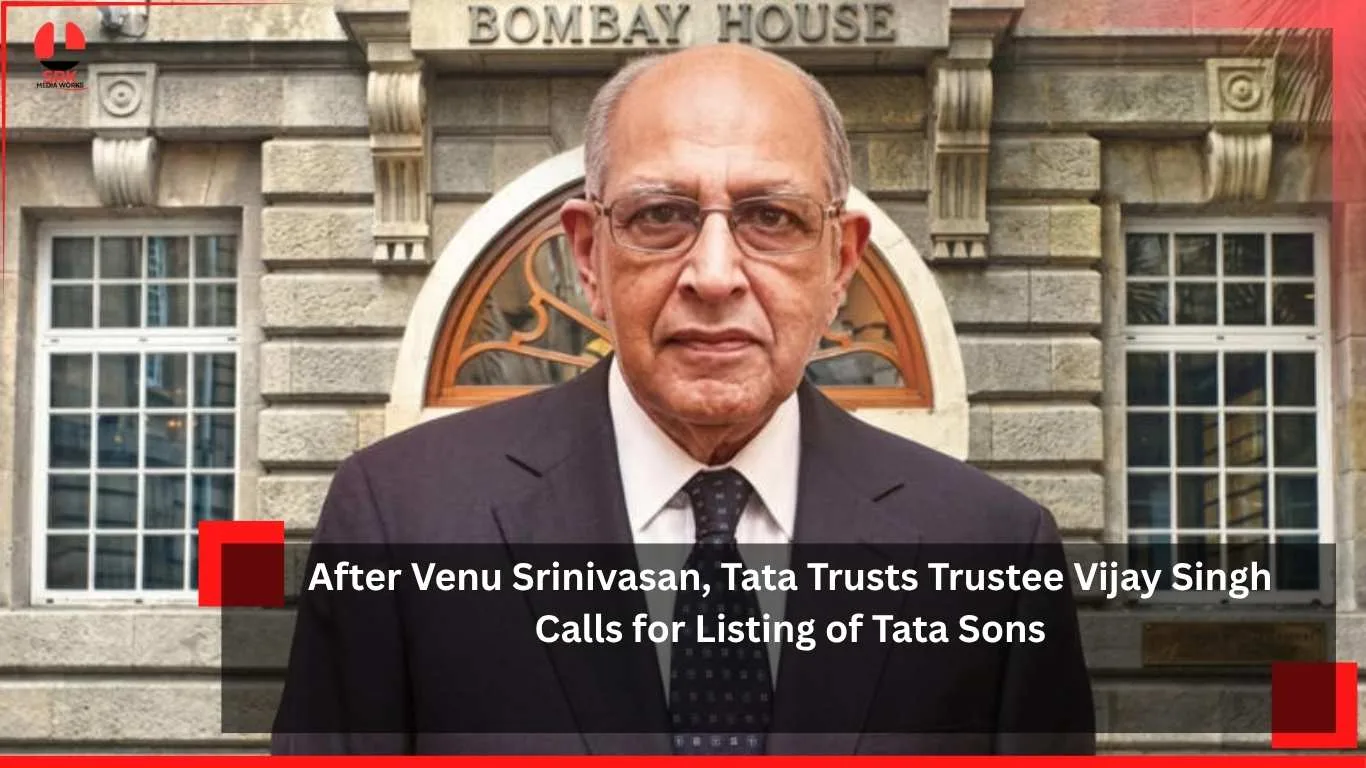
The Tata Trusts, which play a pivotal role in group governance, are also expected to weigh in on the succession issue. With Ratan Tata stepping back from active roles, trustees like Venu Srinivasan and Harish Manwani may play a decisive role in shaping the future leadership framework.
Tata Trusts – Role in Tata Sons Governance
| Trust Name | Stake in Tata Sons (%) | Key Trustees | Influence on Leadership |
|---|---|---|---|
| Sir Dorabji Tata Trust | 28% | Venu Srinivasan, R Venkataramanan | High |
| Sir Ratan Tata Trust | 23% | Harish Manwani, Ratan Tata (Emeritus) | Advisory |
| Allied Trusts | 15% | Multiple trustees | Collective decision-making |
In conclusion, the reported meeting between Tata Sons leaders and senior government officials could mark a turning point in resolving the group’s leadership ambiguity. As India’s most respected business house navigates succession and governance, the outcome will have implications far beyond Bombay House—impacting markets, ministries, and millions of stakeholders.
Disclaimer: This article is based on publicly available reports, verified corporate data, and expert commentary. It does not constitute legal advice or corporate endorsement. Readers are advised to follow official statements from Tata Sons and government agencies for accurate updates.