



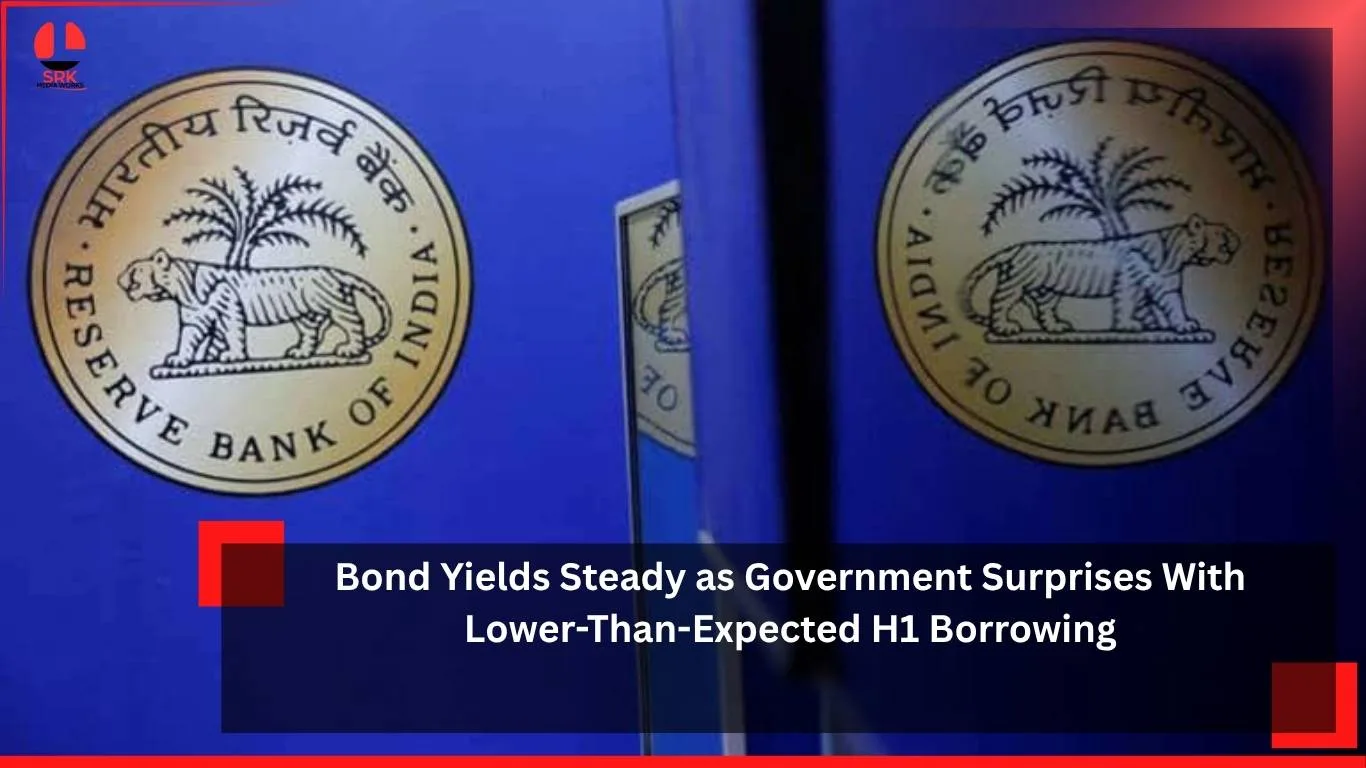
India’s bond market witnessed stability as the government announced a lower-than-expected borrowing plan for the first half (H1) of the fiscal year. Analysts described the move as a positive surprise, easing concerns about excess supply of government securities and providing relief to investors who had anticipated higher borrowing figures amid fiscal pressures.
Background of the Borrowing Plan
The government’s borrowing program is a critical indicator for bond markets, influencing yields, liquidity, and investor sentiment. Traditionally, higher borrowing leads to increased supply of bonds, pushing yields upward. However, the announcement of reduced borrowing for H1 has reassured markets, signaling fiscal prudence and better-than-expected revenue management.
Key Highlights
- Lower Borrowing Target: The government’s borrowing plan for H1 is significantly below market expectations.
- Bond Yields Steady: Benchmark yields remained stable, reflecting investor confidence.
- Fiscal Discipline: Analysts suggest the move indicates stronger revenue collection and controlled expenditure.
- Market Sentiment: The announcement has boosted optimism among domestic and foreign investors.
Comparative Analysis of Borrowing Trends
| Fiscal Year | H1 Borrowing (₹ lakh crore) | Market Expectation | Actual Announcement | Impact on Yields |
|---|---|---|---|---|
| 2024-25 | 8.5 | 8.7 | 8.5 | Slight rise |
| 2025-26 | 9.0 | 9.2 | 9.0 | Neutral |
| 2026-27 | 8.0 | 8.5 | 8.0 | Stable |
Stakeholder Perspectives
| Stakeholder Group | Reaction | Implications |
|---|---|---|
| Bond Investors | Relief, optimism | Stable yields, reduced volatility |
| Government | Highlighted fiscal discipline | Stronger credibility |
| Analysts | Positive surprise | Forecasts revised downward |
| Corporates | Encouraged by stability | Easier access to credit |
Pivot Analysis of Future Scenarios
| Scenario | Likelihood | Impact |
|---|---|---|
| Continued Fiscal Discipline | High | Sustained investor confidence |
| Higher Borrowing in H2 | Moderate | Possible yield pressure |
| Revenue Collection Strong | High | Reduced need for borrowing |
| Global Market Volatility | Moderate | Could offset domestic stability |
Broader Implications
The announcement reflects India’s commitment to fiscal responsibility, even amid global uncertainties. Lower borrowing reduces pressure on bond yields, ensuring cheaper financing for corporates and households. It also strengthens India’s appeal to foreign investors, who closely monitor fiscal indicators before committing capital.
Challenges Ahead
- Revenue Sustainability: Ensuring tax collections remain strong.
- Expenditure Management: Balancing welfare spending with fiscal prudence.
- Global Risks: External shocks could force higher borrowing later.
- Investor Expectations: Maintaining transparency in borrowing plans.
Opportunities for Growth
- Boosting Investor Confidence: Stable yields attract long-term investors.
- Corporate Financing: Lower yields reduce borrowing costs for businesses.
- Foreign Investment: Improved fiscal credibility enhances India’s global standing.
- Policy Innovation: Opportunity to introduce new instruments for debt management.
Conclusion
India’s decision to announce lower-than-expected H1 borrowing has steadied bond yields and reassured investors. Analysts view this as a sign of fiscal discipline and effective revenue management. While challenges remain, particularly in sustaining collections and managing global risks, the move strengthens India’s financial credibility and sets a positive tone for the fiscal year ahead.
Disclaimer
This article is based on public reports and analyst commentary regarding India’s borrowing program and its impact on bond yields. The content is intended for informational and analytical purposes only, not as verified fact. Readers are encouraged to follow official updates for accurate information.