



Reliance Industries Limited (RIL), India’s largest private sector company, has strongly denied reports suggesting that vessels carrying Russian crude oil were headed to its Jamnagar refinery in Gujarat. The company described the claims as “blatantly untrue,” emphasizing that its crude sourcing strategy remains transparent, compliant with international regulations, and aligned with India’s energy security requirements.
Background of the Controversy
- Reports surfaced alleging that Russian crude shipments were being directed toward Reliance’s Jamnagar refinery.
- The speculation gained traction amid global scrutiny of Russian oil exports following sanctions imposed by Western nations.
- Reliance Industries, however, categorically rejected the claims, stating that its crude procurement follows established commercial practices.
- The denial comes at a time when India’s energy imports are under global observation, with the country balancing affordability, availability, and geopolitical considerations.
Key Highlights of Reliance’s Statement
| Indicator | Details |
|---|---|
| Company | Reliance Industries Limited (RIL) |
| Refinery Location | Jamnagar, Gujarat |
| Allegation | Russian crude vessels heading to Jamnagar |
| Company Response | “Blatantly untrue” |
| Broader Impact | Reinforces compliance and transparency in crude sourcing |
Implications of Reliance’s Denial
| Factor | Positive Impact | Challenges | Long-Term Implication |
|---|---|---|---|
| Corporate Reputation | Reinforces trust and transparency | Managing global scrutiny | Strengthens Reliance’s credibility |
| Energy Security | Ensures diversified sourcing | Global volatility in crude prices | Positions India as resilient importer |
| Public Sentiment | Builds confidence in corporate governance | Persistent rumors may affect perception | Shapes narrative of ethical business practices |
| Market Impact | Stabilizes investor confidence | Commodity price fluctuations | Encourages long-term investment stability |
| Geopolitical Context | Aligns with India’s balanced diplomacy | Navigating sanctions and global politics | Reinforces India’s independent energy policy |
Why This Story Matters
- Corporate Governance: Reliance’s denial underscores its commitment to transparency in global energy markets.
- Energy Diplomacy: Highlights India’s delicate balancing act in sourcing crude amid geopolitical tensions.
- Investor Confidence: Reinforces trust in Reliance’s operations and compliance.
- Global Scrutiny: Reflects the heightened monitoring of crude flows in the wake of sanctions.
- Public Narrative: Shapes perceptions of India’s largest corporate entity in the energy sector.
Reliance’s Jamnagar Refinery
| Attribute | Details |
|---|---|
| Location | Jamnagar, Gujarat |
| Capacity | World’s largest refining complex |
| Strategic Importance | Supplies domestic and international markets |
| Role in Energy Security | Diversified crude sourcing |
| Corporate Commitment | Compliance with global regulations |
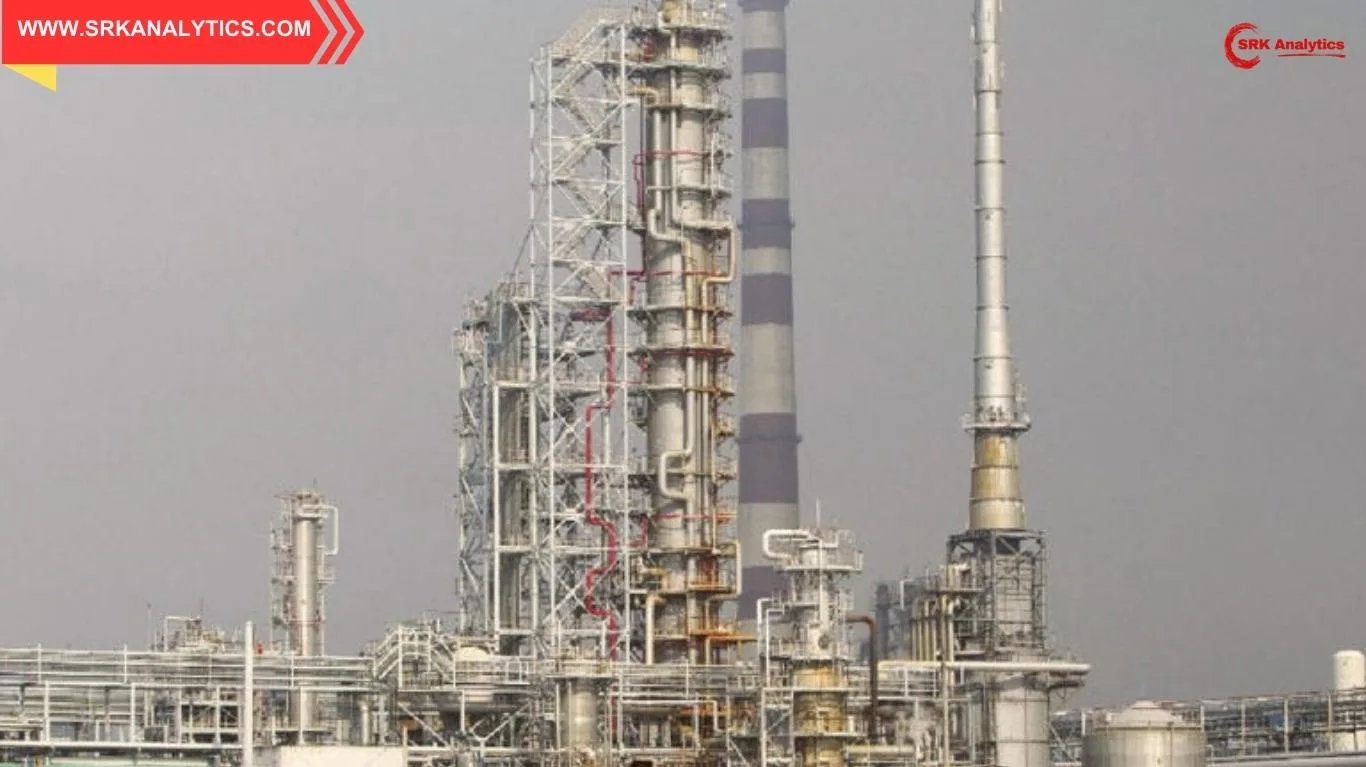
Reliance’s Jamnagar refinery is the largest refining complex in the world, making it a focal point of India’s energy ecosystem. Its scale and strategic importance often place it under global scrutiny.
Expert Opinions
- Energy Analysts: Stress that Reliance’s denial reflects its need to maintain credibility in global markets.
- Economists: Note that India’s crude sourcing strategy is shaped by affordability and availability.
- Corporate Governance Experts: Highlight the importance of transparent communication in managing global narratives.
- Investors: Express confidence in Reliance’s ability to navigate complex geopolitical landscapes.
Challenges Ahead
- Global Volatility: Crude prices remain unpredictable due to geopolitical tensions.
- Persistent Rumors: Managing misinformation in global media.
- Sanctions Compliance: Ensuring adherence to evolving international regulations.
- Public Perception: Addressing concerns about corporate ethics.
- Energy Transition: Balancing fossil fuel imports with renewable energy commitments.
Opportunities for Reliance
- Strengthening Transparency: Reinforce communication strategies to counter misinformation.
- Diversified Sourcing: Continue exploring multiple crude suppliers to ensure resilience.
- Global Partnerships: Build alliances with compliant energy exporters.
- Investor Engagement: Enhance confidence through proactive disclosures.
- Energy Transition Leadership: Position Jamnagar as a hub for both crude and renewable energy.
Broader Context of India’s Energy Imports
- India is the world’s third-largest importer of crude oil.
- The country has diversified its sourcing to balance affordability and geopolitical risks.
- Russian crude exports have been under global scrutiny since sanctions were imposed.
- India’s corporate entities, including Reliance, remain under observation for compliance and transparency.
Public Sentiment
- Citizens expressed confidence in Reliance’s denial, citing its track record of compliance.
- Critics argued that global scrutiny will continue regardless of corporate statements.
- Social media debates highlighted India’s energy diplomacy and corporate governance.
- Overall sentiment reflects cautious optimism about Reliance’s role in India’s energy security.
Media Coverage
- News outlets widely reported Reliance’s strong denial of the allegations.
- Analysts debated the implications for India’s energy imports.
- Coverage emphasized the importance of transparency in corporate communication.
- The story continues to dominate discussions in energy and corporate circles.
Conclusion
The denial by Reliance Industries of claims that Russian crude vessels were heading to Jamnagar underscores the company’s commitment to transparency, compliance, and ethical business practices. As India navigates complex global energy dynamics, Reliance’s role remains pivotal in ensuring energy security and investor confidence. While challenges such as global volatility and persistent rumors remain, the company’s proactive communication and diversified sourcing strategies reinforce its credibility in global markets.
Disclaimer
This article is intended for informational purposes only and does not constitute official corporate or investment advice. Company statements, government policies, and public sentiments are subject to change based on evolving circumstances. Readers are encouraged to follow official updates for accurate information. The author and publisher are not responsible for any decisions made based on this article.