

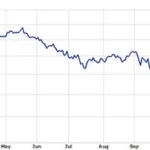



BJ’s Wholesale Club reported a significant increase in fiscal first-quarter revenue, driven by a steady influx of inflation-weary consumers seeking value across its warehouse locations. The retailer saw membership numbers climb throughout the period, signaling that shoppers are increasingly prioritizing bulk purchasing and discounted goods as they navigate ongoing economic pressures.
The Shift Toward Value-Driven Shopping
As inflationary pressures continue to impact household budgets, consumers are fundamentally shifting their shopping behaviors. Warehouse clubs like BJ’s offer a strategic advantage by providing lower per-unit costs on essentials ranging from groceries to household supplies.
Data from the Bureau of Labor Statistics indicates that consumer spending remains resilient, though it is increasingly directed toward discount retailers. BJ’s performance mirrors this broader retail trend, where traditional department stores often lose ground to membership-based business models that promise long-term savings.
Membership Growth as a Financial Catalyst
The core of BJ’s recent financial performance lies in its robust membership growth. By locking in recurring revenue through annual fees, the company creates a loyal customer base that visits more frequently than the average retail shopper.
Retail analysts note that membership retention rates have remained high, suggesting that consumers view their subscription as a vital tool for cost management. This steady stream of membership income provides a financial cushion that allows the warehouse chain to maintain competitive pricing on high-volume items.
Operational Efficiency and Strategic Expansion
Beyond membership gains, BJ’s has focused on optimizing its supply chain to manage the rising costs of goods. By streamlining logistics and enhancing its private-label offerings, the company has managed to keep prices attractive while protecting its profit margins.
Industry experts emphasize that the warehouse model thrives during periods of economic volatility. When discretionary income tightens, the value proposition of bulk purchasing becomes a primary driver for households looking to stretch their dollars further.
Future Outlook and Market Dynamics
Looking ahead, the retail sector will likely continue to monitor BJ’s ability to sustain this momentum as inflationary cycles evolve. Sustained membership growth will remain the primary metric for investors, as it serves as a leading indicator of brand loyalty and future sales potential.
Market observers will be watching to see if the company expands its footprint into new regions to capture untapped demand. Additionally, the integration of digital shopping tools and curbside pickup options will likely play a pivotal role in how the retailer maintains its competitive edge against other major warehouse incumbents throughout the remainder of the fiscal year.