



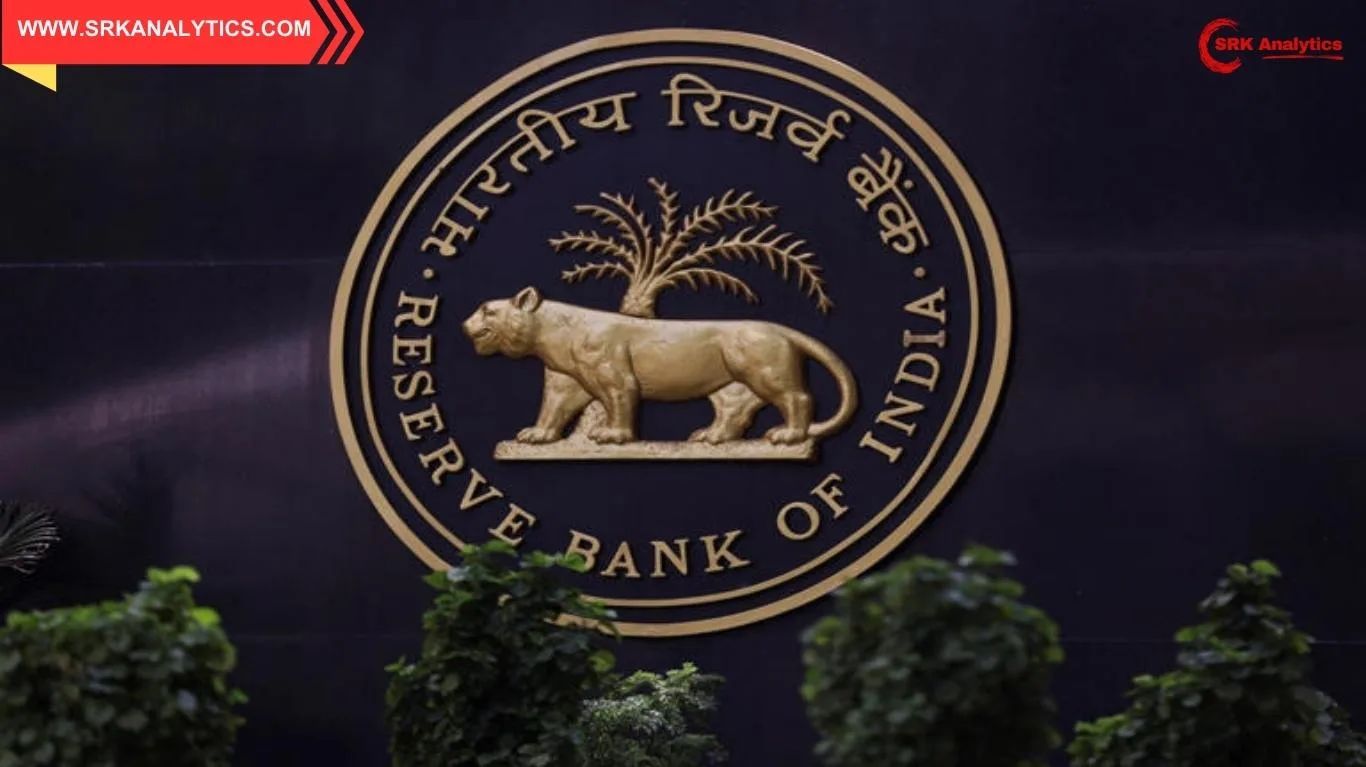
India’s banking sector is poised to play a pivotal role in driving domestic mergers and acquisitions (M&A) after the Reserve Bank of India (RBI) eased financing norms. The regulatory shift is expected to unlock new opportunities for consolidation across industries, enabling banks to provide greater support for corporate restructuring and expansion.
Key Highlights
- RBI Norms Relaxed: Banks now have more flexibility in financing M&A deals.
- Domestic Consolidation: Indian corporates expected to pursue aggressive consolidation strategies.
- Banking Sector Role: Lenders positioned as key facilitators of M&A activity.
- Investor Sentiment: Positive outlook as financing availability improves.
- Future Outlook: Surge in deal-making anticipated across sectors like infrastructure, telecom, and financial services.
Why RBI’s Move Matters
- Liquidity Utilization: Banks can deploy surplus liquidity into structured financing for M&A.
- Corporate Growth: Easier access to funds encourages companies to pursue acquisitions.
- Market Stability: Regulatory clarity boosts confidence among corporates and investors.
- Sectoral Impact: Infrastructure, real estate, and telecom expected to benefit most.
Comparative Analysis: M&A Financing Before vs After RBI Norms
| Aspect | Before RBI Easing | After RBI Easing | Impact |
|---|---|---|---|
| Financing Flexibility | Limited, restrictive | Expanded, more options | Boosts deal-making |
| Bank Participation | Conservative | Aggressive, supportive | Higher involvement |
| Corporate Strategy | Cautious | Expansion-oriented | Encourages consolidation |
| Investor Sentiment | Neutral | Positive | Market confidence rises |
This comparison highlights how the RBI’s easing of financing norms transforms the landscape, making banks central to M&A activity.
Pivot Analysis: Stakeholder Perspectives
| Stakeholder | Position on RBI Norms | Impact |
|---|---|---|
| Banks | Positive, proactive | Greater role in M&A financing |
| Corporates | Opportunistic | Easier access to funds for acquisitions |
| Investors | Optimistic | Anticipate surge in deal activity |
| Regulators | Balanced | Ensure compliance while enabling growth |
| Analysts | Supportive | Highlight potential for sectoral consolidation |
The pivot analysis shows how stakeholders view the RBI’s move as a catalyst for growth, with banks and corporates particularly enthusiastic.
Benefits of RBI’s Easing
- Boosts Deal Activity: Encourages corporates to pursue acquisitions.
- Strengthens Banking Role: Positions banks as key facilitators of growth.
- Investor Confidence: Enhances trust in India’s financial ecosystem.
- Economic Growth: Consolidation drives efficiency and competitiveness.
Challenges Ahead
- Risk Management: Banks must balance aggressive financing with prudent risk controls.
- Regulatory Oversight: RBI will monitor compliance closely.
- Market Volatility: Global uncertainties could impact deal-making.
- Execution Risks: Successful integration of acquisitions critical for long-term success.
Broader Context
- Indian Economy: Strong growth outlook supports M&A activity.
- Global Trends: Similar regulatory easing seen in other emerging markets.
- Sectoral Opportunities: Infrastructure, telecom, and financial services expected to lead.
- Future Outlook: Surge in domestic M&A deals likely in 2026 and beyond.
Conclusion
The RBI’s decision to ease financing norms has positioned banks as central drivers of domestic M&A activity. With greater flexibility in funding acquisitions, corporates are expected to pursue aggressive consolidation strategies, boosting investor confidence and strengthening India’s economic growth trajectory. Analysts remain positive, highlighting the transformative role of banks in shaping the next wave of deal-making across industries.
Disclaimer
This article is intended for informational purposes only. It provides an overview of RBI’s easing of financing norms and its implications for banks and domestic M&A activity. It does not constitute financial, investment, or legal advice. Readers should consult professional advisors before making investment decisions.