




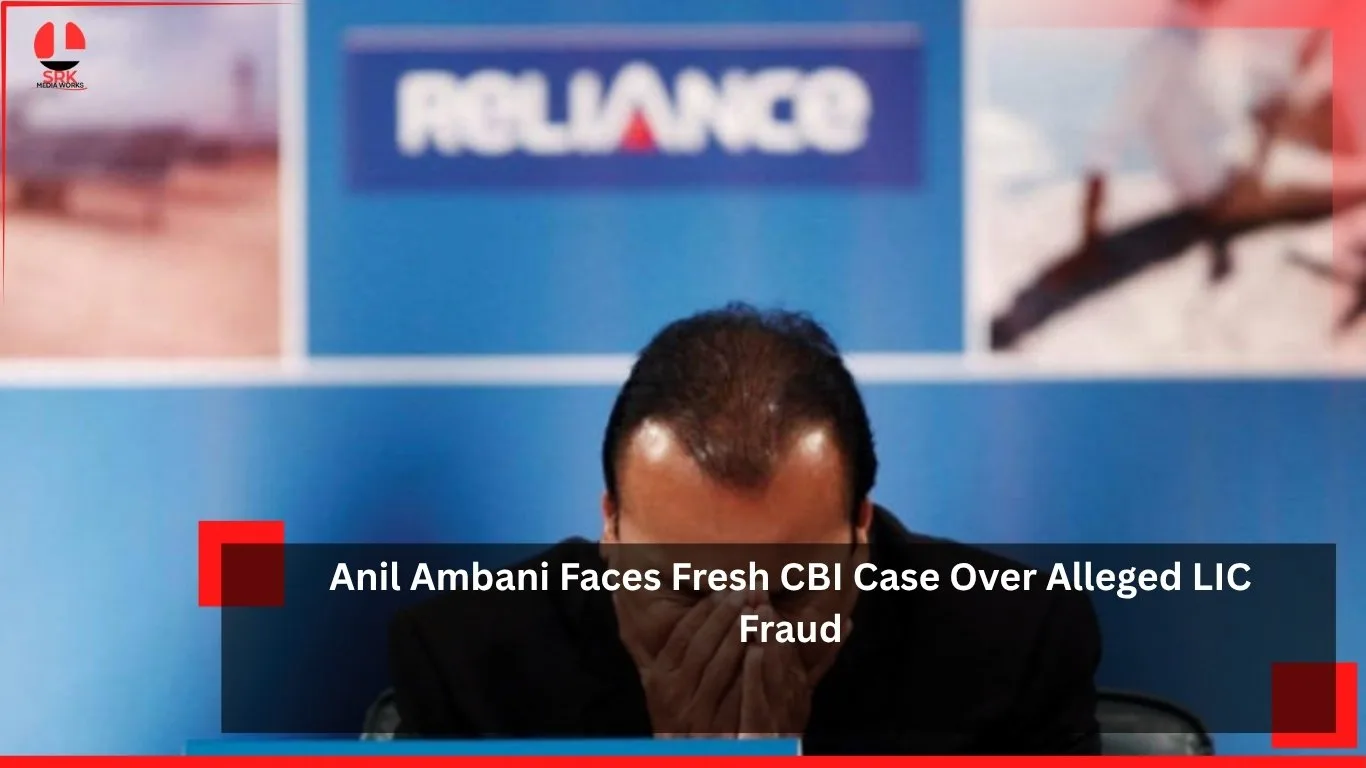
The Central Bureau of Investigation (CBI) has registered a new case against Anil Ambani and Reliance Communications (RCOM) for allegedly defrauding the Life Insurance Corporation of India (LIC) of over ₹3,750–₹4,500 crore through non-convertible debentures (NCDs). The case involves charges of conspiracy, cheating, misappropriation, and breach of trust.
Background of the Case
Between 2009 and 2017, LIC invested thousands of crores in secured NCDs issued by Reliance Communications. According to the complaint, funds were allegedly diverted, dues remained unpaid, and financial misrepresentations were made to induce LIC into subscribing to these instruments.
- Amount involved: ₹3,750–₹4,500 crore
- Period: 2009–2017
- Entities named: Reliance Communications, Anil Ambani (then non-executive chairman), and unknown public servants
- Charges: Criminal conspiracy, cheating, breach of trust, misappropriation, and violations under the Prevention of Corruption Act
Timeline of Events
| Year | Event Description |
|---|---|
| 2009–2012 | LIC invests in RCOM’s NCDs worth ₹4,500 crore |
| 2017 | RCOM defaults on payments, raising red flags |
| 2018–2025 | Forensic audits highlight fund diversion and irregularities |
| April 2026 | CBI registers fresh case against Anil Ambani and RCOM |
Allegations in Detail
- Fraudulent Inducement: LIC claims it was misled into subscribing to NCDs based on false financial representations.
- Fund Diversion: Money raised through debentures allegedly diverted to other purposes.
- Overstatement of Security: Assets pledged as collateral were allegedly overstated in value.
- Unpaid Dues: Major repayments to LIC remain unsettled.
Impact on LIC
The alleged fraud has significant implications for LIC, India’s largest insurer:
- Financial Loss: Estimated wrongful loss of ₹3,750–₹4,500 crore.
- Investor Confidence: Questions raised about LIC’s risk management and due diligence.
- Regulatory Oversight: Calls for stronger monitoring of institutional investments.
Comparative Analysis of Cases Against RCOM
| Case Number | Year Filed | Amount Involved | Status |
|---|---|---|---|
| Case 1 | 2018 | ₹1,200 crore | Pending investigation |
| Case 2 | 2020 | ₹2,000 crore | Under trial |
| Case 3 | 2023 | ₹3,000 crore | Ongoing |
| Case 4 | 2026 | ₹3,750–₹4,500 crore | Freshly registered |
This marks the fourth major case against Reliance Communications and Anil Ambani in connection with alleged financial irregularities. The Hindu BusinessLine Moneylife
Implications for Anil Ambani
- Legal Challenges: Multiple cases increase legal pressure on Ambani and his group companies.
- Reputation Damage: Allegations further erode credibility in financial markets.
- Business Impact: Reliance Group’s ability to raise funds may be severely restricted.
Broader Corporate Governance Concerns
This case highlights systemic issues in India’s corporate governance:
- Transparency in Debt Instruments: Need for stricter disclosure norms.
- Institutional Vigilance: Large investors like LIC must strengthen due diligence.
- Regulatory Action: SEBI and RBI may tighten rules around corporate bond issuance.
Possible Outcomes
- Conviction: Could result in penalties, bans, or imprisonment for those found guilty.
- Settlement: LIC may recover part of the dues through legal or negotiated settlements.
- Systemic Reforms: Case may trigger reforms in corporate bond markets and institutional investment practices.
Conclusion
The fresh CBI case against Anil Ambani underscores the growing scrutiny of corporate fraud in India. With allegations of misappropriation and fund diversion involving thousands of crores, the case is likely to have far-reaching consequences for Reliance Communications, LIC, and India’s financial ecosystem. The outcome will be closely watched as it could set a precedent for accountability in large-scale corporate transactions.
Disclaimer
This article is based on publicly available information and investigative reports. It is intended for informational purposes only and does not constitute financial, legal, or investment advice. Readers should independently verify details and consult professionals before making decisions related to investments or legal matters.