



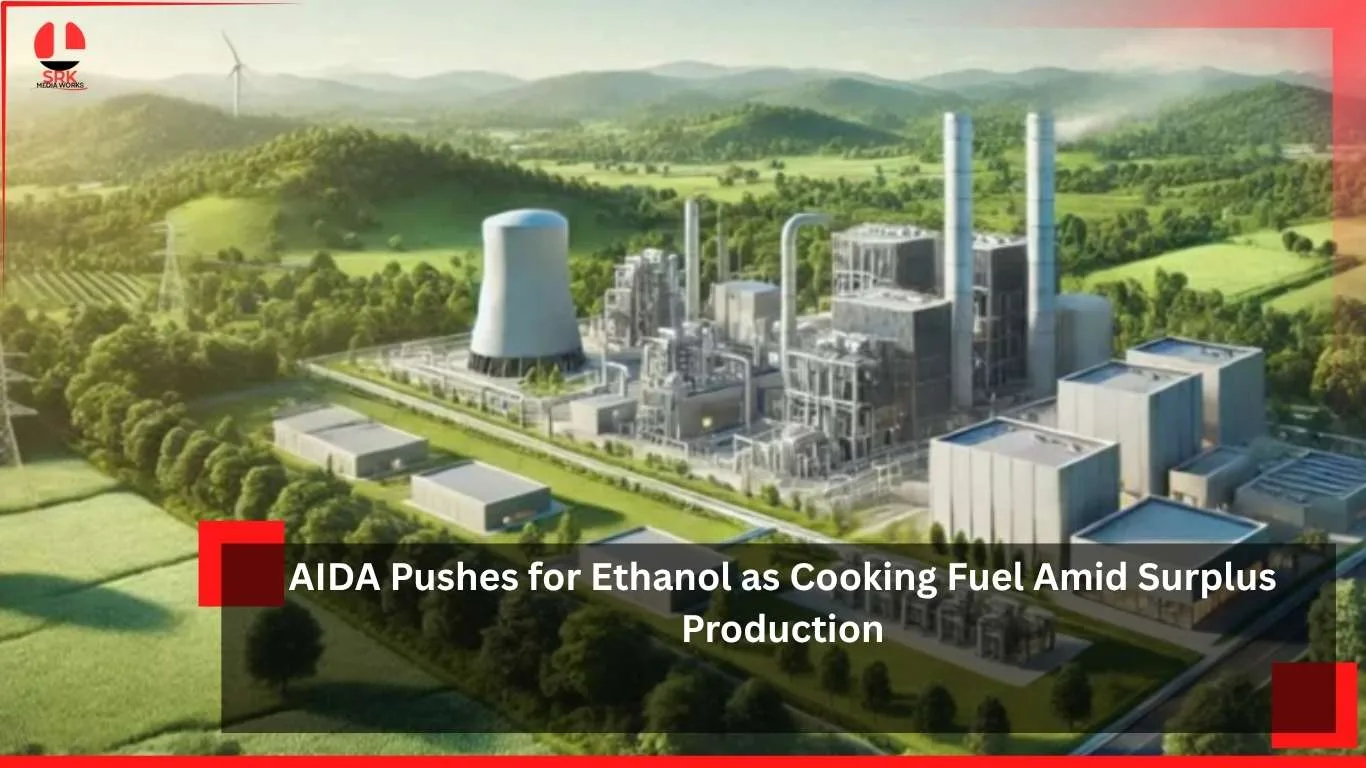
The All India Distillers Association (AIDA) has urged policymakers to consider ethanol as a viable alternative cooking fuel, citing surplus production and the need to diversify its usage beyond blending with petrol. With India’s ethanol output exceeding immediate blending requirements, the association believes that channeling excess supply into household energy consumption could reduce dependence on LPG and kerosene while promoting sustainability.
Why Ethanol as Cooking Fuel?
- Surplus Production: India’s ethanol production has surged due to government incentives and expanded distillery capacity.
- Energy Diversification: Using ethanol for cooking can reduce reliance on imported LPG.
- Environmental Benefits: Ethanol burns cleaner than kerosene, reducing indoor air pollution.
- Affordability: Ethanol-based stoves could provide cost-effective solutions for rural and semi-urban households.
Current Ethanol Usage in India
- Primarily used for blending with petrol to reduce fossil fuel dependence.
- Increasingly deployed in industrial applications.
- Limited use in household energy, despite potential benefits.
Comparative Analysis of Cooking Fuels
| Fuel Type | Cost Efficiency | Environmental Impact | Availability | Health Concerns |
|---|---|---|---|---|
| LPG | Moderate | Cleaner than coal/kerosene | Widely available | Limited indoor pollution |
| Kerosene | Low cost | High emissions | Available in rural areas | Severe indoor pollution |
| Ethanol | Affordable | Cleaner combustion | Surplus production | Minimal health risks |
| Electricity | Variable | Clean if renewable | Limited in rural areas | Safe but infrastructure dependent |
| Biogas | Low cost | Eco-friendly | Limited scalability | Requires maintenance |
This comparison shows ethanol’s potential to balance affordability, availability, and environmental benefits.
Pivot Analysis: Ethanol as Cooking Fuel
| Dimension | Current Status | With Ethanol Adoption | Implications |
|---|---|---|---|
| Household Energy | LPG and kerosene dominant | Ethanol as alternative | Reduced import dependence |
| Environment | Indoor pollution from kerosene | Cleaner combustion | Improved public health |
| Economy | Surplus ethanol unused | Productive utilization | Boost to distillery sector |
| Policy | Focus on petrol blending | Expanded scope | Energy diversification |
Challenges in Implementation
- Infrastructure: Need for ethanol-compatible stoves and distribution networks.
- Safety Concerns: Proper handling and storage of ethanol to prevent accidents.
- Policy Framework: Clear guidelines for pricing, subsidies, and distribution.
- Public Awareness: Educating households about ethanol’s benefits and safe usage.
Potential Benefits
- Economic: Utilization of surplus ethanol supports distilleries and farmers.
- Social: Affordable cooking fuel for low-income households.
- Environmental: Reduced carbon footprint and improved indoor air quality.
- Strategic: Lower dependence on imported LPG, enhancing energy security.
Expert Opinions
Energy analysts suggest that ethanol could complement LPG rather than replace it entirely. By offering households multiple fuel options, India can strengthen its energy resilience. Experts also emphasize the need for pilot projects to test feasibility in rural and urban settings.
Possible Outcomes
- Policy Adoption: Government introduces ethanol-based cooking programs.
- Market Expansion: Manufacturers develop ethanol-compatible stoves.
- Consumer Acceptance: Households adopt ethanol as a cheaper alternative.
- Global Model: India sets an example for other ethanol-producing nations.
Conclusion
AIDA’s push for ethanol as cooking fuel reflects a strategic effort to utilize surplus production while addressing energy security and environmental concerns. If implemented effectively, ethanol could emerge as a sustainable, affordable, and cleaner alternative to traditional cooking fuels, reshaping India’s household energy landscape.
Disclaimer: This article is based on industry analysis and reported developments. It does not endorse any specific policy or product. The content is intended for informational purposes only, highlighting potential uses of ethanol in household energy. Readers should interpret the situation within the broader framework of India’s energy policies.