



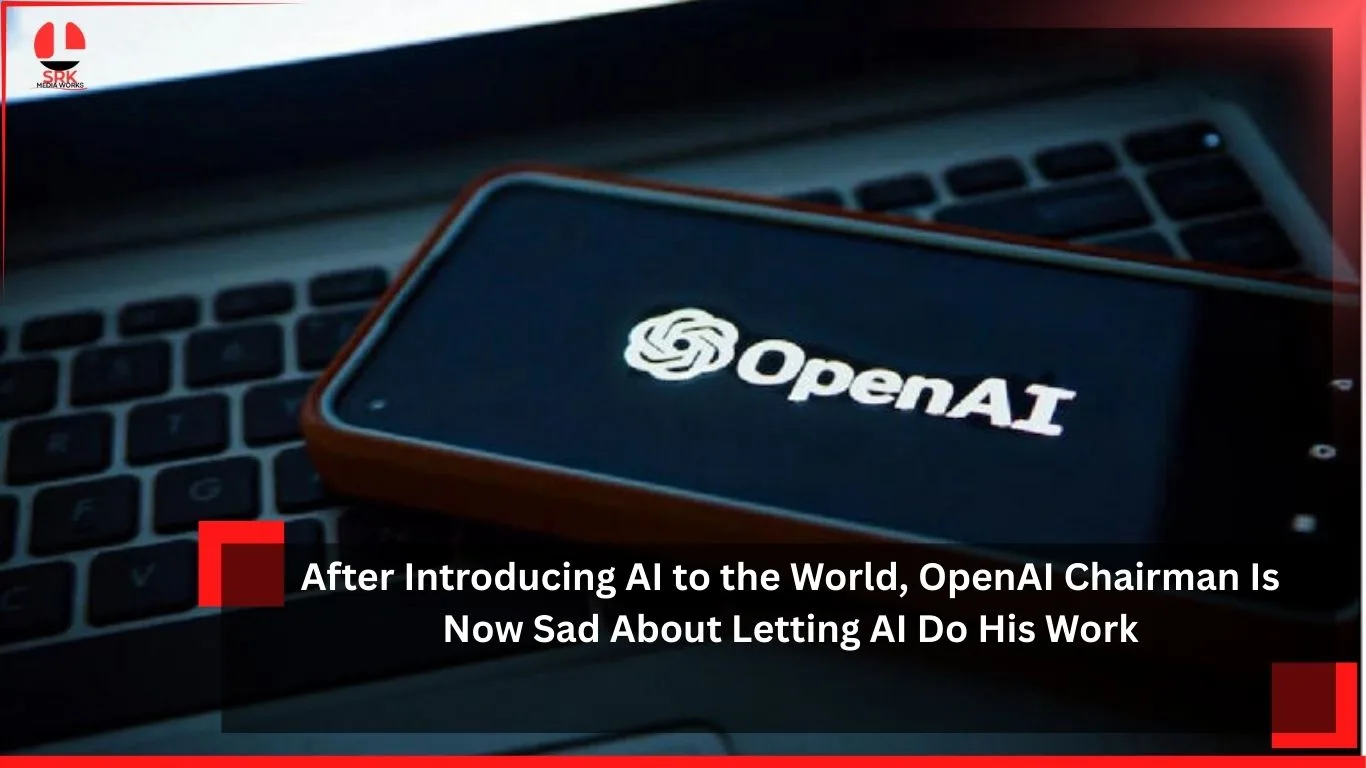
Artificial intelligence has transformed industries, reshaped economies, and redefined human productivity. Yet, in a surprising twist, the chairman of OpenAI—one of the most influential organizations in the AI revolution—has expressed sadness about allowing AI to take over his own work. This paradox highlights the emotional and ethical dilemmas faced by leaders who pioneered the very technology now reshaping their professional lives.
The Emotional Paradox
The chairman’s remarks reveal a deep conflict:
- Pride in Innovation: He helped introduce AI to the world, revolutionizing how humans interact with machines.
- Sadness in Dependence: Watching AI perform tasks once reserved for human creativity and leadership has left him conflicted.
- Human Identity: His statement underscores the tension between technological progress and the human need for purpose.
Why This Matters
The chairman’s sadness is not just personal—it reflects broader societal concerns:
- Workplace Transformation: AI is automating tasks across industries, raising questions about human relevance.
- Ethical Dilemmas: Leaders must balance innovation with responsibility.
- Emotional Impact: Even pioneers of AI struggle with its implications for human identity and creativity.
- Global Debate: His remarks fuel ongoing discussions about AI’s role in society.
Comparative Analysis of AI Adoption
| Sector | AI Role | Human Impact |
|---|---|---|
| Healthcare | Diagnostics, predictive analytics | Doctors supported, but emotional care irreplaceable |
| Finance | Trading algorithms, fraud detection | Analysts focus on strategy, less manual work |
| Education | Personalized learning platforms | Teachers adapt roles, focus on mentorship |
| Creative Industries | Content generation, design assistance | Artists face competition, but human touch valued |
| Leadership/Management | Decision support, automation | Leaders risk losing personal involvement |
This table shows how AI adoption varies across sectors, with leadership roles particularly vulnerable to emotional dilemmas.
Political and Social Reactions
The chairman’s remarks have triggered varied responses:
| Stakeholder Group | Reaction Type | Key Observations |
|---|---|---|
| Tech Enthusiasts | Surprised | Did not expect sadness from AI pioneers |
| Industry Analysts | Neutral | Emphasize balance between AI and human roles |
| Employees | Relatable | Share concerns about losing relevance |
| Citizens | Mixed | Some fear AI dominance, others embrace progress |
This distribution highlights the complexity of public sentiment around AI.
Historical Parallels
Technology pioneers have often faced similar dilemmas:
| Year | Event | Outcome |
|---|---|---|
| 19th Century | Industrial Revolution | Machines replaced manual labor, social unrest |
| 20th Century | Rise of computers | Clerical jobs automated, new industries emerged |
| 21st Century | AI revolution | Emotional dilemmas for leaders and workers |
| 2026 | OpenAI chairman’s sadness | Reflects human struggle with AI dominance |
This comparison shows how technological progress often brings emotional and social challenges.
Global Implications
The chairman’s sadness carries broader significance:
- Leadership Lessons: Even innovators must grapple with unintended consequences.
- Policy Considerations: Governments may need to address emotional and ethical impacts of AI.
- Cultural Shifts: Society must redefine work, purpose, and identity in the age of AI.
Public Sentiment
Public opinion reflects empathy and concern:
- Supporters: Understand the emotional struggle of watching AI replace human effort.
- Critics: Argue that leaders should embrace progress without hesitation.
- Neutral Observers: Recognize the inevitability of AI but stress the need for balance.
Future Outlook
The trajectory of AI adoption and its emotional impact remains uncertain. Possible scenarios include:
| Scenario | Description | Potential Impact |
|---|---|---|
| Balanced Integration | AI supports humans without replacing them | Emotional stability, sustainable progress |
| Full Automation | AI dominates leadership and creative roles | Human identity crisis, social unrest |
| Ethical Frameworks | Policies ensure human involvement in key areas | Balanced growth, reduced emotional strain |
Conclusion
The OpenAI chairman’s sadness about letting AI do his work is a poignant reminder that technological progress is not just about efficiency—it is about humanity. His remarks highlight the emotional, ethical, and social dilemmas of living in an AI-driven world. As society embraces artificial intelligence, the challenge will be to ensure that human purpose, creativity, and leadership remain central to our future.
Disclaimer
This article is based on analytical perspectives and available information. It does not confirm or deny confidential corporate details and should not be interpreted as official policy. Readers are encouraged to follow verified statements from organizations and leaders for authoritative updates.