




India’s ambitious drive to strengthen its position in the global metals market has hit a significant hurdle as Adani Group’s billion-dollar copper plant faces operational challenges and resource constraints. The project, which was envisioned as a cornerstone of India’s push toward self-reliance in critical metals, has run into difficulties that highlight the complexities of global supply chains, environmental concerns, and market volatility.
India’s Copper Ambitions
Copper is a critical metal for modern economies:
- Industrial Use: Essential for electrical wiring, electronics, and renewable energy infrastructure.
- Strategic Importance: Plays a key role in electric vehicles, solar panels, and wind turbines.
- India’s Demand: Rising sharply due to infrastructure growth and clean energy transition.
- Adani’s Role: The group’s copper plant was expected to reduce dependence on imports and establish India as a global player.
Adani’s Copper Plant Challenges
| Issue | Description | Impact | Outlook |
|---|---|---|---|
| Resource Shortage | Plant faces supply constraints | Production slowdown | Needs global sourcing |
| Environmental Concerns | Local protests over ecological impact | Regulatory delays | Requires compliance |
| Global Market Volatility | Copper prices fluctuate | Financial strain | Risk of cost overruns |
| Infrastructure Bottlenecks | Logistics and transport challenges | Delays in output | Investment in upgrades |
| Policy Roadblocks | Regulatory approvals pending | Slows expansion | Government intervention needed |
The Plant’s Vision and Reality
Adani’s copper plant was designed to:
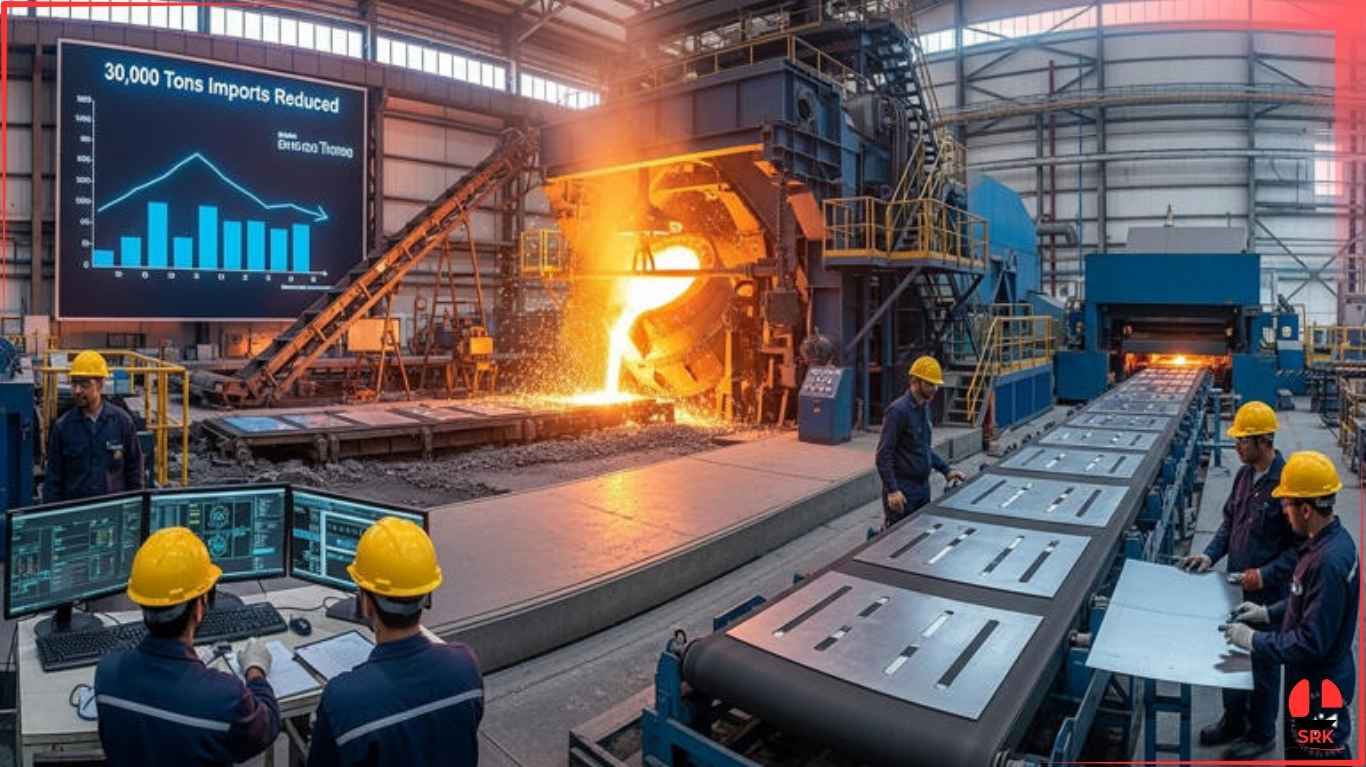
- Capacity: Produce hundreds of thousands of tonnes annually.
- Investment: Backed by billions of dollars in capital.
- Employment: Generate thousands of jobs locally.
- Global Integration: Position India as a reliable supplier in global copper markets.
However, the reality has been more complex:
- Supply Chain Issues: Difficulty in securing raw copper concentrates.
- Operational Delays: Technical and logistical challenges slowed ramp-up.
- Community Pushback: Environmental activists raised concerns about water usage and pollution.
Copper Market Trends Affecting India
| Factor | Global Trend | Impact on India |
|---|---|---|
| Demand Growth | EVs and renewables driving demand | Increases import dependency |
| Price Volatility | Fluctuations in global markets | Challenges for domestic producers |
| Supply Concentration | Few countries dominate copper mining | Vulnerability to geopolitical risks |
| Recycling Push | Global shift toward circular economy | Opportunity for India to innovate |
| Green Transition | Copper critical for clean energy | Strategic need for domestic capacity |
Global Roadblocks
India’s copper ambitions face challenges beyond domestic issues:
- Geopolitical Risks: Global mining concentrated in Chile, Peru, and Congo.
- Trade Barriers: Tariffs and export restrictions complicate sourcing.
- Competition: China dominates copper refining, creating stiff competition.
- Sustainability Standards: Global buyers demand eco-friendly production.
Expert Opinions
- Economists: Stress that India must diversify sourcing and invest in recycling.
- Industry Leaders: Highlight the need for long-term contracts with global miners.
- Environmentalists: Warn that unchecked expansion could harm ecosystems.
- Policy Analysts: Suggest government incentives to stabilize domestic production.
Public Sentiment
- Investors: Concerned about delays and cost overruns.
- Local Communities: Divided between job opportunities and environmental risks.
- Consumers: Worry about rising costs of electronics and infrastructure.
- Media: Coverage frames the plant as a test case for India’s industrial ambitions.
Challenges Ahead
Adani’s copper plant must overcome:
- Supply Security: Ensuring steady inflow of raw materials.
- Environmental Compliance: Meeting regulatory standards to avoid shutdowns.
- Financial Viability: Managing costs amidst global price swings.
- Global Competition: Competing with established players like China.
Government’s Role
The Indian government is expected to:
- Support Infrastructure: Improve logistics and transport networks.
- Policy Incentives: Provide subsidies and tax breaks for domestic producers.
- Strategic Partnerships: Secure global mining contracts.
- Sustainability Push: Encourage recycling and green production methods.
Future Outlook
- Short-Term: Adani’s plant must stabilize operations and secure raw material supply.
- Medium-Term: India likely to invest in recycling and alternative sourcing.
- Long-Term: Success of the plant could redefine India’s role in global copper markets.
- Global Impact: India’s ability to meet demand will influence renewable energy and EV sectors worldwide.
Conclusion
The struggles of Adani’s billion-dollar copper plant, which has run dry amidst global roadblocks, underscore the challenges of India’s ambitious metal push. While the project symbolizes India’s industrial aspirations, it also highlights the complexities of balancing economic growth, environmental sustainability, and global market dynamics.
For India, the road ahead requires strategic planning, global partnerships, and innovation in recycling and green production. Adani’s copper plant remains a crucial test case—its success or failure will shape India’s future in the global metals race.
Disclaimer: This article is based on publicly available industry updates, expert commentary, and media reports. Readers are advised to follow official government and company releases for verified details.