




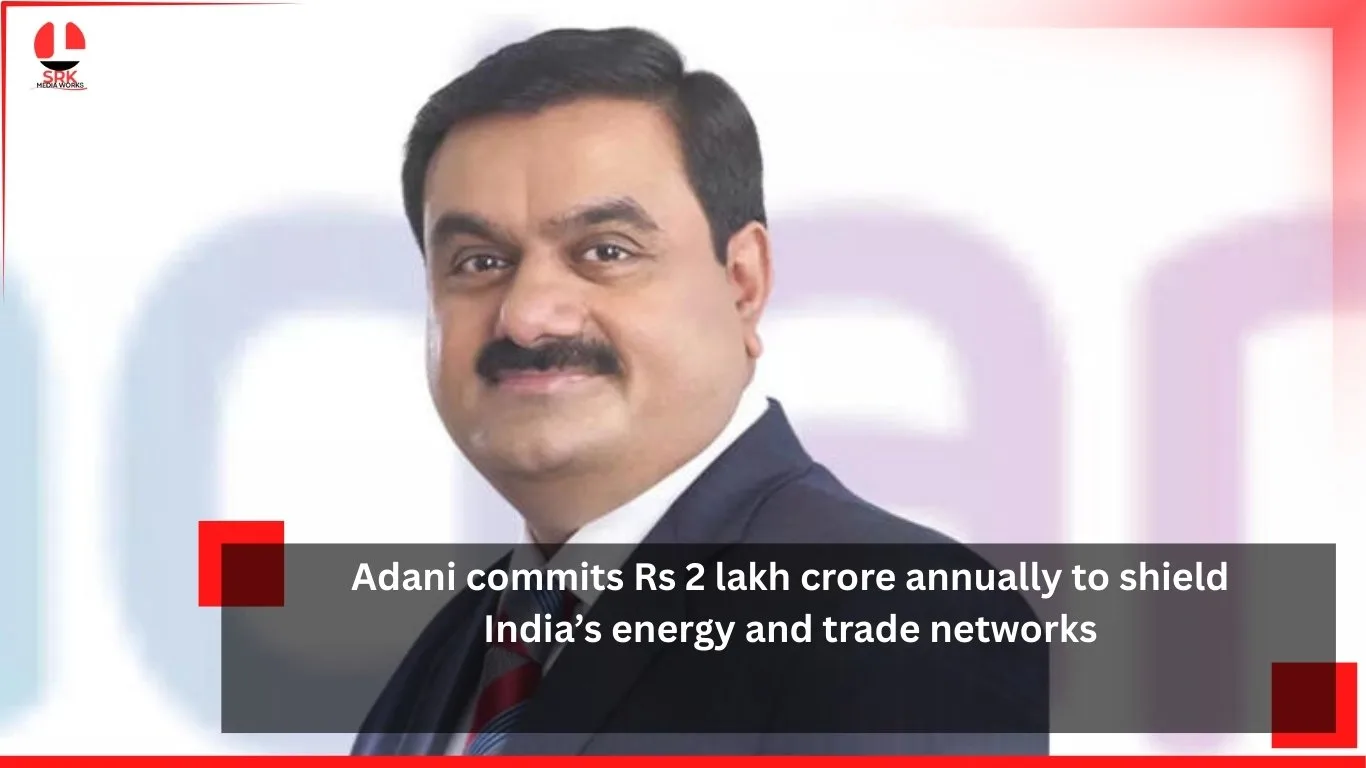
India’s energy and trade infrastructure is set for a transformative leap as the Adani Group has announced an annual commitment of Rs 2 lakh crore to strengthen and safeguard the nation’s energy and trade networks. This unprecedented investment underscores Adani’s vision of building resilient systems that can withstand global disruptions, ensure energy security, and enhance India’s position in international trade.
Strategic Vision Behind the Commitment
Adani’s annual investment plan is not just about financial allocation—it is a comprehensive strategy to reinforce India’s critical infrastructure. The focus areas include:
- Expanding renewable energy capacity to reduce dependence on fossil fuels.
- Strengthening port and logistics networks to handle rising trade volumes.
- Enhancing transmission and distribution systems for reliable energy supply.
- Building digital infrastructure to support smart energy management.
- Creating resilient supply chains that can withstand global uncertainties.
This initiative aligns with India’s long-term goals of achieving energy independence, reducing carbon emissions, and becoming a global hub for sustainable trade.
Energy Security and Renewable Expansion
A significant portion of the Rs 2 lakh crore annual investment will be directed toward renewable energy projects. Adani has already established itself as one of the largest renewable energy players in India, and this commitment will accelerate:
- Solar and wind energy projects across multiple states.
- Development of hybrid energy parks combining solar, wind, and storage.
- Large-scale battery storage systems to ensure grid stability.
- Integration of renewable energy with smart grids for efficient distribution.
By expanding renewable capacity, Adani aims to reduce India’s reliance on imported fossil fuels, thereby enhancing energy security and contributing to global climate goals.
Strengthening Trade Networks
Adani’s role in India’s trade infrastructure is equally significant. With a vast portfolio of ports and logistics assets, the group is positioned to transform India’s trade networks. The annual investment will focus on:
- Expanding port capacity to handle larger cargo volumes.
- Modernizing logistics hubs with advanced technology.
- Enhancing connectivity between ports, railways, and highways.
- Building resilient supply chains that can adapt to global disruptions.
This will not only boost India’s export competitiveness but also ensure smoother import flows, supporting industries and consumers alike.
Comparative Analysis of Energy and Trade Commitments
| Focus Area | Energy Networks (Rs 2 lakh crore) | Trade Networks (Rs 2 lakh crore) |
|---|---|---|
| Primary Objective | Renewable expansion, energy security | Port modernization, logistics resilience |
| Infrastructure Development | Solar, wind, battery storage, smart grids | Ports, rail, highways, logistics hubs |
| Long-Term Impact | Reduced carbon footprint, energy independence | Enhanced trade competitiveness, global integration |
| Employment Generation | Renewable energy jobs, tech roles | Logistics, port operations, supply chain jobs |
| Sustainability Contribution | Clean energy transition | Efficient trade with reduced emissions |
Pivot Analysis: Energy vs. Trade Investment
| Dimension | Energy Networks Impact | Trade Networks Impact |
|---|---|---|
| Financial Scale | High renewable project funding | Large-scale port modernization |
| Technology Adoption | Smart grids, battery storage | AI-driven logistics, automation |
| Environmental Benefits | Reduced emissions, clean energy | Lower carbon footprint in logistics |
| Global Positioning | Leader in renewable energy | Hub for international trade |
| Long-Term Sustainability | Energy independence | Trade resilience |
Broader Implications for India
Adani’s annual commitment carries far-reaching implications:
- Economic Growth: Massive investments will create jobs, stimulate industries, and attract global partnerships.
- Energy Independence: Reduced reliance on imports strengthens India’s strategic autonomy.
- Environmental Impact: Renewable expansion contributes to India’s climate commitments.
- Global Trade Leadership: Modernized ports and logistics enhance India’s role in global supply chains.
Challenges and Considerations
While the scale of investment is impressive, challenges remain:
- Ensuring policy consistency across states for renewable projects.
- Addressing land acquisition and environmental clearances.
- Managing global supply chain disruptions in technology and equipment.
- Balancing rapid expansion with sustainability and community concerns.
Adani’s ability to navigate these challenges will determine the long-term success of this initiative.
Future Outlook
The Rs 2 lakh crore annual commitment positions Adani as a central force in India’s energy and trade transformation. Over the next decade, India could witness:
- A dramatic rise in renewable energy capacity.
- Modernized ports capable of handling global trade flows.
- Integration of digital technologies in energy and logistics.
- Strengthened resilience against global economic shocks.
This initiative not only secures India’s energy and trade networks but also enhances its global standing as a leader in sustainable development.
Disclaimer
This article is intended for informational purposes only. It highlights recent investment commitments by Adani Group in India’s energy and trade sectors. The content does not constitute financial advice, investment recommendations, or official corporate statements. Readers should independently verify details before making financial or business decisions.