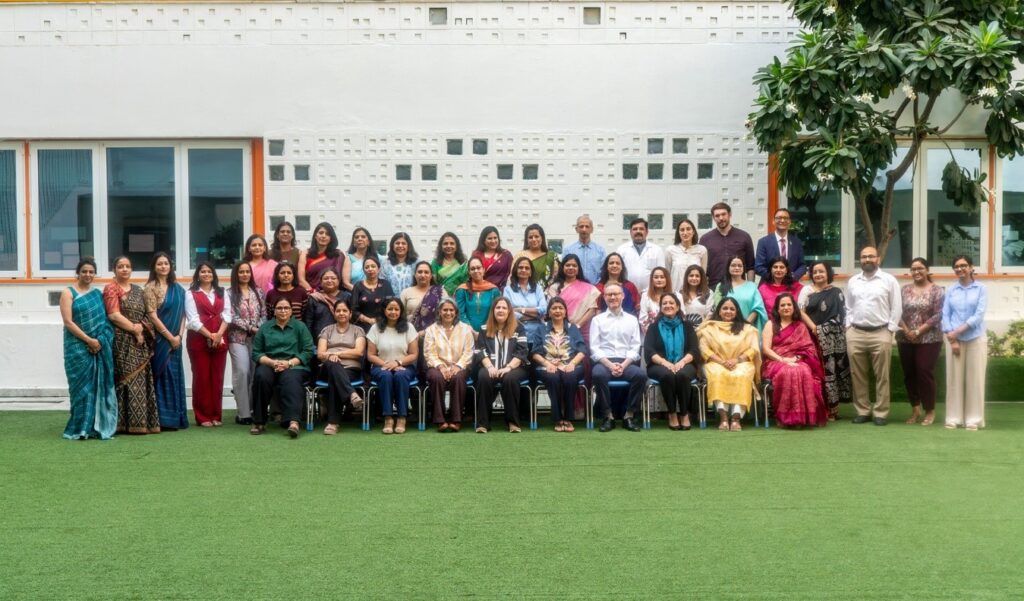

The British School New Delhi, in collaboration with the UCL Centre for Educational Leadership at the UCL Institute of Education (IOE), hosted a three-day Leadership Development Conference from 9–11 October 2026, bringing together 40 delegates from 23 schools across India.
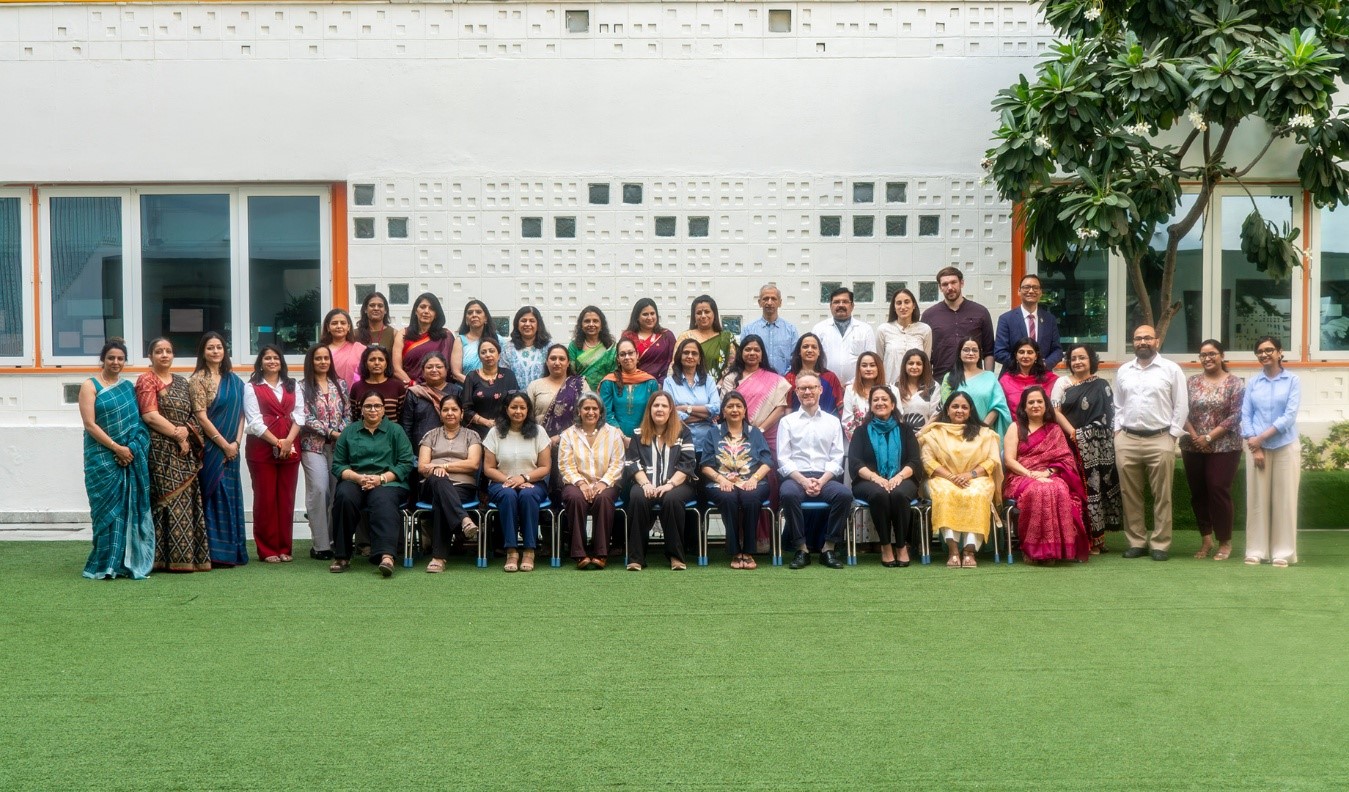 |
In Picture: Conference participants, and staff from TBS and UCL
The conference welcomed heads of schools and educational leaders from international, CBSE and ICSE schools to examine the cultural dynamics that shape how teachers, students and communities experience school life. The programme combined interactive activities and hands-on experiences with research-based insights, alongside dedicated opportunities for self-reflection.
A key theme emerging from the conference was the role of school leaders in shaping environments where teachers can thrive and do their best for students. The programme encouraged participants to engage with complex challenges facing school leaders, exchange perspectives with peers and connect research-based insights with the realities of their own school communities.
“Over the past few days, we’ve grappled with challenging issues facing leaders in schools globally and here in India. Our participants have brought such passion and purpose to the conference and there’s been a huge amount of shared learning. A key takeaway from the conference has been that there are no easy answers but that leaders play a decisive role in creating the culture and conditions in which teachers are able to thrive and do their best for students,” said Greg Ross, Director, Global Development of Educational Leadership, UCL Centre for Educational Leadership.
Vanita Uppal OBE, Director, The British School New Delhi said, “The three-day Leadership Development Conference, led by experts from the UCL Centre for Educational Leadership in partnership with The British School New Delhi, brought together educational leaders from across the country. The deliberations focused on the opportunities and challenges faced by leaders in developing brave and resilient organisational cultures where educators thrive and human flourishing is the key objective. Inspirational and thought-provoking, the discussions will hopefully cascade through learning communities across the country.”
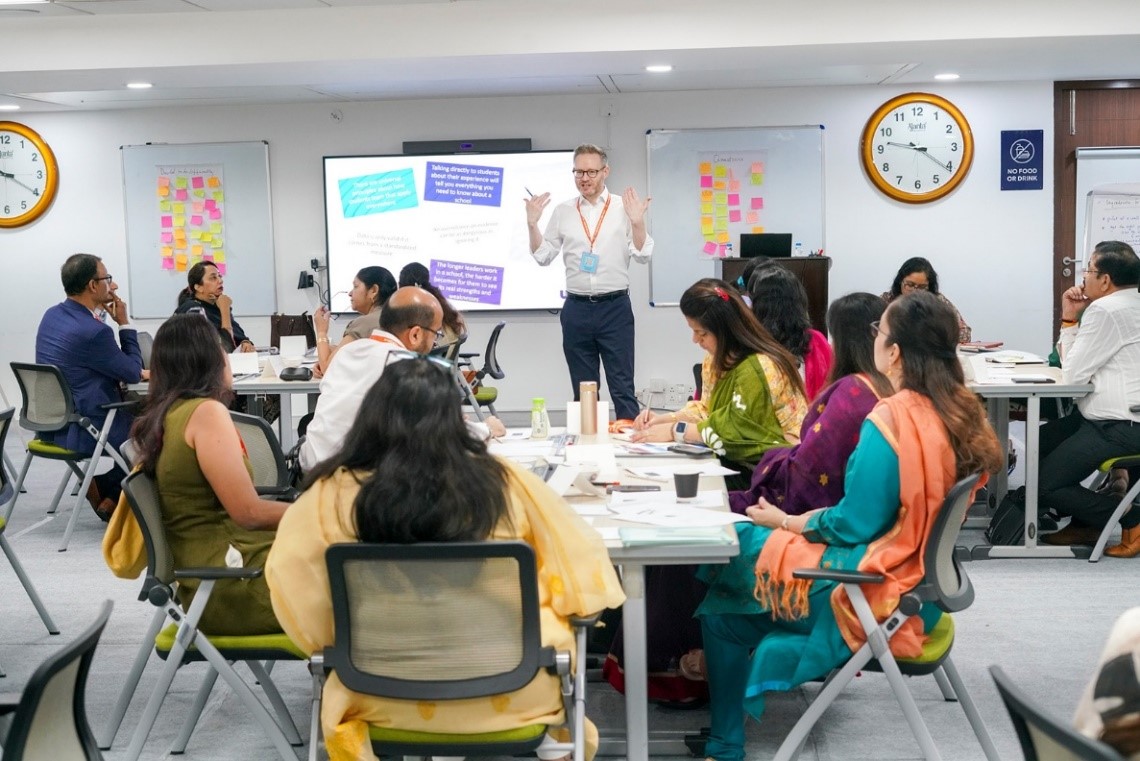 |
In Picture: Gregory Ross, Programme Director, Global Development of Educational Leadership, UCL Institute of Education, taking a session during the conference
The conference brought together The British School New Delhi’s experience as one of the top international schools in India with the expertise of the UCL Centre for Educational Leadership. The project was supported by UCL Global Engagement, which is following its development closely.
The conference provided participants with fresh perspectives on leadership and the complexities of introducing change within different school contexts. Through research-informed sessions and discussions with fellow educational leaders, delegates had the opportunity to challenge existing assumptions, explore context-specific approaches to change and reflect on how they could apply their learning to their own leadership journeys.
The Leadership Development Conference reflects a shared commitment to supporting educational leaders as they navigate the cultural and organisational factors that influence school communities and shape the experiences of teachers and students.
About University College London (UCL)
UCL is a global top 10 university, set up in London 200 years ago to offer education for all. Today, we gather 60,000 staff and students, from over 150 countries, to create a unique city within a city – a research and innovation powerhouse that leads the world in subjects spanning the arts, sciences, technology and the humanities. We’ve nurtured 33 Nobel Prize winners, because here, brave ideas have the scale and the support they need to succeed. We are University College London. And here, it can happen. The UCL Institute of Education (IOE) is the world’s leading school of education and social science. In the 2026 QS subject rankings, the IOE was placed first in the world for education for the 13th consecutive year.
For more information, please visit ucl.ac.uk.
About The British School New Delhi
The British School New Delhi is an inclusive, not-for-profit international school located in the heart of the diplomatic area of New Delhi. Founded in 1963 by the then British High Commissioner and his wife, the award-winning school offers high-quality education to British, expatriate and local families by drawing on the best facets of a rich and culturally diverse community.
For more information, please visit www.british-school.org.