




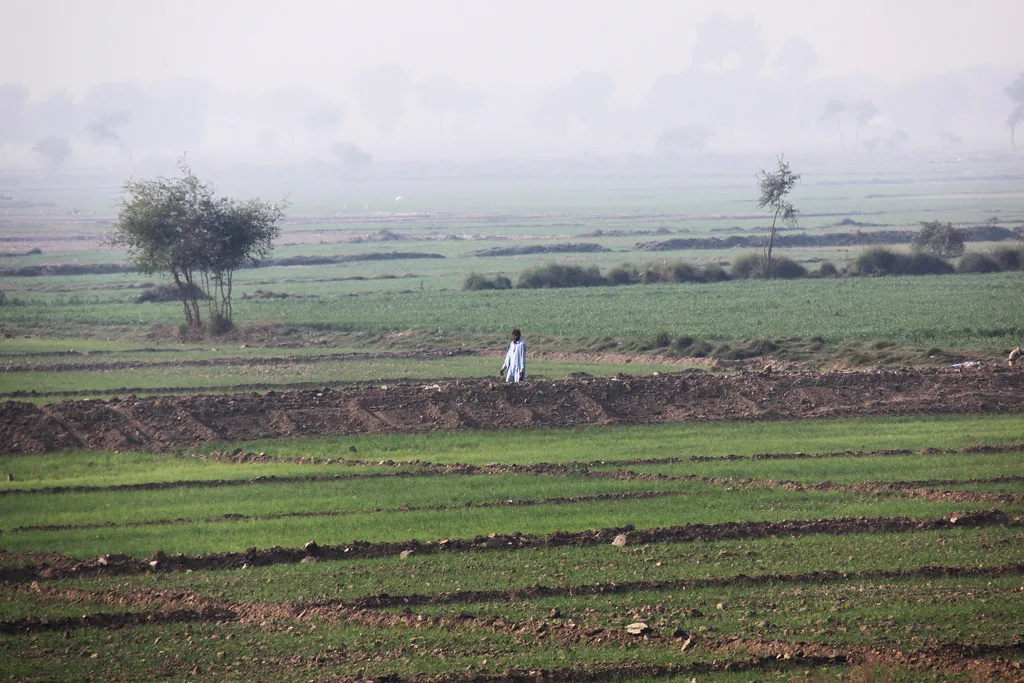
Punjab Seeks Regulatory Shift on Hybrid Rice
The government of Punjab has formally requested the Union Ministry of Agriculture to denotify 23 hybrid rice varieties released after 2015, citing concerns over performance and compliance with national benchmark standards. State officials argue that these varieties have failed to meet the productivity expectations set during their initial approval, prompting a push for stricter regulatory oversight. While the central government has acknowledged the request, it has requested additional time to conduct a comprehensive technical review before taking any definitive action.
Contextualizing the Hybrid Rice Debate
Hybrid rice varieties were introduced to India as a strategic tool to boost national food security and increase yield per hectare compared to traditional inbred varieties. Since the mid-2010s, the seed industry has accelerated the release of new hybrids, promising greater resilience against pests and climate-related stressors. However, the performance of these seeds has become a point of contention between state agricultural departments and seed developers.
Discrepancies in Yield and Performance
Data analyzed by the Punjab Agricultural Department suggests that the 23 varieties in question consistently fall short of the yield parameters established during their notification process. The state’s findings indicate that while these hybrids were marketed as high-output solutions, they have failed to provide a significant return on investment for farmers when compared to established, non-hybrid varieties. Agricultural experts point out that environmental factors, such as soil composition and water availability in Punjab, may differ significantly from the conditions under which these hybrids were tested during the initial development phase.
Expert Perspectives and Data Analysis
Agronomists suggest that the disconnect between laboratory results and field performance is a growing concern in modern agriculture. According to reports from the Indian Council of Agricultural Research (ICAR), some hybrid varieties require highly specific fertilizer and irrigation protocols that many small-scale farmers may not be able to replicate. If the input requirements are not met, the yield potential drops significantly, leading to the performance gaps currently being reported by the state government.
Industry and Policy Implications
The potential denotification of these varieties carries significant weight for the Indian seed industry, which has invested heavily in hybrid technology over the past decade. If the central government follows through with the state’s request, it could set a precedent for more rigorous state-level auditing of seed performance before national approval is finalized. For the farming community, this ongoing debate underscores the need for localized testing and transparent data sharing regarding seed efficacy.
Looking Ahead: Future Regulatory Oversight
Industry observers are now watching for the upcoming report from the central government’s review committee, which will determine if the 23 varieties remain on the market. The outcome will likely influence future seed notification policies and dictate how hybrid varieties are introduced to the Indian agricultural market in the coming years. Stakeholders expect a shift toward more stringent, region-specific trials to ensure that future releases are better aligned with the practical realities of Indian agriculture.