





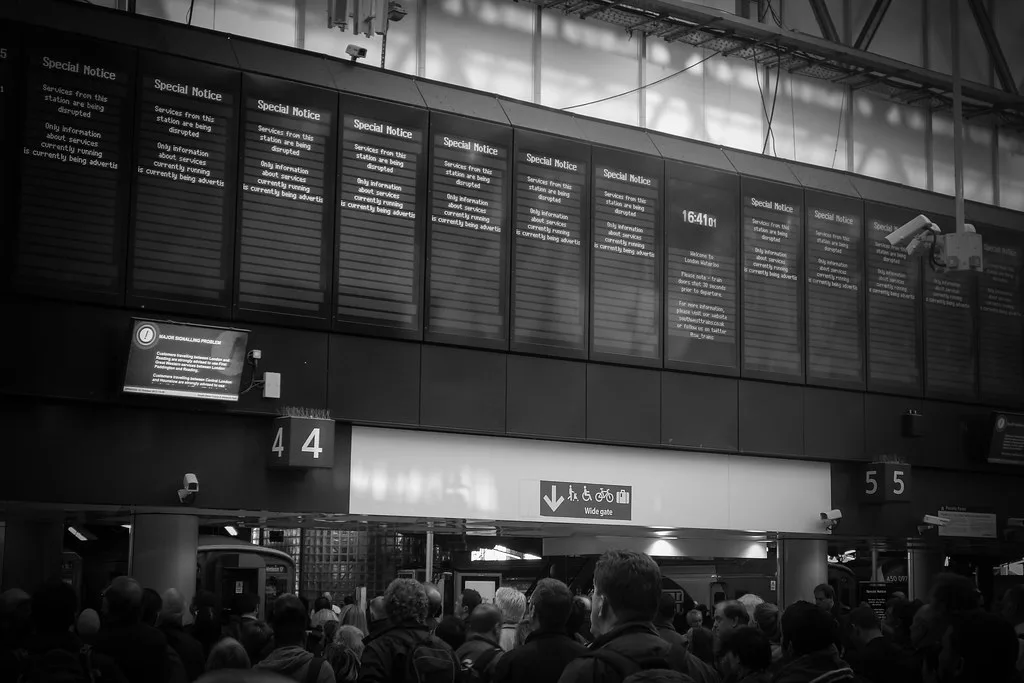
A sweeping wave of aviation disruptions grounded travelers across Asia today, with major carriers and airport hubs in Thailand, Singapore, Japan, Malaysia, South Korea, India, and China reporting 194 flight cancellations and over 2,600 delays. The widespread operational instability, which has affected major operators including Thai Airways, AirAsia, Korean Air, and SpiceJet, has left thousands of passengers stranded at critical transit points from Tokyo to Mumbai.
The Growing Strain on Regional Aviation Infrastructure
The current disruption follows a series of compounding logistical challenges that have plagued the Asian travel sector throughout the current season. Airports in high-traffic hubs such as Kuala Lumpur, Bangkok, and Shanghai are struggling to manage the backlog, with flight schedules failing to meet pre-established departure windows.
Industry analysts point to a combination of labor shortages, unexpected maintenance requirements, and severe weather patterns as the primary drivers of this instability. For carriers like India’s SpiceJet, the operational chaos at hubs like Mumbai has highlighted the fragility of current flight schedules in an era of heightened passenger demand.
Operational Complexities and Industry Impact
The scale of the disruption reveals deep-seated vulnerabilities within the regional air travel network. While airlines attribute the cancellations to a variety of factors, flight tracking data shows that the ripple effect of a single grounded aircraft in a hub like Dubai or Singapore can cascade across dozens of downstream routes.
Data from aviation monitoring services indicates that the volume of delays is significantly higher than the cancellation rate, suggesting that airlines are attempting to manage the situation through rolling schedule adjustments rather than total grounding. However, this strategy has placed immense pressure on ground staff and air traffic control systems, which are currently operating at near-maximum capacity.
Expert Perspectives on Systemic Risks
Aviation experts warn that the current situation underscores the difficulty of scaling operations to meet the post-pandemic surge in tourism. According to reports from regional aviation authorities, the lack of sufficient ground handling personnel and technical support teams has left airlines with little margin for error when faced with minor technical glitches or short-term staffing shortages.
The impact is not limited to major international carriers; regional budget airlines are bearing the brunt of the instability, often lacking the backup fleet capacity to rebook stranded passengers quickly. This has led to increased congestion in terminal buildings and a sharp rise in customer service inquiries at major international airports.
Looking Ahead: What Travelers Can Expect
For the aviation industry, the immediate path forward involves a critical reassessment of scheduling buffers and contingency planning. Passengers should anticipate continued volatility in the coming weeks as airlines recalibrate their flight paths to account for the current systemic bottlenecks.
Travelers are advised to monitor flight status updates in real-time and prepare for potential further schedule changes as airlines prioritize safety and logistical recovery. Moving forward, industry regulators are expected to intensify oversight on scheduling practices to ensure that carriers are not overextending their operational capabilities during peak travel windows.