




The National Green Hydrogen Mission
The Government of India officially launched the National Green Hydrogen Mission in early 2023, setting an ambitious trajectory to produce five million metric tonnes of green hydrogen annually by 2030. This federal initiative, spearheaded by the Ministry of New and Renewable Energy, aims to position India as a global hub for the production, utilization, and export of green hydrogen, effectively decoupling the nation’s industrial growth from carbon-intensive fossil fuel reliance.
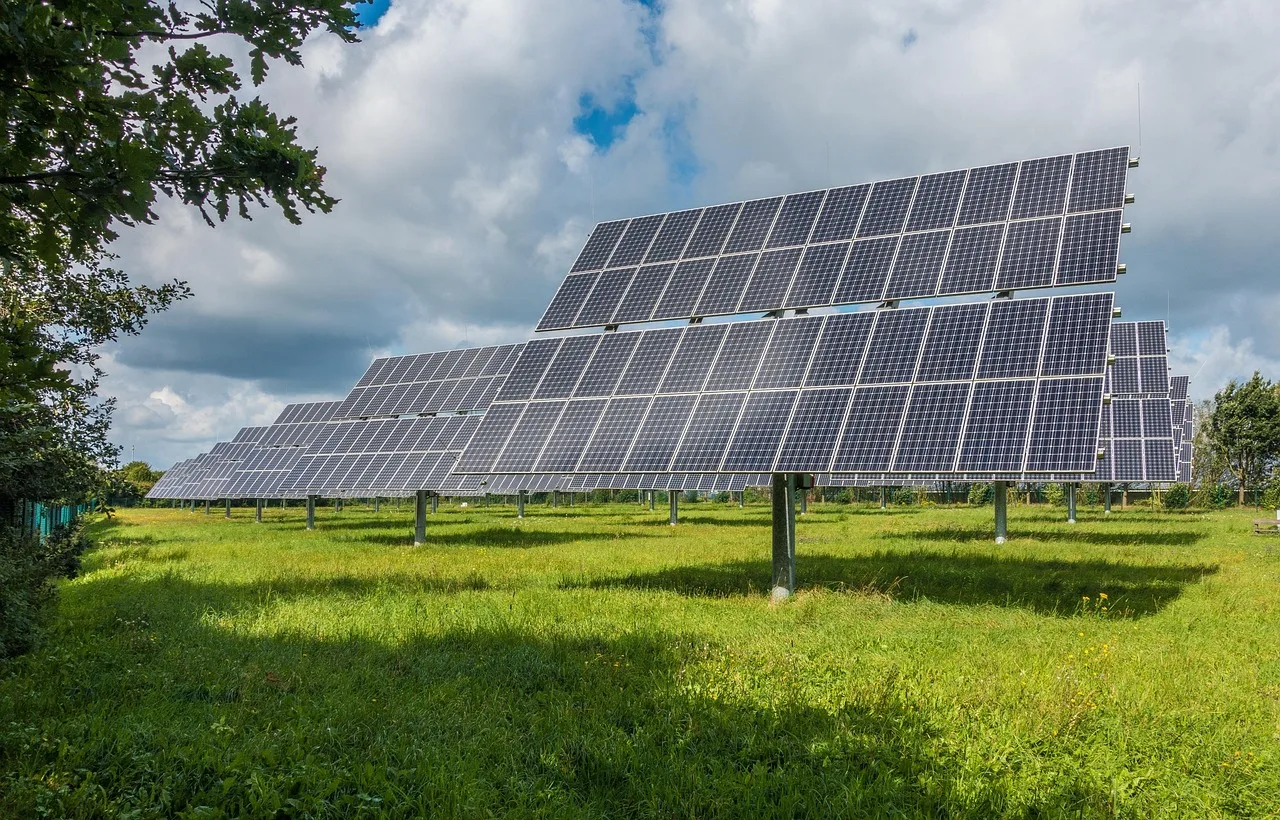
By leveraging its vast domestic solar and wind energy potential, India seeks to drastically lower the levelized cost of hydrogen production. The policy provides critical financial incentives, including production-linked incentives (PLI) for electrolyzer manufacturing, to attract private capital and accelerate technological infrastructure development.
Context and Industrial Necessity
Historically, India’s industrial sector has relied heavily on coal and imported natural gas, making it one of the world’s largest emitters of greenhouse gases. Heavy industries such as steel, shipping, and chemical manufacturing currently account for a significant portion of national energy consumption, creating a persistent challenge for meeting climate targets under the Paris Agreement.
The transition to green hydrogen represents a fundamental shift in energy policy. By utilizing renewable electricity to split water into hydrogen and oxygen through electrolysis, India intends to replace ‘grey’ hydrogen—produced from natural gas—with a zero-emission alternative. This shift is essential for decarbonizing ‘hard-to-abate’ sectors that cannot be easily electrified through battery storage alone.
Scaling the Hydrogen Economy
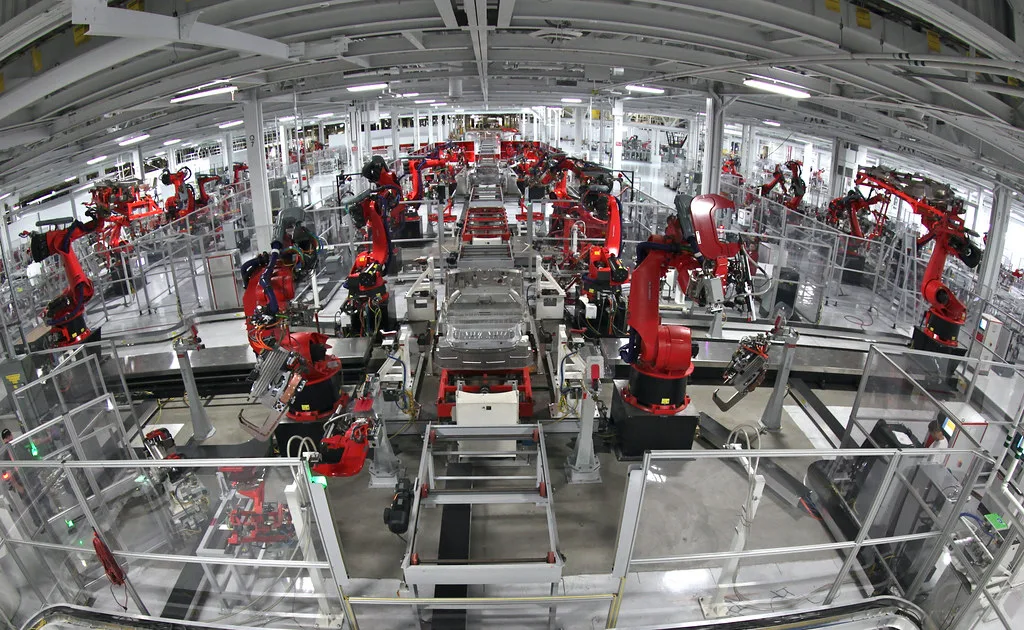
The core of India’s strategy involves creating a robust domestic ecosystem for electrolyzer manufacturing. Industry leaders are currently forming consortiums to integrate green hydrogen into existing steel plants, where it can be used as a reducing agent to replace coking coal. This application alone could reduce industrial carbon footprints by nearly 20% over the next decade.
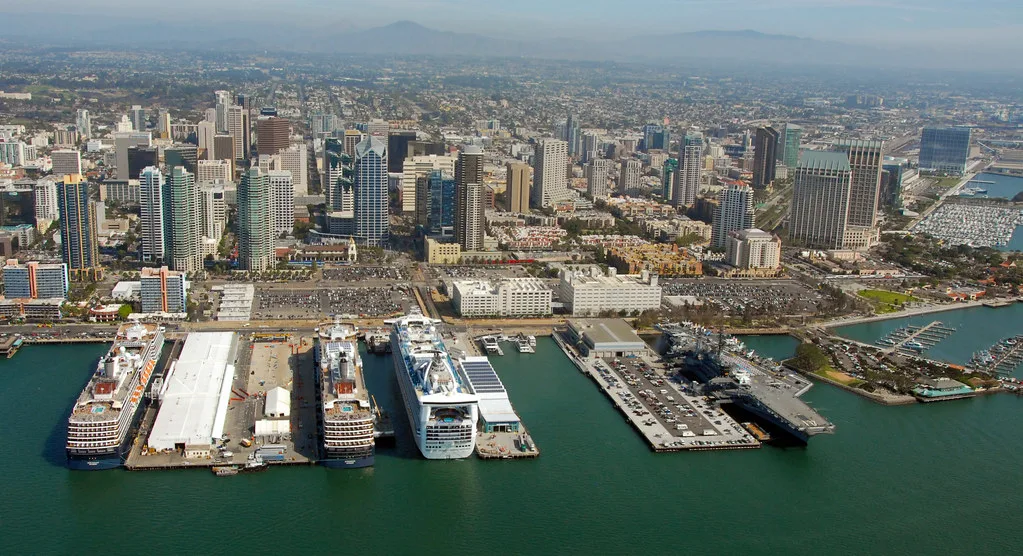
Furthermore, the government is prioritizing the development of ‘Green Hydrogen Hubs’ near major ports. These specialized zones are designed to streamline the export of green ammonia and hydrogen to markets in Europe and East Asia, where demand for clean energy carriers is surging. The strategic proximity to maritime infrastructure reduces logistical costs and enhances the global competitiveness of Indian-produced green fuels.
Expert Perspectives and Economic Data
According to the International Energy Agency (IEA), India’s low-cost renewable energy potential allows it to become one of the lowest-cost producers of green hydrogen globally by 2030. Analysts at NITI Aayog suggest that the mission will stimulate approximately $100 billion in investments and create over 600,000 jobs across the renewable energy and manufacturing value chains.
However, experts warn that infrastructure remains a bottleneck. Scaling up the electrolyzer supply chain requires significant advancements in domestic materials science, specifically regarding catalysts and membranes. While the government has earmarked over $2 billion for initial incentives, industry observers suggest that long-term success will depend on sustained policy stability and the rapid expansion of dedicated renewable energy grids.
Future Implications and Market Outlook
The coming years will be defined by the race to achieve cost parity between green hydrogen and fossil-fuel-based alternatives. Investors should closely monitor the auction outcomes for electrolyzer manufacturing capacity, as these will serve as a bellwether for the health of the broader green energy market in South Asia.
Looking ahead, the integration of green hydrogen into heavy-duty transport, such as long-haul trucking and rail, is the next critical milestone. As global carbon border adjustment mechanisms—such as the EU’s CBAM—tighten, Indian exporters who adopt green hydrogen early will likely gain a significant competitive advantage in international markets. The focus remains on whether the current pace of infrastructure rollout can keep step with the aggressive production targets set by the federal government.