




Operational Adjustments at Jamnagar
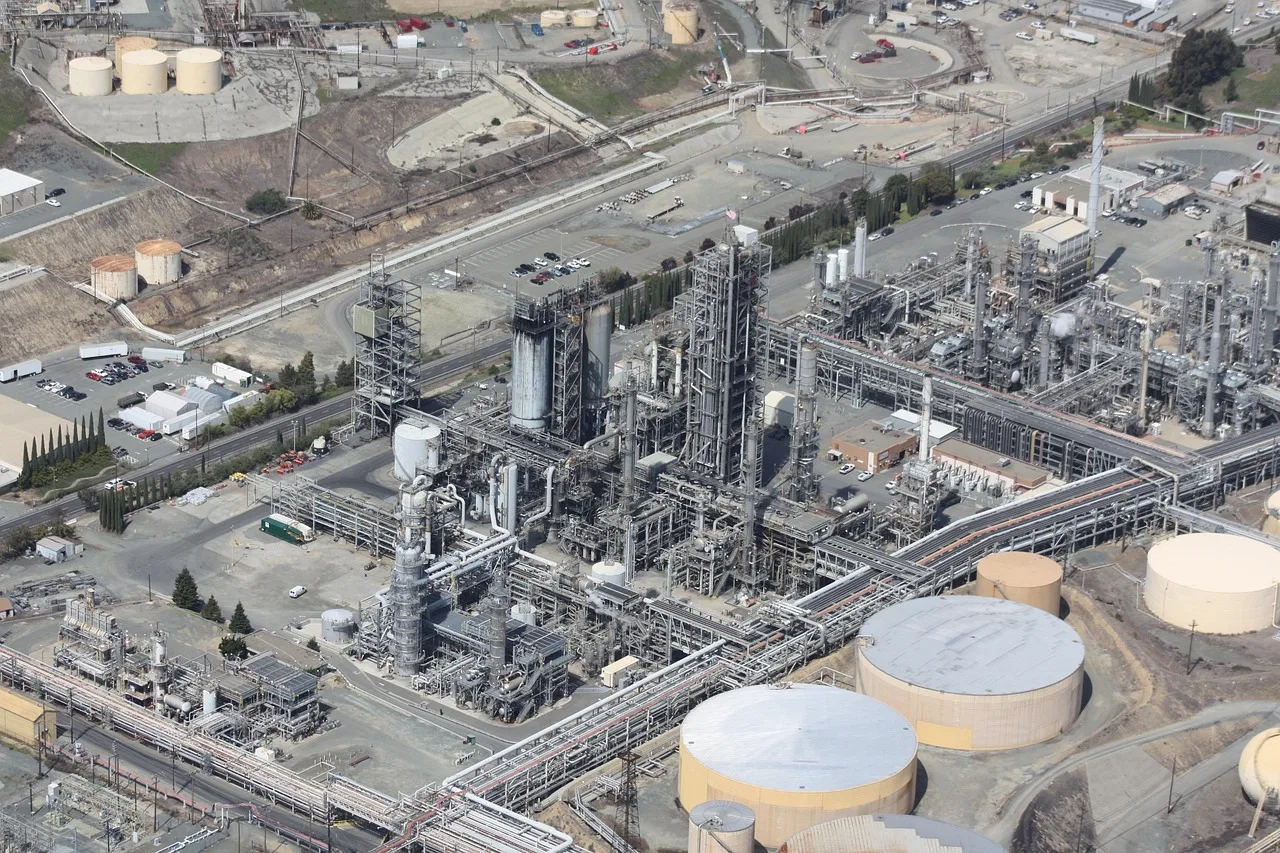
Reliance Industries Ltd (RIL) is set to initiate a scheduled maintenance shutdown at a crude distillation unit within its 660,000 barrels-per-day (bpd) refinery in Jamnagar, Gujarat. Industry sources confirmed this week that the planned downtime is designed to ensure long-term operational efficiency and safety compliance at the world’s largest refining complex.
This maintenance cycle is timed to follow the successful resumption of operations at the nearby Nayara Energy refinery in Vadinar, which concluded its own maintenance period in mid-May. By staggering these shutdowns, the industry aims to stabilize domestic fuel supply chains and prevent potential market volatility.
Understanding Refinery Maintenance Cycles
Refineries require periodic maintenance, often referred to as a turnaround, to inspect critical infrastructure, replace catalysts, and upgrade processing technology. These shutdowns are essential for maintaining the integrity of high-pressure equipment and ensuring that the facility meets stringent environmental and safety standards.
For a facility of the scale of Reliance’s Jamnagar site, these operations are meticulously planned months in advance. The timing takes into account domestic demand forecasts and global crude oil availability to minimize the impact on output.
Supply Chain and Market Dynamics
The decision to proceed with this maintenance comes amid a period of relative stability in India’s fuel retail sector. Government officials have confirmed that the maintenance schedule will not result in any price hikes for petrol or diesel, as the company has built sufficient buffer stocks to meet market demand during the downtime.
Data from the energy sector indicates that India’s refining capacity remains robust despite localized disruptions. The coordination between major players like Reliance and Nayara Energy highlights a strategic approach to regional energy security, ensuring that the country’s fuel requirements are met without necessitating imports or triggering price spikes.
Expert Perspectives and Industrial Impact
Energy analysts suggest that such maintenance is a routine but vital component of downstream oil operations. By proactively addressing wear and tear, operators avoid the risk of unscheduled, long-term outages that could have a far more significant impact on supply reliability.
Market observers noted that the timing is beneficial given the current global refining margins. With the global energy market experiencing fluctuating demand, taking units offline for routine upgrades allows companies to optimize their refinery configuration for more profitable product yields in the coming quarters.
Future Implications for the Energy Sector
Looking ahead, stakeholders are closely watching for updates regarding the duration of the shutdown and the potential for capacity expansion projects that may be integrated into the maintenance work. As India continues to transition toward more complex refining processes, these periodic shutdowns will likely become focal points for technological integration and efficiency upgrades.
Industry experts will monitor the speed at which the units return to full capacity, as this will serve as a bellwether for the overall health of the domestic refining sector. The primary focus for the coming weeks will remain on supply consistency and the company’s ability to maintain high utilization rates across its remaining operational units.