




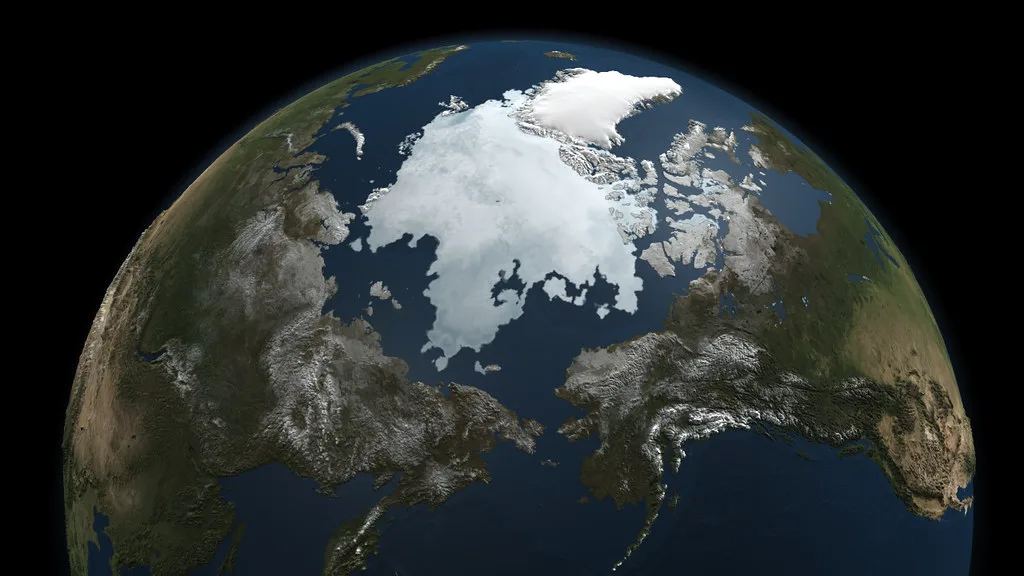
The United States Climate Prediction Center (CPC) announced this week that there is a 61% probability of an El Niño climate pattern emerging before July 2023. This meteorological shift, characterized by warming sea surface temperatures in the equatorial Pacific, threatens to disrupt global weather patterns, potentially exacerbating heat waves and altering precipitation cycles across multiple continents.
Understanding the El Niño Phenomenon
El Niño is the warm phase of the El Niño-Southern Oscillation (ENSO), a periodic climate pattern that significantly influences global weather. It occurs when trade winds weaken, allowing warm water from the western Pacific to shift eastward toward the coast of South America.
Since February, oceanographers have monitored a steady rise in sea surface temperatures (SSTs) across the far-eastern equatorial Pacific. This warming serves as a primary indicator for the transition from the cooler La Niña conditions that dominated the past three years.
Global Climate Impacts and Regional Risks
The emergence of El Niño typically correlates with higher global average temperatures. Meteorologists warn that the phenomenon often acts as a force multiplier for climate change, potentially pushing 2023 or 2024 toward record-breaking heat levels.
Regional impacts vary significantly across the globe. Australia and parts of Southeast Asia often experience drier conditions and increased wildfire risks during an El Niño event. Conversely, parts of the southern United States and South America may face increased rainfall, leading to potential flooding in regions that have recently struggled with drought.
Expert Analysis and Data Trends
Climate scientists emphasize that the transition is not immediate but follows a predictable trajectory of oceanic warming. According to data from the National Oceanic and Atmospheric Administration (NOAA), the current SST anomalies are consistent with the early stages of a developing El Niño.
“The consistency in oceanic warming data suggests that the Pacific is shedding its La Niña state,” noted climate researchers in recent briefings. While the 61% probability provides a strong outlook, experts caution that the precise intensity of the event remains difficult to forecast this far in advance.
Implications for Global Markets and Agriculture
The shift carries significant implications for global commodity markets, particularly in agriculture. Changes in rainfall patterns can disrupt crop yields for staples such as coffee, cocoa, and grains, potentially impacting global food prices.
Industries reliant on predictable weather patterns, including energy and insurance, are already adjusting their risk models. Utilities may face increased demand for cooling as temperatures rise, while the insurance sector is bracing for the potential of extreme weather events associated with the shifting climate.
Future Outlook and Monitoring
As the spring progresses, atmospheric researchers will closely monitor the coupling between the ocean and the atmosphere. The key indicator to watch in the coming months is whether the warming of the surface waters translates into sustained changes in wind patterns and cloud formation.
If the current trend holds, international agencies will likely issue formal El Niño advisories by late summer. Stakeholders should remain prepared for a period of heightened climate volatility as global weather systems adjust to these shifting oceanic temperatures.