





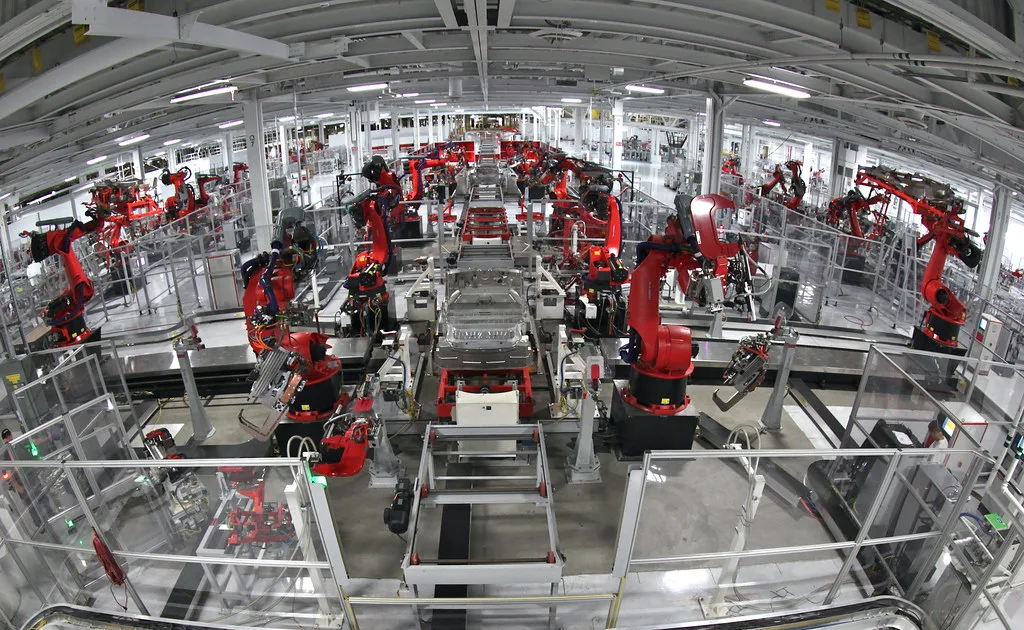
The manufacturing sector demonstrated resilience in April as the Purchasing Managers’ Index (PMI) climbed to 54.7, signaling continued expansion despite growing economic headwinds. This growth, occurring amidst the ongoing geopolitical instability stemming from the Iran conflict, highlights a complex interplay between robust demand and tightening supply chains.
Contextualizing the Current Manufacturing Landscape
The PMI is a critical economic indicator that measures the health of the manufacturing sector. A reading above 50 represents expansion, while a reading below 50 indicates contraction.
For months, global manufacturing has struggled with post-pandemic inventory adjustments and fluctuating consumer demand. The current rise to 54.7 suggests that factories are successfully navigating these hurdles, buoyed by domestic orders and strategic output increases.
Geopolitical Pressures and Input Costs
While output remains strong, the escalating conflict in the Middle East is exerting significant pressure on input costs. Energy prices and logistics expenses have spiked, directly impacting the bottom line for manufacturers.
Data from recent market reports indicate that the cost of raw materials and transportation has increased for the third consecutive month. Businesses are now facing the difficult decision of absorbing these costs or passing them on to consumers, which could exacerbate inflationary pressures.
Industry Perspectives and Operational Challenges
Market analysts note that the manufacturing sector is currently in a state of ‘cautious optimism.’ While the order books are filling up, the volatility in energy markets remains the primary concern for production managers.
Supply chain managers are diversifying their procurement strategies to mitigate the risks associated with regional instability. By sourcing materials from multiple geographic regions, firms are attempting to build a buffer against sudden disruptions in shipping lanes or energy supplies.
Implications for the Broader Economy
For the average reader, the rise in PMI indicates that the industrial economy remains a pillar of support for overall GDP growth. However, the persistent rise in input costs suggests that the era of cooling inflation may face new obstacles in the coming quarters.
If input costs continue to climb, consumers should expect to see the impact reflected in the pricing of durable goods. Central banks will be monitoring these manufacturing metrics closely to determine the trajectory of interest rates throughout the remainder of the year.
Future Outlook and Trends to Watch
Looking ahead, the industry must watch the development of energy markets as a key indicator of margin stability. Furthermore, manufacturers are expected to accelerate investments in automation and efficiency to offset rising operational expenses. The resilience of the 54.7 PMI reading will be tested in the coming months as firms attempt to balance high output levels against the reality of a more expensive global supply chain.