



Quarterly Performance Overview
L.G. Balakrishnan & Bros (LGB) reported a 17% decline in net profit for the fourth quarter of the fiscal year 2026, with earnings settling at ₹70 crore. Despite the bottom-line contraction, the company achieved growth in both revenue and EBITDA, highlighting a disconnect between top-line expansion and operational efficiency amid mounting cost pressures.
Context of the Automotive Components Sector
As a key player in the automotive transmission and timing chain segment, L.G. Balakrishnan & Bros operates in an industry highly sensitive to raw material price volatility and supply chain stability. The company has traditionally maintained a strong market position, but recent fiscal periods have seen manufacturers grappling with persistent inflationary trends that threaten to erode localized profit margins.
Analyzing the Margin Compression
The company’s latest financial disclosures reveal a complex landscape where increased demand has pushed revenue figures upward, yet rising input costs have outpaced these gains. Market analysts note that while the firm successfully scaled its operations to meet market requirements, the cost of raw materials—specifically high-grade steel and specialized alloys—has created a significant drag on profitability.
Despite the quarterly dip, the company’s annual performance for FY26 showed resilience, with an overall improvement in total profit compared to the previous fiscal year. This indicates that while the fourth quarter faced acute headwinds, the full-year trajectory remains relatively stable, supported by consistent demand in the two-wheeler and industrial chain markets.
Strategic Shifts and Shareholder Returns
In a move to maintain investor confidence despite the quarterly profit decline, the company has declared a dividend of ₹22 per share. This decision signals management’s commitment to shareholder value, suggesting that the current margin pressure is viewed as a cyclical challenge rather than a structural failure in the company’s business model.
Industry Implications and Future Outlook
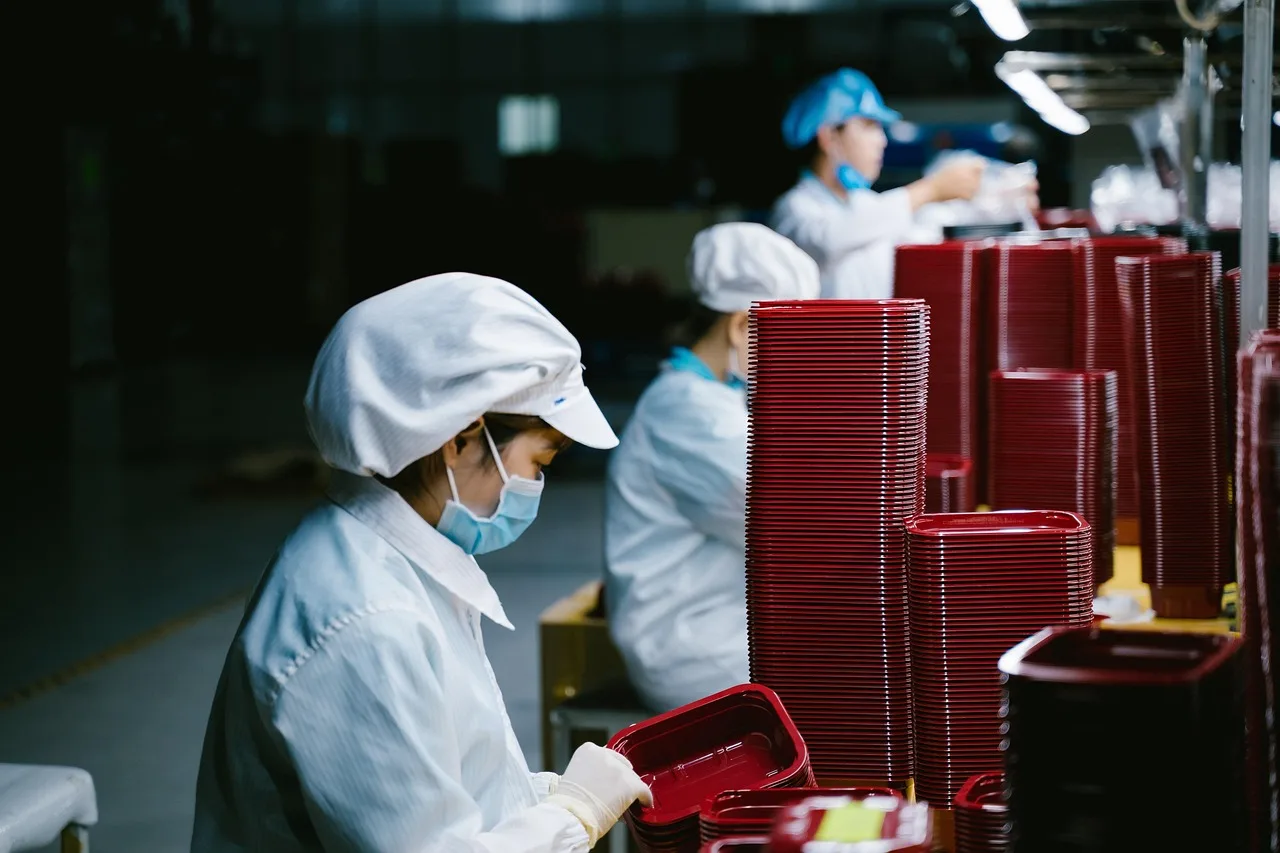
The broader automotive component industry is currently watching how mid-cap firms like LGB navigate these inflationary cycles. Should raw material prices remain elevated, the industry may see a shift toward more aggressive cost-optimization strategies, including localized sourcing and enhanced automation in manufacturing processes.
Investors and stakeholders will now look toward the first quarter of the upcoming fiscal year to determine if the company can successfully pass on increased costs to original equipment manufacturers (OEMs). Monitoring the management’s commentary on hedging strategies and margin recovery targets will be essential to understanding whether the company can regain its historical profit margins in the coming months.