





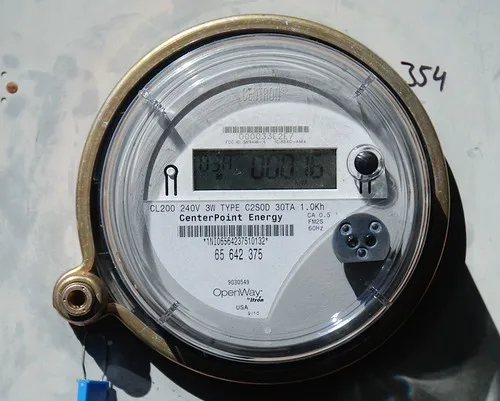
HPL Electric & Power Ltd, a leading Indian manufacturer of electric equipment, announced on April 30 that it has secured new orders for smart meters valued at approximately ₹242.24 crore. The contracts were awarded by various entities under the GMR Group, marking a significant expansion of the company’s footprint in India’s rapidly modernizing power infrastructure sector.
Context of India’s Smart Meter Rollout
The Government of India is currently spearheading the Revamped Distribution Sector Scheme (RDSS), which aims to install 250 million smart prepaid meters across the country by 2025. This initiative is designed to reduce Aggregate Technical and Commercial (AT&C) losses, which have historically plagued state-run distribution companies.
By transitioning from traditional electromechanical meters to smart digital solutions, utility providers can monitor consumption patterns in real-time. This technological shift is essential for grid stability and the integration of renewable energy sources into the national power supply.
Strategic Impact on HPL Electric
For HPL Electric, these orders underscore a growing demand for high-quality, indigenous manufacturing capabilities within the domestic power sector. The company has focused heavily on the smart metering segment over the past fiscal year, positioning itself as a primary vendor for major infrastructure conglomerates like GMR.
Despite the positive news regarding the order intake, market reaction remained muted. Shares of HPL Electric & Power Ltd closed at ₹355.00 on the National Stock Exchange (NSE) on Thursday, reflecting a marginal decline of 2.15%.
Financial analysts suggest that this movement may be attributed to broader market volatility rather than the specific performance of the company. The order book for HPL Electric remains robust, providing a clear revenue stream for the upcoming quarters as the government continues its aggressive rollout schedule.
Industry Perspectives and Data
Industry experts indicate that the smart meter market in India is expected to maintain a compound annual growth rate (CAGR) of over 15% through 2030. The emphasis on ‘Make in India’ initiatives has further incentivized utility firms to prioritize domestic manufacturers over international competitors.
Data from the Ministry of Power shows that millions of smart meters have already been deployed, yet the project remains in the early stages of its full-scale implementation. As more tenders are released, companies like HPL Electric are likely to face increased competition, necessitating continuous investment in research and development to maintain technical superiority.
Future Implications for the Power Sector
For stakeholders, the successful execution of these orders will be the primary metric for future valuation. The ability to meet strict delivery timelines and ensure the seamless integration of software systems will determine which manufacturers dominate the market as the RDSS enters its peak implementation phase.
Looking ahead, industry observers will be watching for additional tender announcements from state-owned distribution companies. The long-term success of the smart grid transformation depends on the financial health of the distribution companies, which remain the primary clients for these metering solutions.