




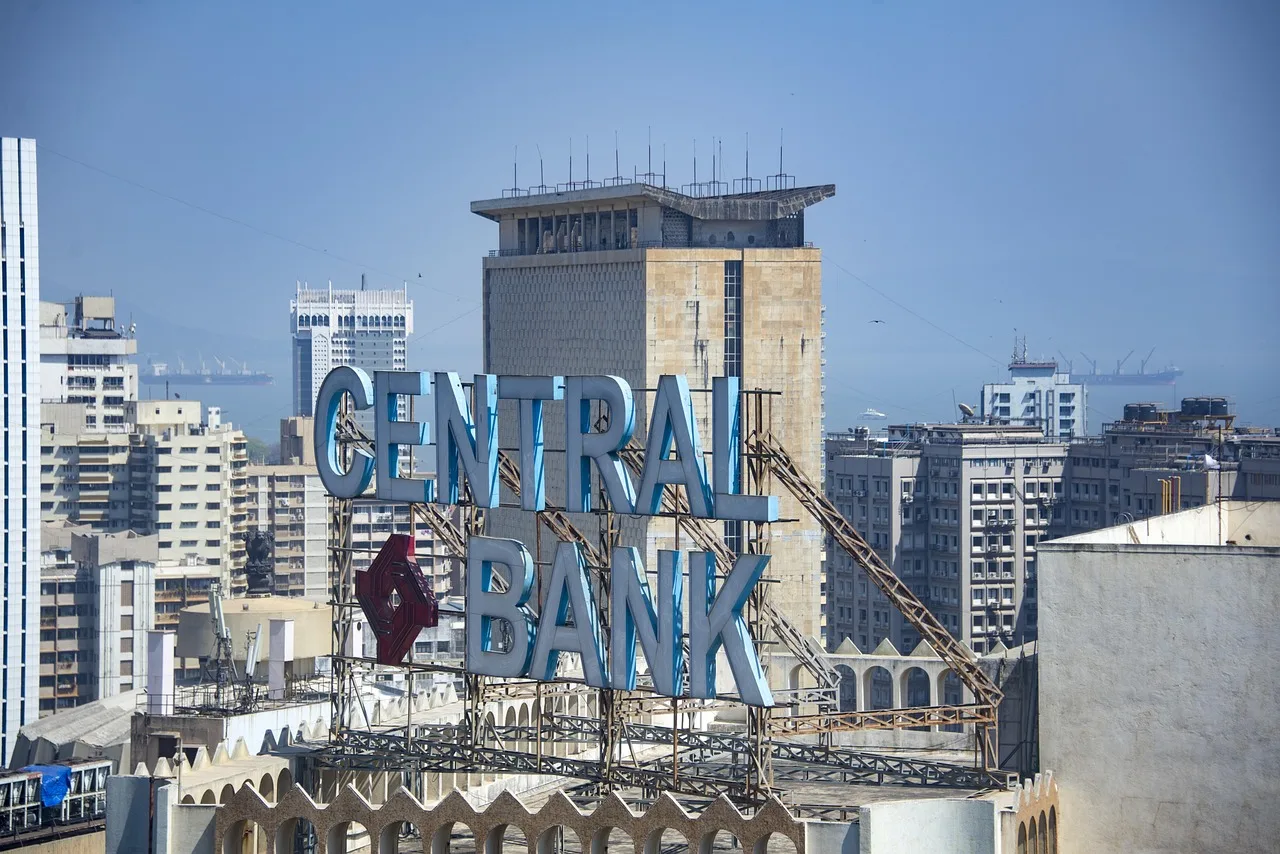
Reserve Bank of India (RBI) Governor Shaktikanta Das indicated on Friday that the central bank now has sufficient policy space to consider a reduction in the benchmark repo rate, as macroeconomic indicators show signs of stabilization and cooling inflation. Speaking at an event in Mumbai, Das suggested that the Monetary Policy Committee (MPC) is closely monitoring domestic growth and price stability to determine the optimal timing for a shift in its stance.
The Evolving Economic Landscape
For the past several quarters, the RBI has maintained a restrictive monetary policy, keeping the repo rate steady at 6.50% since February 2023. This stance was primarily aimed at reining in sticky retail inflation that frequently breached the central bank’s upper tolerance limit of 6%.
Recent data from the Ministry of Statistics and Programme Implementation shows that headline inflation is trending toward the 4% target. Coupled with a resilient GDP growth rate that continues to outpace many major global economies, the central bank’s confidence in the domestic recovery has grown significantly.
Shifting Global and Domestic Dynamics
The potential for a rate cut is supported by a confluence of factors, including moderating global crude oil prices and a stabilization in food supply chains. Analysts note that while geopolitical tensions remain a risk factor for commodity prices, the domestic economy has demonstrated a robust capacity to absorb external shocks.
Data from the RBI’s recent bulletin underscores that credit growth remains strong, reflecting healthy demand in both the retail and corporate sectors. However, the central bank remains cautious about high-frequency indicators that suggest potential volatility in food inflation, which often prevents a linear decline in headline numbers.
Expert Perspectives on Monetary Strategy
Economists are divided on the exact timing of a pivot. Some market analysts suggest that the RBI may wait until the final quarter of the fiscal year to ensure that the disinflationary trend is truly entrenched.
“The Governor’s commentary signals a shift from a ‘higher-for-longer’ approach to a more data-dependent, neutral stance,” says Anjali Verma, a lead economist at a top-tier financial research firm. “The focus is now shifting from curbing liquidity to supporting sustainable capital expenditure by the private sector.”
Implications for the Financial Sector
A reduction in the repo rate would likely trigger a decline in lending and deposit rates, providing a much-needed boost to the real estate and automotive sectors. Borrowers with floating-rate loans, such as home mortgages, could see their monthly obligations decrease, providing relief to household budgets.
For the banking industry, a rate cut would necessitate a recalibration of net interest margins. Banks are expected to balance the reduction in credit costs with the need to maintain attractive deposit rates to ensure continued liquidity in the system.
Looking Ahead: What to Watch
Market participants are now focusing on the upcoming MPC meeting minutes and the next set of CPI data releases to gauge the magnitude of a potential rate cut. Analysts are watching for signs of a ‘soft landing’ where growth remains steady while inflation settles firmly within the target range.
Future policy decisions will likely hinge on the trajectory of monsoon-related food inflation and the impact of global central bank policies on the Indian Rupee. Investors should watch for any shifts in the RBI’s language regarding its ‘withdrawal of accommodation’ stance, which would be the clearest indicator that a rate cut cycle is imminent.