





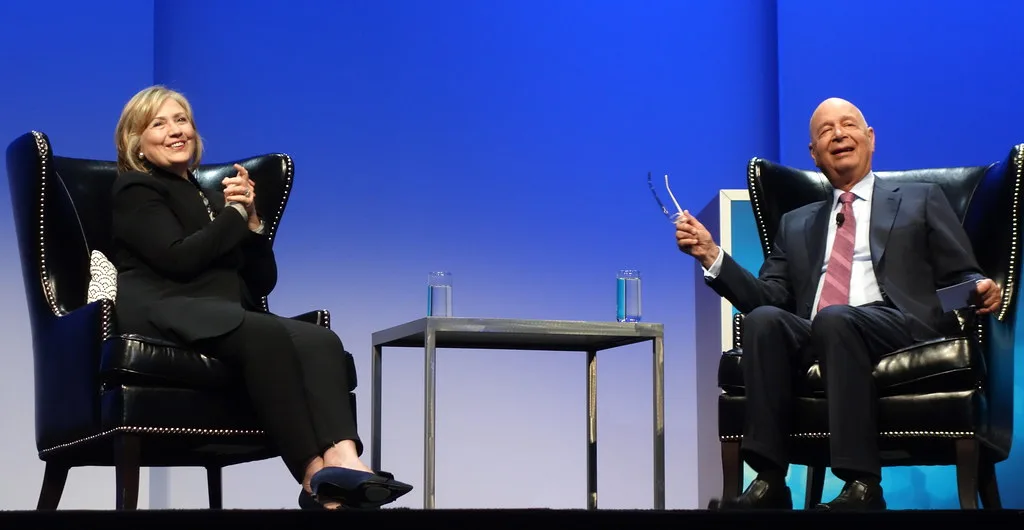
More than 300 business leaders representing 114 global companies gathered this week at Deloitte’s AI Forum 2026 to formalize a critical pivot in the corporate landscape: the transition from experimental AI adoption to a focus on “Return on Intelligence” (ROI). This high-level summit, held in a primary financial hub, addressed the growing demand from shareholders and boards for tangible financial outcomes after three years of intensive investment in generative and predictive technologies. The consensus among participants signals that the era of pilot projects is over, replaced by a rigorous commitment to measurable growth, institutional trust, and sustainable value creation.
The Evolution from Adoption to Integration
For the past several years, enterprises have focused primarily on the technical feasibility of artificial intelligence. According to forum briefings, the period between 2023 and 2025 was characterized by a “land grab” for talent and infrastructure, as companies raced to prove they could implement large language models (LLMs) and automated workflows. However, the 2026 forum highlights a shift in priorities, where the novelty of the technology has been replaced by the necessity of operational excellence.
Contextual data presented at the event suggests that while 85% of large enterprises have integrated some form of AI into their core operations, fewer than 30% have successfully quantified the financial gains directly attributable to these systems. Leaders at the forum argued that the next phase of enterprise maturity requires a move away from siloed applications toward holistic systems that enhance human decision-making and drive top-line revenue growth.
Defining Return on Intelligence
The central theme of the forum—Return on Intelligence—introduces a new framework for evaluating technology. Unlike traditional Return on Investment, which focuses strictly on cost-saving through automation, Return on Intelligence measures the increase in a company’s collective decision-making speed, the accuracy of market predictions, and the agility of its supply chain. Experts noted that companies are now looking at how AI generates “compound knowledge” that stays within the organization even as personnel change.
Key data points shared during the breakout sessions indicated that high-performing firms are shifting their focus toward customer-centric value. By utilizing real-time intelligence, these companies are seeing a 15% increase in customer lifetime value through hyper-personalization. The shift represents a move from defensive AI—used primarily to cut costs—to offensive AI, which is designed to identify new market gaps and accelerate product development cycles.
Trust as a Performance Metric
A significant portion of the forum focused on the intersection of trust and ROI. As AI becomes more autonomous, the risk of technical hallucinations and ethical lapses poses a direct threat to corporate valuation. Deloitte analysts emphasized that “trust is the new currency of the AI economy,” suggesting that without robust governance frameworks, the perceived value of intelligence can vanish overnight due to data breaches or biased algorithmic outcomes.
Industry leaders discussed the implementation of “Trust by Design,” a methodology where ethical considerations and security protocols are baked into the AI development lifecycle. This approach is no longer seen as a regulatory hurdle but as a competitive advantage. Companies that can demonstrate transparent AI processes are reporting higher levels of consumer confidence and faster adoption rates of their digital services compared to those operating in “black box” environments.
Scaling Value Across the Enterprise
The challenge of scaling remains a primary concern for the 114 companies in attendance. While many have achieved success in small-scale deployments, expanding those gains across global operations requires standardized data architectures. Forum participants highlighted that data fragmentation remains the single largest bottleneck to achieving high Return on Intelligence. To combat this, enterprises are increasingly investing in unified data fabrics that allow AI to access high-quality information across disparate departments.
Furthermore, the human element of the ROI equation was a recurring topic. Executives noted that the highest returns are found in organizations where the workforce is actively upskilled to work alongside AI tools. The forum suggested that the goal is not to replace human intelligence but to augment it, creating a symbiotic relationship where employees handle creative strategy while AI manages data synthesis and pattern recognition.
Implications for the Coming Years
The shift toward Return on Intelligence implies a tightening of corporate budgets around speculative tech projects. In the coming twelve to eighteen months, we can expect a consolidation of AI vendors as enterprises prioritize platforms that offer clear, verifiable metrics of success. The focus will likely shift from “how many AI models do we have?” to “how much smarter is our organization becoming?”
Stakeholders should watch for the emergence of new Chief Intelligence Officers whose primary role is to bridge the gap between technical capability and financial performance. As the industry moves forward, the success of an enterprise will increasingly be judged by its ability to convert raw data into actionable intelligence at scale. The next frontier will involve the integration of quantum computing to further accelerate these intelligence cycles, potentially redefining the speed of business competition once again.