




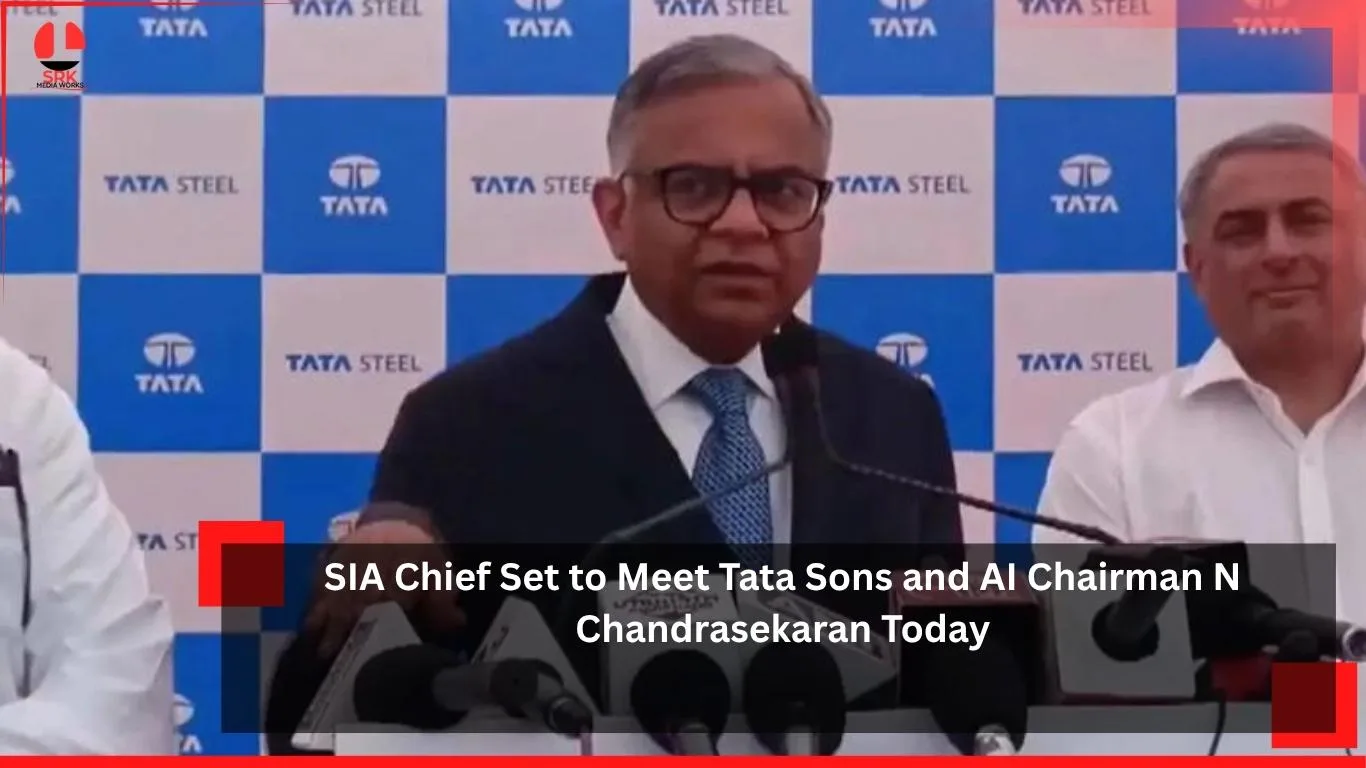
Singapore Airlines (SIA) chief is scheduled to meet Tata Sons and Air India chairman N Chandrasekaran today in Mumbai, a meeting that is expected to shape the future of the airline partnership between SIA and Tata Group. The discussions are likely to focus on strategic alignment, operational synergies, and long-term investment plans, particularly as Air India undergoes a major transformation under Tata’s leadership.
Key Highlights
- Meeting Venue: Mumbai, with top executives from Tata Sons and Air India present.
- Focus Areas: Strategic partnership, fleet expansion, operational efficiency, and customer experience.
- SIA’s Role: Strengthening its joint venture with Tata Group, including Vistara’s integration into Air India.
- Future Outlook: Potential collaboration on international routes, technology adoption, and premium service offerings.
Strategic Context
- Air India Transformation: Tata Sons has embarked on a massive overhaul of Air India, aiming to restore its global reputation.
- Vistara Integration: With Vistara set to merge into Air India, SIA’s stake and role in the partnership are crucial.
- Global Competition: The partnership aims to position Air India as a strong competitor against Middle Eastern and global carriers.
- Customer-Centric Approach: Focus on enhancing passenger experience through premium services and digital innovation.
Comparative Overview of Airline Partnerships
| Partnership | Airlines Involved | Focus Area | Market Impact |
|---|---|---|---|
| Tata Sons & SIA | Air India, Vistara | Integration, premium services | Strengthens India’s global aviation presence |
| Emirates & Qantas | Middle East & Australia | Long-haul connectivity | Expands global route network |
| Delta & Virgin Atlantic | US & UK | Transatlantic routes | Enhances customer options |
| Lufthansa & United | Europe & US | Alliance cooperation | Streamlines operations |
This comparison highlights how the Tata-SIA partnership is positioned among global airline collaborations.
Pivot Analysis: Integration vs. Independent Operations
| Scenario | Business Impact | Customer Impact | Market Impact |
|---|---|---|---|
| Integration executed | Streamlined operations, cost efficiency | Improved services, seamless travel | Stronger global competitiveness |
| Independent operations | Higher costs, fragmented strategy | Limited customer benefits | Weaker global positioning |
The pivot analysis shows why integration and collaboration are critical for Air India’s revival.
Market Context
- India’s Aviation Growth: India is one of the fastest-growing aviation markets, with rising demand for international travel.
- Air India’s Challenge: Competing with global carriers requires modernization and strategic alliances.
- SIA’s Expertise: Brings premium service standards and operational excellence to the partnership.
- Tata’s Vision: To make Air India a world-class airline with strong international presence.
Reactions
- Industry Experts: See the meeting as pivotal for Air India’s transformation journey.
- Investors: Anticipate clarity on SIA’s stake and future role in the merged entity.
- Employees: Expect announcements on integration timelines and operational changes.
- Customers: Hope for improved services, better connectivity, and enhanced travel experiences.
Broader Implications
The meeting between SIA chief and Tata Sons leadership reflects the importance of global partnerships in reshaping India’s aviation sector.
- Economic Impact: Strengthened airline operations contribute to tourism and trade growth.
- Global Positioning: Air India could emerge as a strong competitor in international aviation.
- Innovation: Collaboration may drive adoption of advanced technologies and sustainable practices.
- Customer Benefits: Enhanced connectivity and premium services improve India’s aviation reputation.
Conclusion
The scheduled meeting between Singapore Airlines chief and Tata Sons chairman N Chandrasekaran marks a crucial step in the evolution of India’s aviation industry. With Air India undergoing a historic transformation, the partnership with SIA is expected to play a defining role in shaping its global future. The outcome of these discussions could set the tone for Air India’s resurgence as a world-class airline, delivering value to passengers, investors, and the broader aviation ecosystem.
Disclaimer
This article is a journalistic analysis created for informational purposes. It does not represent official corporate statements or financial disclosures. Readers are encouraged to consult multiple perspectives for updates. The content is intended for educational and news reporting use only, without endorsing any airline or corporate entity.