




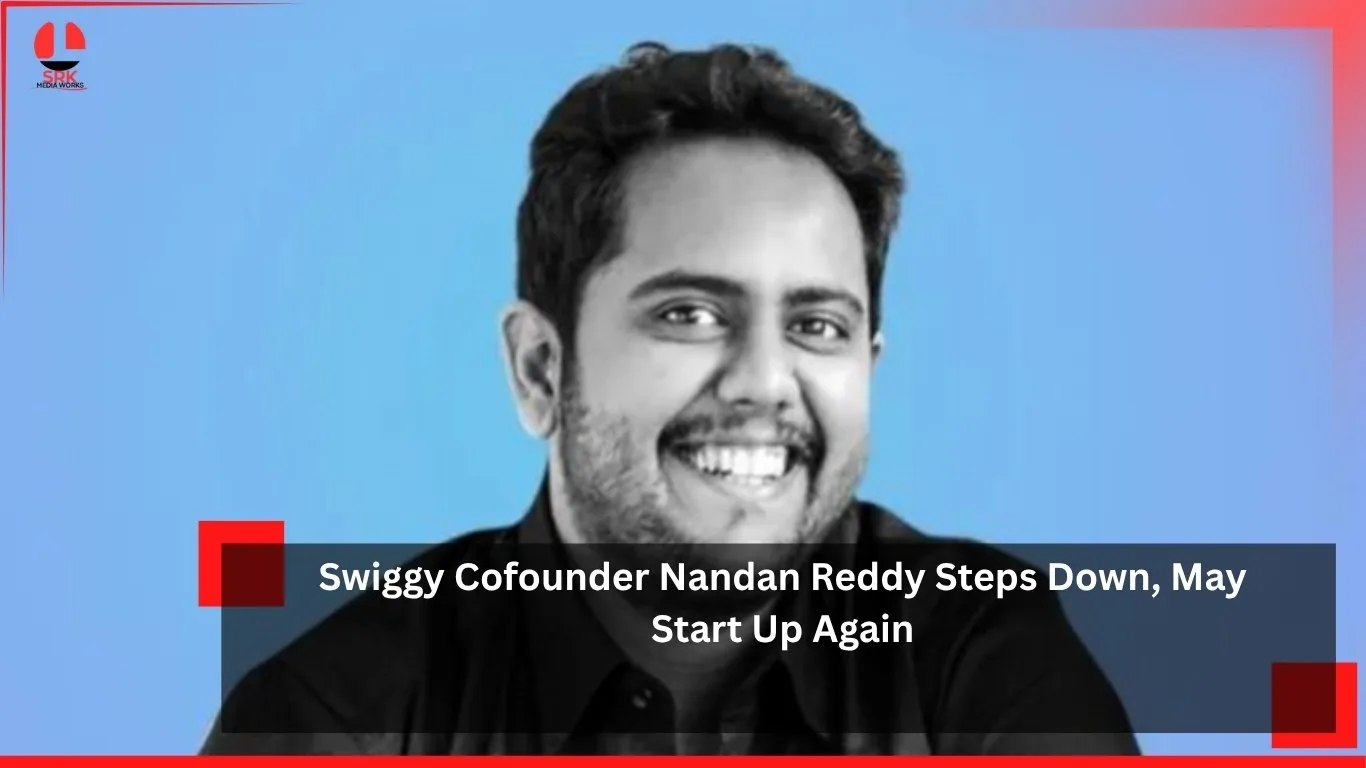
Swiggy cofounder Nandan Reddy has announced his decision to step down from the food delivery giant, sparking speculation that he may soon embark on a new entrepreneurial journey. Reddy, who played a pivotal role in building Swiggy into one of India’s most successful startups, leaves behind a legacy of innovation and disruption in the food-tech industry.
Nandan Reddy’s Journey with Swiggy
- Founding Vision: Alongside Sriharsha Majety and Rahul Jaimini, Reddy co-founded Swiggy in 2014, aiming to revolutionize food delivery in India.
- Scaling Operations: He was instrumental in expanding Swiggy’s logistics network, ensuring timely deliveries across cities.
- Diversification: Under his leadership, Swiggy moved beyond food delivery into grocery and convenience services.
- Tech Integration: Reddy championed the use of technology to streamline operations and enhance customer experience.
Why the Exit Now?
Industry insiders suggest that Reddy’s departure comes at a time when Swiggy is consolidating its operations and preparing for a potential IPO. His exit may allow him to explore fresh opportunities in India’s booming startup ecosystem.
Comparative Analysis of Cofounder Exits in Indian Startups
| Startup | Cofounder Exit | Reason | Impact |
|---|---|---|---|
| Swiggy | Nandan Reddy | Exploring new ventures | Speculation of fresh startup |
| Flipkart | Sachin Bansal | Post Walmart acquisition | Shift in leadership structure |
| Ola | Ankit Bhati | Focus on personal projects | Bhavish Aggarwal took full charge |
| Zomato | Pankaj Chaddah | New entrepreneurial pursuits | Deepinder Goyal continued leadership |
| Paytm | Harinder Takhar (early team) | Global opportunities | Vijay Shekhar Sharma remained CEO |
This comparison shows how cofounder exits often lead to new entrepreneurial ventures while companies continue to thrive under remaining leadership.
Pivot Analysis: Swiggy After Reddy’s Exit
| Dimension | Before Exit | After Exit | Implications |
|---|---|---|---|
| Leadership | Shared among cofounders | Majety leads consolidation | Streamlined decision-making |
| Innovation | Cofounder-driven | New leadership focus | Potential shift in strategy |
| Market Position | Strong in food delivery | Continued dominance | IPO prospects intact |
| Startup Ecosystem | Cofounder active | Possible new venture | Adds dynamism to ecosystem |
What’s Next for Nandan Reddy?
Speculation is rife that Reddy may launch a new startup, possibly in the areas of sustainability, logistics, or consumer technology. His track record suggests he will continue to innovate and disrupt whichever sector he chooses.
Impact on Swiggy
- Operational Continuity: Swiggy remains strong under CEO Sriharsha Majety.
- IPO Prospects: The company is expected to move forward with its public listing plans.
- Market Confidence: Investors remain optimistic about Swiggy’s growth trajectory.
Broader Implications for Indian Startups
Reddy’s exit highlights a common trend in India’s startup ecosystem, where cofounders often move on to pursue new ventures after scaling their companies. This cycle of innovation fuels the ecosystem, creating new opportunities and inspiring future entrepreneurs.
Possible Outcomes
- New Startup: Reddy launches a new venture, adding to India’s unicorn pipeline.
- Investor Role: He may become an angel investor, supporting early-stage startups.
- Global Expansion: Reddy could explore opportunities outside India.
- Advisory Role: He may mentor young entrepreneurs, sharing his experience.
Conclusion
Nandan Reddy’s decision to step down from Swiggy marks the end of a significant chapter in India’s food-tech story. His contributions helped shape Swiggy into a household name, and his next move is eagerly awaited by the startup community. Whether he launches a new venture or supports others, Reddy’s influence on India’s entrepreneurial landscape is set to continue.
Disclaimer: This article is based on reported developments and industry analysis. It does not endorse any specific company or individual. The content is intended for informational purposes only, highlighting trends in the startup ecosystem. Readers should interpret the situation within the broader framework of entrepreneurial growth in India.