




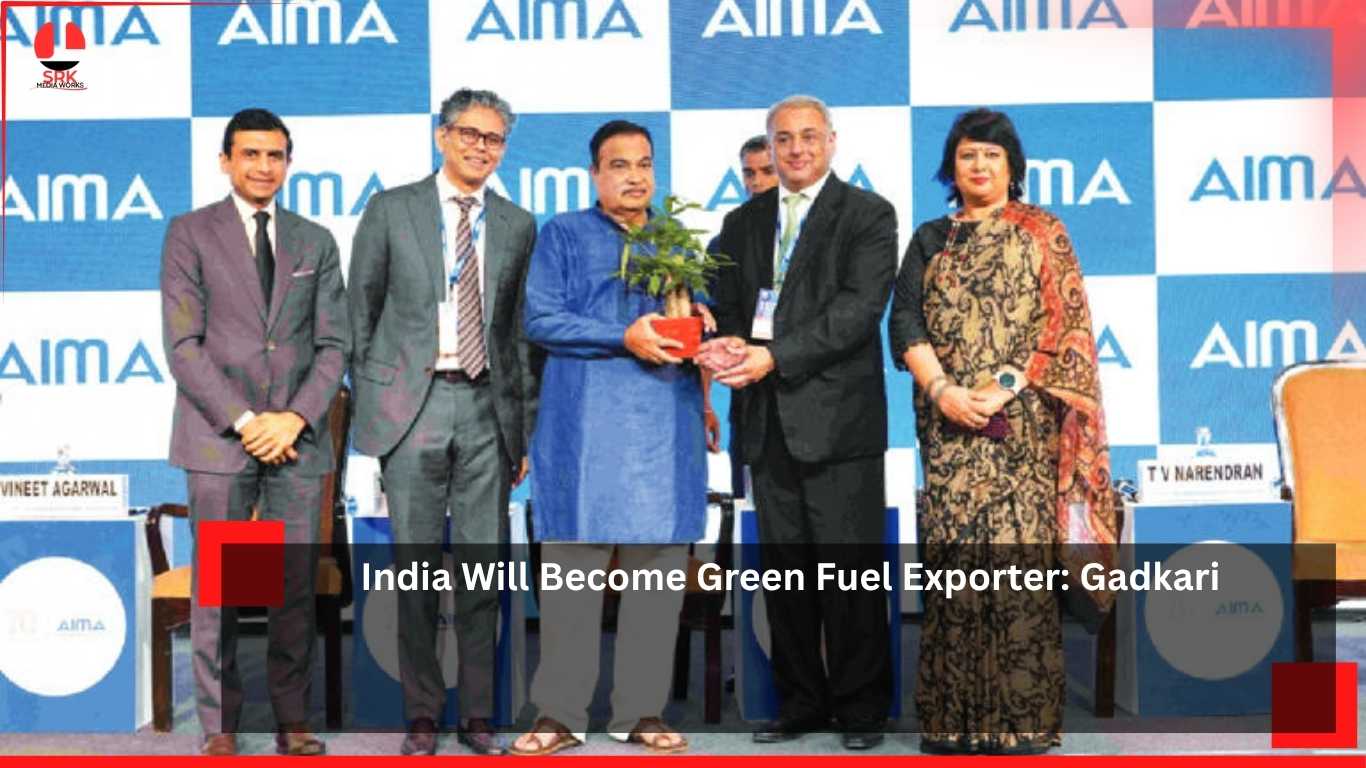
Union Minister Nitin Gadkari has declared that India is on track to become a global exporter of green fuel, marking a transformative step in the country’s energy and environmental strategy. His statement reflects the government’s commitment to renewable energy, sustainable transport, and reducing dependence on fossil fuels.
India’s Green Fuel Vision
- Strategic Goal: Position India as a leading supplier of green hydrogen, ethanol, and biofuels.
- Policy Push: Government initiatives to promote renewable energy and alternative fuels.
- Global Market: Rising demand for clean energy solutions worldwide creates export opportunities.
Key Green Fuel Initiatives
| Fuel Type | Current Status | Export Potential |
|---|---|---|
| Green Hydrogen | Pilot projects underway | High demand in Europe, Japan |
| Ethanol | Blending program expanded | Export to Asia and Africa |
| Bio-CNG | Growing adoption in transport | Regional trade opportunities |
| Biodiesel | Limited production | Potential for niche exports |
Economic Implications
- Reduced Oil Imports: Green fuel production will cut India’s reliance on crude oil.
- Job Creation: Renewable energy projects generate employment in rural and urban areas.
- Foreign Exchange: Exporting green fuel strengthens India’s trade balance.
Economic Impact Analysis
| Factor | Domestic Benefit | Global Effect |
|---|---|---|
| Oil Import Savings | Lower expenditure | Reduced global demand |
| Employment | New jobs in energy sector | Skilled labor opportunities |
| Trade Balance | Improved forex reserves | Stronger global partnerships |
Environmental Benefits
- Carbon Reduction: Green fuels significantly cut greenhouse gas emissions.
- Cleaner Transport: Adoption in vehicles reduces urban pollution.
- Sustainable Growth: Supports India’s climate commitments under global accords.
Global Praise and Partnerships
- International Recognition: India’s green fuel roadmap has been praised by global energy agencies.
- Collaborations: Partnerships with Europe, Japan, and the US for technology exchange.
- Export Markets: Africa and Southeast Asia identified as key destinations.
Comparative Pivot Analysis
| Dimension | India’s Strategy | Global Response | Future Outlook |
|---|---|---|---|
| Political | Policy-driven push | Positive recognition | Stronger global role |
| Economic | Export potential | Market interest | Trade expansion |
| Environmental | Carbon reduction | Global climate support | Sustainable leadership |
| Social | Job creation | International cooperation | Youth engagement in green tech |
Challenges Ahead
- Infrastructure: Need for large-scale production and distribution facilities.
- Technology: Advanced R&D required for cost-effective green hydrogen.
- Global Competition: Other nations also racing to dominate green fuel exports.
Conclusion
India’s ambition to become a green fuel exporter, as highlighted by Nitin Gadkari, represents a bold step toward sustainable energy leadership. With strong policy support, technological innovation, and global demand, India is poised to transform its energy landscape while contributing to global climate goals. The journey will require overcoming infrastructure and technological challenges, but the potential rewards are immense for both the economy and the environment.
Disclaimer
This article is based on available information and policy analysis. It does not represent official government positions or verified international agreements. Readers are advised to treat the content as an overview of claims and perspectives, and to consult multiple sources before drawing conclusions about sensitive energy and trade developments.