





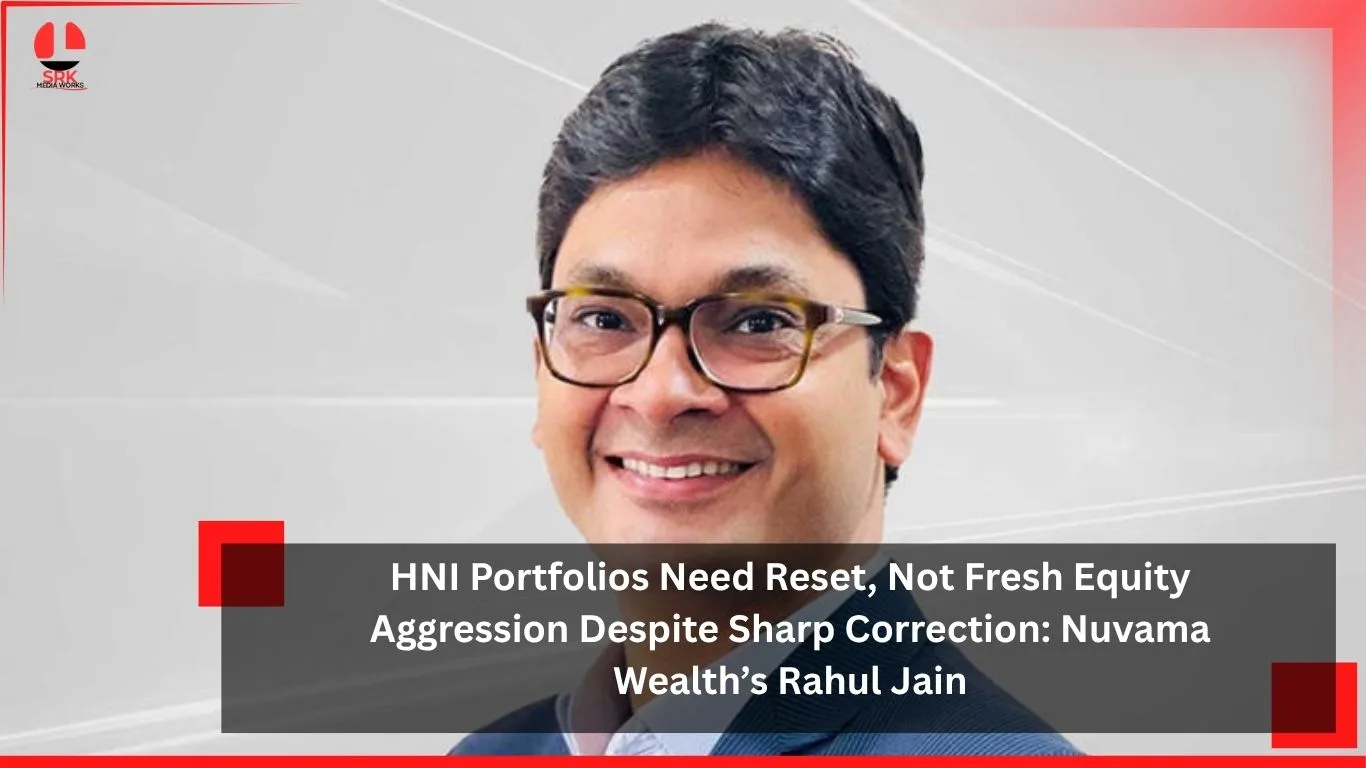
In the wake of recent market volatility and sharp corrections, Nuvama Wealth’s Rahul Jain has emphasized that High Net Worth Individuals (HNIs) should focus on resetting their portfolios rather than rushing into fresh equity aggression. His perspective highlights the importance of strategic rebalancing, risk management, and long-term wealth preservation over reactionary moves driven by short-term market swings.
Background of the Market Correction
Global and domestic equity markets have witnessed sharp corrections due to a combination of factors:
- Rising interest rates and inflationary pressures.
- Geopolitical tensions affecting investor sentiment.
- Volatility in commodity prices.
- Concerns over corporate earnings and sectoral growth.
HNIs, who often hold significant exposure to equities, have been particularly impacted. The temptation to double down on equity investments during corrections is strong, but Jain advises caution.
Rahul Jain’s Perspective
Rahul Jain, President of Nuvama Wealth, believes that portfolio resets are more effective than aggressive equity bets in uncertain times. His key points include:
- Risk Management: Rebalancing portfolios to align with risk tolerance.
- Diversification: Ensuring exposure across asset classes like debt, gold, and alternative investments.
- Long-Term Focus: Avoiding knee-jerk reactions to short-term market movements.
- Capital Preservation: Protecting wealth during volatile phases rather than chasing aggressive returns.
Comparative Analysis of HNI Strategies
| Strategy | Aggressive Equity Approach | Portfolio Reset Approach |
|---|---|---|
| Risk Exposure | High | Balanced |
| Short-Term Returns | Potentially high | Moderate, stable |
| Long-Term Sustainability | Questionable | Strong |
| Stress on Liquidity | Significant | Controlled |
| Alignment with Goals | Often misaligned | Goal-oriented |
Pivot Analysis of HNI Portfolio Management
| Factor | Before Market Correction | After Market Correction |
|---|---|---|
| Equity Allocation | Overweight | Needs rebalancing |
| Debt Instruments | Underutilized | Increased importance |
| Alternative Assets | Limited focus | Growing relevance |
| Risk Appetite | Aggressive | Moderated |
| Wealth Preservation | Secondary | Primary |
Importance of Portfolio Reset
A portfolio reset involves reviewing current allocations, identifying imbalances, and realigning investments with long-term objectives. For HNIs, this means:
- Reducing overexposure to volatile equities.
- Increasing allocation to debt instruments for stability.
- Considering gold and real estate as hedges.
- Exploring alternative investments like private equity or structured products.
Expert and Market Reactions
- Wealth Managers: Many agree with Jain’s view, emphasizing discipline over aggression.
- HNIs: Some investors are cautious, preferring to wait for stability before making moves.
- Analysts: Highlight that corrections are opportunities, but only for those with balanced strategies.
- Media: Coverage has focused on the need for prudent wealth management amid volatility.
Challenges Ahead for HNIs
HNIs face several challenges in the current environment:
- Volatility: Managing portfolios amid unpredictable swings.
- Inflation: Preserving real returns against rising costs.
- Global Uncertainty: Navigating geopolitical risks.
- Liquidity Needs: Ensuring funds are available for personal and business requirements.
Broader Implications for Wealth Management
This debate underscores broader themes in wealth management:
- Discipline vs. Aggression: Sustainable wealth requires discipline, not impulsive moves.
- Diversification: Asset allocation across classes is critical.
- Risk Awareness: Understanding personal risk tolerance is essential.
- Long-Term Vision: Wealth strategies must align with future goals, not short-term gains.
Conclusion
Rahul Jain’s advice to HNIs reflects a pragmatic approach to wealth management in volatile times. Rather than chasing aggressive equity bets after sharp corrections, resetting portfolios ensures stability, diversification, and alignment with long-term objectives. For HNIs, the lesson is clear: wealth preservation and disciplined strategy outweigh the allure of quick gains.
Disclaimer
This article is intended for informational purposes only. It is based on publicly available insights and does not represent official investment advice. Readers should consult professional financial advisors before making portfolio decisions.