



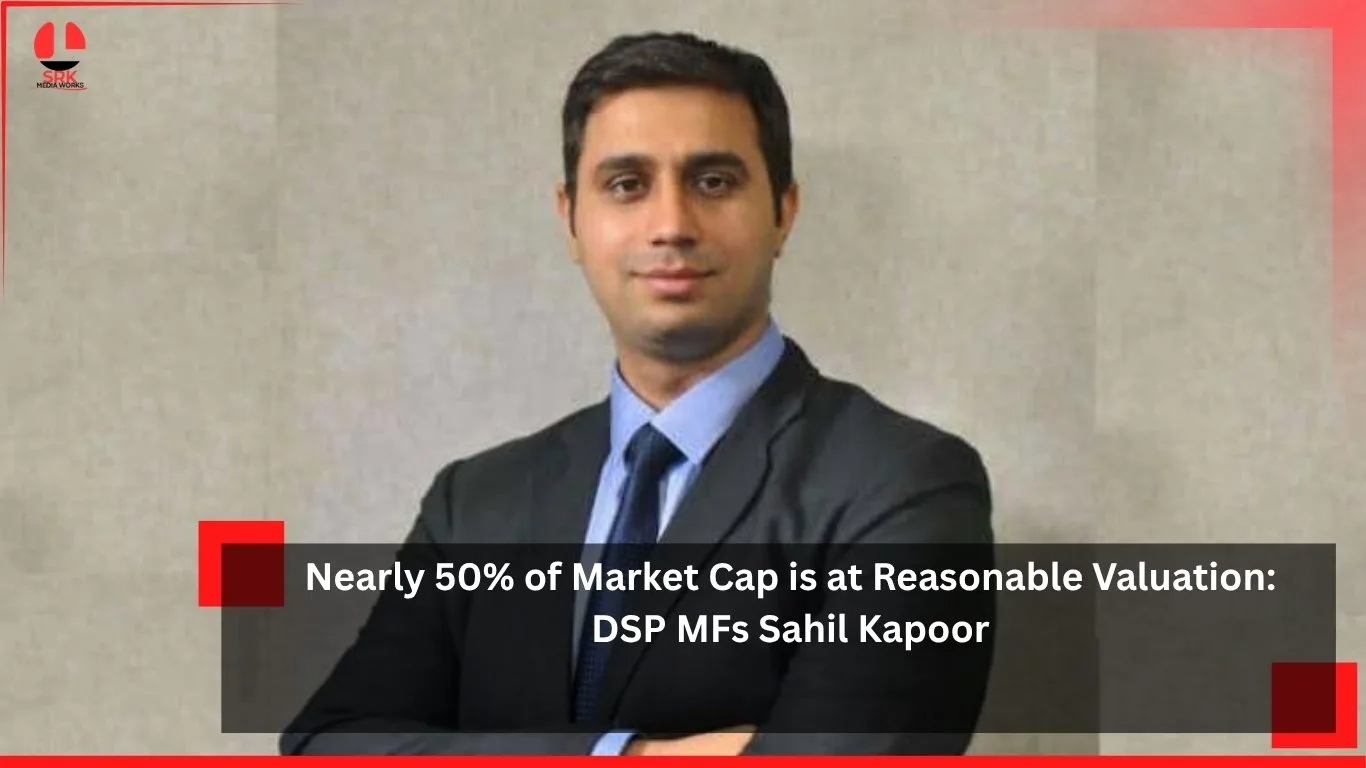
The Indian equity market has been buzzing with discussions around valuations, and Sahil Kapoor, Chief Market Strategist at DSP Mutual Fund, has offered a striking perspective. According to Kapoor, nearly 50% of the market capitalization is currently trading at reasonable valuations, suggesting that investors still have ample opportunities to allocate capital wisely despite the broader perception of stretched valuations in certain sectors.
Understanding the Context
The Indian stock market has witnessed significant growth over the past few years, driven by strong corporate earnings, retail participation, and global liquidity. However, concerns about overvaluation have persisted, particularly in sectors like technology and consumer goods. Kapoor’s statement provides a balanced view, highlighting that while some pockets are expensive, a large portion of the market remains fairly priced.
Sector-Wise Valuation Analysis
| Sector | Current Valuation Status | Investor Outlook |
|---|---|---|
| Banking & Finance | Reasonable | Positive |
| IT & Technology | Expensive | Cautious |
| FMCG | Premium | Neutral |
| Infrastructure | Reasonable | Growth-oriented |
| Pharma | Mixed | Selective |
Kapoor emphasized that sectors like banking, infrastructure, and select industrials are trading at valuations that offer long-term value, while IT and FMCG remain relatively expensive compared to historical averages.
Market Cap Distribution
Kapoor’s observation that nearly half of the market cap is at reasonable valuation is based on a detailed analysis of listed companies.
| Market Segment | Percentage of Market Cap | Valuation Status |
|---|---|---|
| Large Cap | 50% | Reasonable |
| Mid Cap | 30% | Mixed |
| Small Cap | 20% | Expensive |
This distribution suggests that investors focusing on large-cap companies may find better value compared to mid- and small-cap segments, which have seen sharp rallies.
Investor Sentiment
| Sentiment Category | Percentage |
|---|---|
| Optimistic | 45% |
| Cautious | 35% |
| Neutral | 15% |
| Bearish | 5% |
Retail investors remain optimistic, while institutional investors are adopting a cautious stance, balancing growth opportunities with valuation risks.
Lessons for Investors
Kapoor’s insights underline several key lessons for investors:
- Diversification: Avoid concentrating investments in overheated sectors.
- Focus on Value: Large-cap and infrastructure stocks may offer better entry points.
- Long-Term Perspective: Reasonable valuations provide opportunities for wealth creation over time.
- Selective Approach: Not all sectors are equally attractive; careful stock selection is crucial.
Comparing Current Valuations with Past Market Cycles
| Year | Market Condition | Valuation Trend | Outcome |
|---|---|---|---|
| 2008 | Global Financial Crisis | Overvalued pre-crisis | Sharp correction |
| 2013 | Recovery Phase | Reasonable valuations | Gradual growth |
| 2020 | Pandemic Shock | Mixed valuations | Volatile rebound |
| 2026 | Current Scenario | 50% reasonable valuations | Balanced outlook |
This comparison shows that markets often oscillate between extremes, but reasonable valuations provide a cushion against sharp downturns.
Broader Implications
Kapoor’s statement also has implications for mutual fund investors. DSP Mutual Fund, like other asset managers, is likely to focus on sectors and companies where valuations align with long-term fundamentals. This could influence portfolio strategies and asset allocation in the coming quarters.
Conclusion
Sahil Kapoor’s observation that nearly 50% of the market cap is at reasonable valuation offers a reassuring perspective for investors navigating uncertain times. While certain sectors remain expensive, the broader market continues to provide opportunities for disciplined, long-term investing. The key lies in identifying value pockets and maintaining a balanced portfolio strategy.
Disclaimer
This article is based on publicly available financial insights and market discussions. It is intended for informational and SEO purposes only. The content does not represent official investment advice from DSP Mutual Fund or any financial institution. Readers should consult certified financial advisors before making investment decisions.