



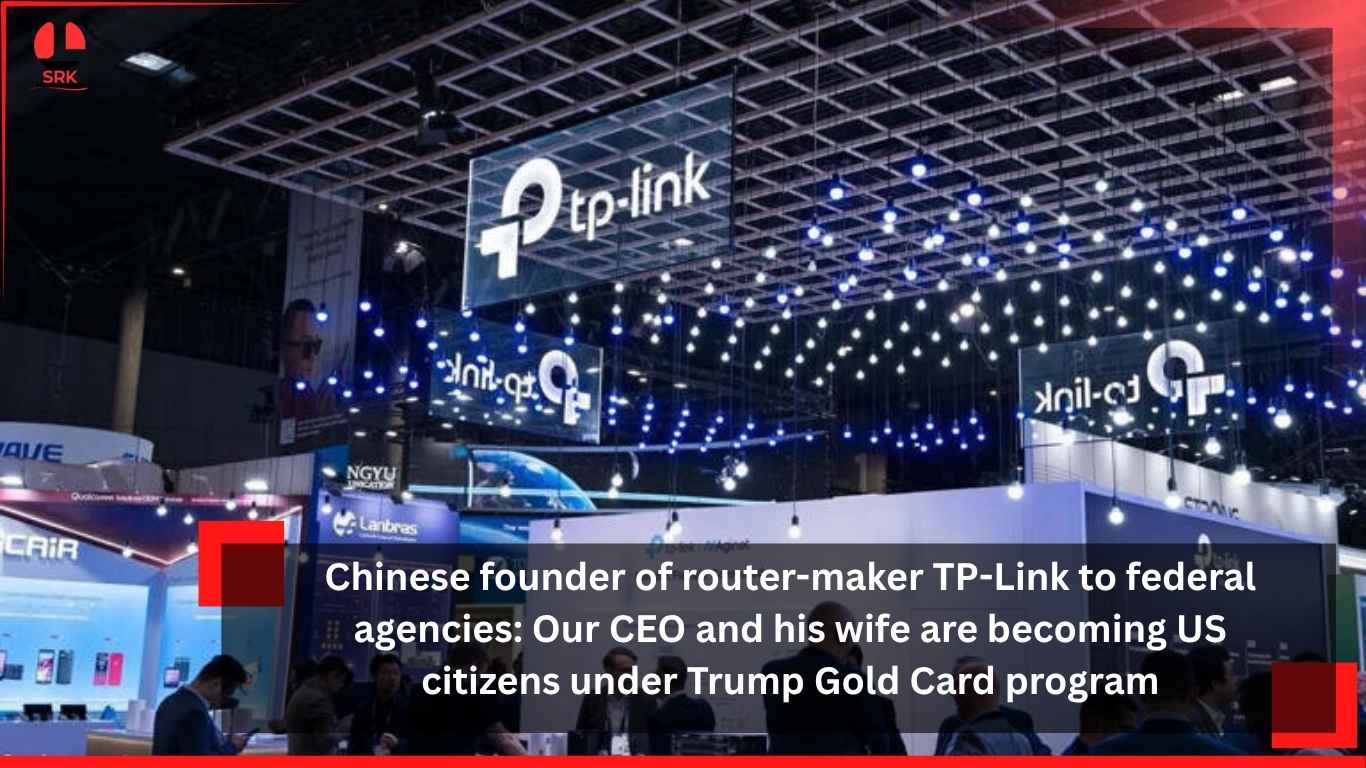
The Chinese founder of TP-Link, one of the world’s largest router and networking equipment manufacturers, has formally informed US federal agencies that the company’s Chief Executive Officer and his wife are in the process of becoming American citizens under the Trump administration’s Gold Card program. This announcement has sparked widespread interest in both technology and political circles, given TP-Link’s global presence and the geopolitical sensitivities surrounding Chinese technology firms.
Background on TP-Link
Founded in 1996, TP-Link has grown into a global leader in networking devices, including routers, switches, and smart home products. Headquartered in Shenzhen, China, the company has expanded its footprint across more than 170 countries.
- Core Products: Routers, Wi-Fi extenders, smart plugs, IoT devices
- Global Reach: Over 1 billion devices shipped worldwide
- Market Position: Among the top three router manufacturers globally
The Trump Gold Card Program
The Gold Card program, introduced under the Trump administration, is designed to attract high-net-worth individuals, entrepreneurs, and innovators to the United States. It offers a fast-track pathway to citizenship for those who can demonstrate significant contributions to business, technology, or investment.
Key features include:
- Accelerated citizenship process
- Tax incentives for investments in US businesses
- Residency benefits for family members
- Strategic focus on technology and innovation leaders
Why This Move Matters
The decision by TP-Link’s CEO and his wife to pursue US citizenship under this program carries multiple implications:
- Geopolitical Significance: Amid ongoing tensions between the US and China over technology and trade, the move signals a shift in corporate alignment.
- Business Strategy: US citizenship could ease regulatory scrutiny and open doors for TP-Link in government contracts and partnerships.
- Investor Confidence: The announcement may reassure global investors about TP-Link’s long-term commitment to the US market.
Market and Industry Impact
| Factor | Short-Term Impact | Long-Term Impact |
|---|---|---|
| Investor Sentiment | Positive boost | Stable confidence |
| Regulatory Scrutiny | Reduced | Favorable outlook |
| US Market Expansion | Accelerated | Strong growth |
| China Relations | Sensitive | Potential strain |
Comparative Analysis of Tech Leaders Using Residency Programs
| Company Leader | Program Used | Country of Origin | Strategic Outcome |
|---|---|---|---|
| TP-Link CEO | Trump Gold Card Program | China | US citizenship, market expansion |
| Huawei executives | Local residency permits | China | Limited global access |
| ByteDance founders | Overseas investor visas | China | Diversified global presence |
| Lenovo leadership | Traditional immigration | China | Stable but slower integration |
This comparison highlights how TP-Link’s leadership is leveraging a unique US program to accelerate integration into Western markets.
Pivot Analysis of TP-Link’s Strategic Move
| Dimension | Impact on TP-Link | Impact on US Market |
|---|---|---|
| Regulatory Compliance | Easier approvals | Increased trust |
| Market Expansion | Stronger presence | More competition |
| Innovation Potential | Enhanced R&D | Access to global talent |
| Geopolitical Relations | Sensitive shift | Strategic leverage |
Broader Implications
- For US Tech Policy: The move aligns with Washington’s efforts to attract global innovators and reduce reliance on Chinese-controlled firms.
- For Chinese Tech Industry: It raises questions about loyalty and the future of Chinese-founded companies seeking Western integration.
- For Global Investors: Citizenship under the Gold Card program may reduce risks associated with geopolitical tensions.
Investor Outlook
Analysts believe TP-Link’s leadership shift could strengthen the company’s US operations, particularly in areas like smart home technology and enterprise networking. While geopolitical sensitivities remain, the long-term outlook is positive, with potential for increased collaborations and reduced regulatory hurdles.
Conclusion
The announcement that TP-Link’s CEO and his wife are becoming US citizens under the Trump Gold Card program marks a significant milestone in the intersection of technology, business, and geopolitics. It underscores the importance of global mobility for corporate leaders and highlights how strategic citizenship decisions can reshape business trajectories.
Disclaimer: This article is for informational purposes only and should not be considered legal, political, or investment advice. Citizenship programs and corporate strategies are subject to policy changes, regulatory approvals, and geopolitical factors. Readers are advised to consult official government sources and financial experts before drawing conclusions.