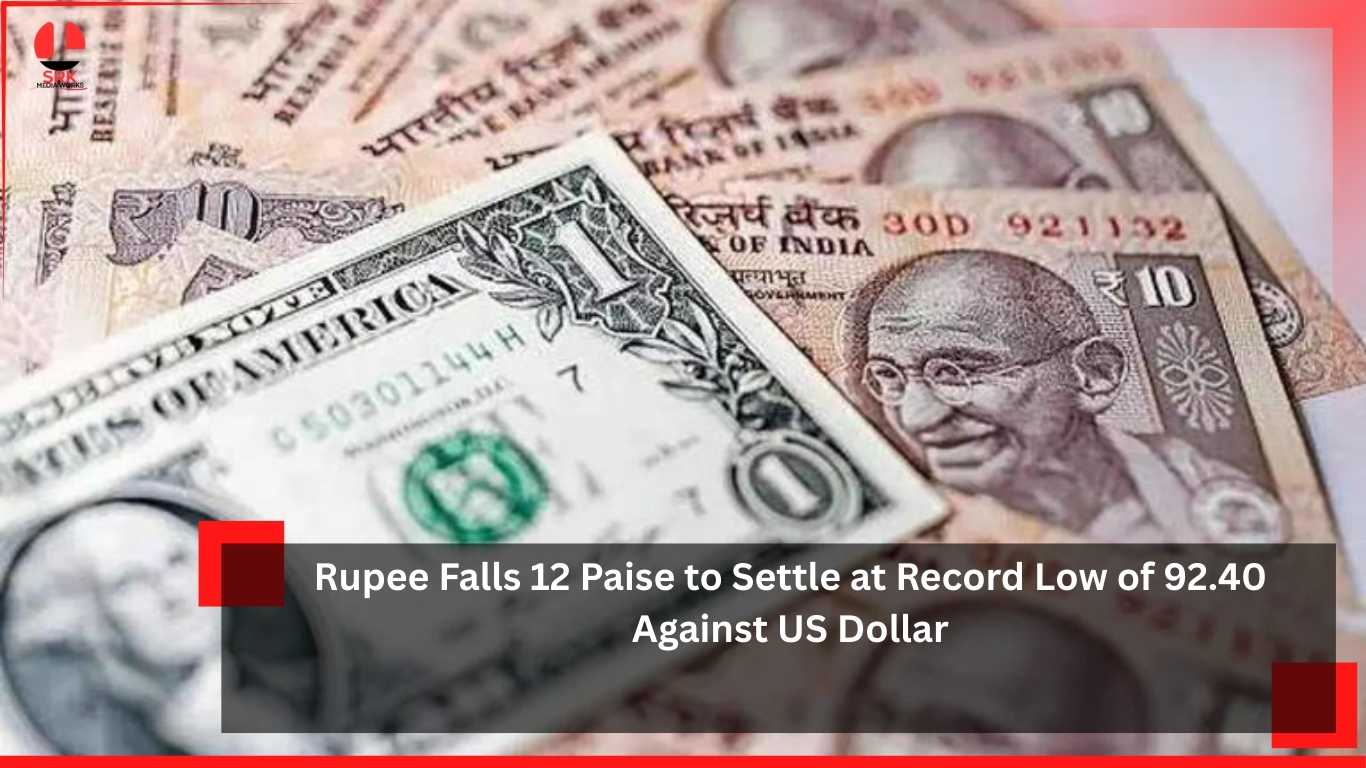





The Indian rupee has plunged to an all-time low against the US dollar, sparking concerns across financial markets, businesses, and households. The depreciation reflects a mix of global and domestic pressures, including surging crude oil prices, foreign capital outflows, and the strengthening of the US dollar amid geopolitical tensions.
Key Drivers Behind the Rupee’s Decline
1. Crude Oil Surge
- Brent crude has crossed the $100 per barrel mark, sharply increasing India’s import bill.
- As India imports nearly 85% of its oil needs, higher prices worsen the trade deficit and fuel inflation.
2. Geopolitical Tensions
- Conflicts in West Asia have disrupted energy markets, pushing investors toward safe-haven assets like the US dollar.
- This shift has weakened emerging market currencies, including the rupee.
3. Foreign Capital Outflows
- Foreign Institutional Investors (FIIs) have withdrawn funds from Indian equities and bonds.
- Rising US interest rates and dollar strength have accelerated capital flight.
4. Stronger US Dollar
- The US dollar index has surged as global investors seek safety.
- This has created depreciation pressure on most Asian currencies, with the rupee among the hardest hit.
5. Domestic Inflation Concerns
- Rising fuel costs are feeding into transportation and food inflation.
- Inflationary pressures raise fears of monetary tightening, adding stress to the currency.
Comparative Analysis of Rupee Drivers
| Factor | Impact on Rupee | Economic Consequence |
|---|---|---|
| Crude Oil Prices | Higher import bill | Widening trade deficit |
| Geopolitical Tensions | Safe-haven dollar demand | Currency volatility |
| Foreign Capital Outflows | Reduced inflows | Pressure on forex reserves |
| Strong US Dollar | Global currency weakness | Rupee depreciation |
| Domestic Inflation | Rising costs | Monetary policy tightening |
Pivot Analysis: Short-Term vs. Long-Term Impact
| Dimension | Short-Term Impact | Long-Term Impact |
|---|---|---|
| Inflation | Immediate rise in consumer prices | Structural inflation if oil remains high |
| Fiscal Stability | Higher subsidies, budget strain | Need for energy diversification |
| Trade Balance | Worsening deficits | Push toward renewable energy investments |
| Currency Stability | Depreciation pressures | Potential policy-driven stabilization |
| Industrial Growth | Slower output | Transition to cleaner energy sources |
Broader Implications for India
The rupee’s fall carries significant implications:
- Economic Growth Risks: Rising costs may slow industrial output and consumer demand.
- Energy Security Concerns: Heavy reliance on imports exposes India to global volatility.
- Policy Challenges: The government must balance subsidies with fiscal discipline.
- Global Positioning: India may accelerate renewable energy adoption to reduce dependency.
Challenges Ahead
- Volatility in global oil markets beyond India’s control.
- Balancing short-term relief with long-term sustainability.
- Ensuring affordability for consumers while protecting fiscal health.
- Coordinating monetary and fiscal policies to stabilize the rupee.
Future Outlook
If oil prices remain elevated and global uncertainties persist, India could witness:
- Accelerated investments in renewable energy and electric mobility.
- Greater emphasis on building strategic oil reserves.
- Policy reforms to stabilize inflation and currency volatility.
- Stronger regional cooperation to mitigate energy risks.
The rupee’s record low highlights the vulnerability of India’s economy to global shocks, underscoring the urgent need for structural reforms and energy diversification.
Disclaimer
This article is intended for informational purposes only. It highlights recent developments regarding the rupee’s depreciation against the US dollar and the key drivers behind it. The content does not constitute financial advice, investment recommendations, or official government statements. Readers should independently verify details before making financial or business decisions.