





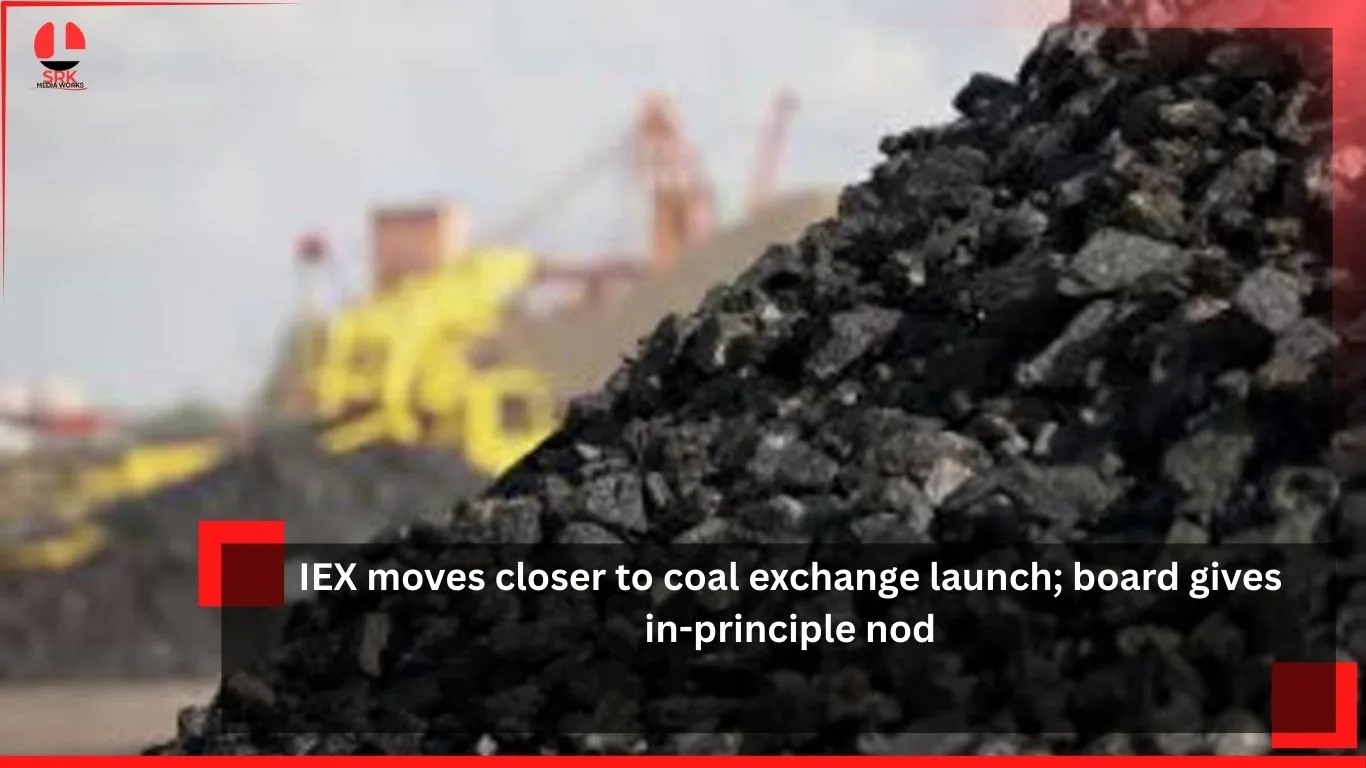
India’s energy sector is on the brink of a major transformation as the Indian Energy Exchange (IEX) has moved closer to launching a coal exchange, with its board granting in-principle approval. This development marks a significant milestone in the country’s efforts to modernize coal trading, improve transparency, and streamline supply chains for one of its most critical energy resources.
Strategic Importance of the Coal Exchange
Coal remains a backbone of India’s energy mix, powering thermal plants that generate a majority of the country’s electricity. However, coal trading has historically faced challenges such as supply bottlenecks, lack of transparency, and price volatility. The proposed coal exchange aims to address these issues by:
- Creating a transparent platform for coal trading.
- Ensuring fair price discovery through competitive bidding.
- Reducing inefficiencies in coal allocation and distribution.
- Enhancing accountability in coal supply chains.
This initiative aligns with India’s broader energy reforms, which focus on efficiency, sustainability, and modernization of resource management.
IEX’s Role in Energy Market Transformation
IEX has already established itself as a leader in electricity and renewable energy trading. By venturing into coal exchange operations, it seeks to:
- Diversify its portfolio beyond electricity and green energy.
- Provide a unified marketplace for energy commodities.
- Strengthen India’s energy security by streamlining coal supply.
- Support industries dependent on coal, including power, steel, and cement.
The coal exchange will complement IEX’s existing platforms, creating a holistic ecosystem for energy trading in India.
Comparative Analysis of Coal Exchange Benefits
| Aspect | Current Coal Trading Challenges | Coal Exchange Solutions |
|---|---|---|
| Transparency | Limited visibility in pricing | Competitive bidding ensures fair price discovery |
| Efficiency | Delays in allocation and supply | Streamlined digital platform reduces bottlenecks |
| Accountability | Manual processes, limited oversight | Automated systems enhance accountability |
| Market Access | Restricted to select buyers | Wider participation across industries |
| Sustainability | Inefficient resource use | Optimized allocation reduces wastage |
Pivot Analysis: Market Impact vs. Policy Impact
| Dimension | Market Impact | Policy Impact |
|---|---|---|
| Price Discovery | Transparent, competitive pricing | Supports government’s energy reform agenda |
| Supply Chain Efficiency | Faster coal allocation | Aligns with national energy security goals |
| Industrial Benefits | Reliable coal supply for power, steel, cement | Strengthens India’s industrial competitiveness |
| Environmental Considerations | Potential for better resource management | Encourages cleaner and more efficient coal use |
| Long-Term Sustainability | Stable coal market | Policy framework for balanced energy mix |
Broader Implications for India
The coal exchange initiative carries wide-ranging implications:
- Economic Growth: Efficient coal trading supports industries, boosts productivity, and reduces costs.
- Energy Security: Transparent allocation ensures reliable supply for power generation.
- Industrial Competitiveness: Steel, cement, and other sectors benefit from stable coal access.
- Global Positioning: India sets an example for modernizing resource trading in emerging economies.
Challenges Ahead
Despite the promise, several challenges must be addressed:
- Ensuring participation from both public and private coal suppliers.
- Integrating logistics and transportation networks with the exchange.
- Balancing coal trading with India’s renewable energy transition.
- Managing regulatory compliance and stakeholder interests.
Future Outlook
The in-principle nod from IEX’s board is a crucial step toward operationalizing the coal exchange. Over the next few years, India could witness:
- A fully functional coal trading platform integrated with digital technologies.
- Improved efficiency in coal supply chains.
- Enhanced transparency benefiting both suppliers and consumers.
- A balanced energy ecosystem where coal and renewables coexist strategically.
This initiative not only strengthens India’s energy infrastructure but also positions the country as a pioneer in modern commodity trading.
Disclaimer
This article is intended for informational purposes only. It highlights recent developments regarding the Indian Energy Exchange’s coal exchange initiative. The content does not constitute financial advice, investment recommendations, or official corporate statements. Readers should independently verify details before making financial or business decisions.