


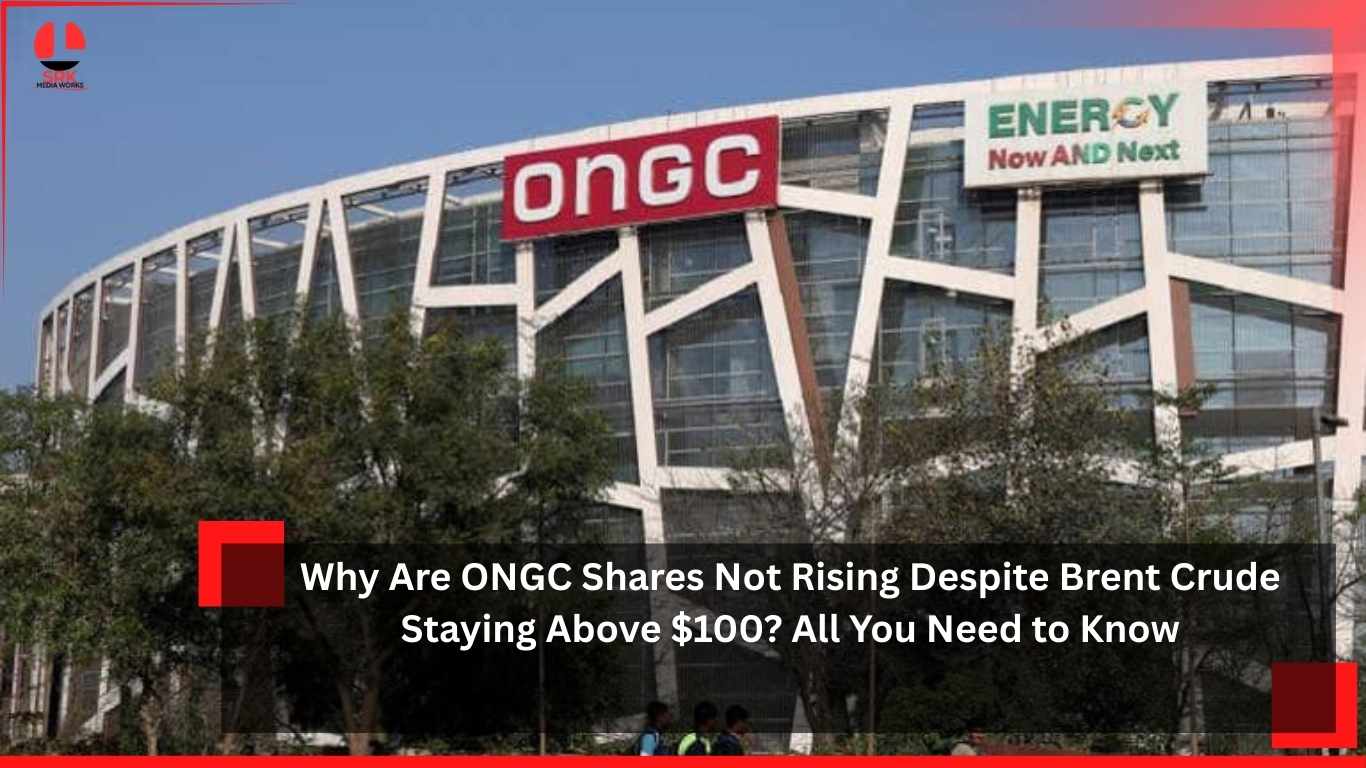
Oil and Natural Gas Corporation (ONGC), India’s largest upstream oil producer, has puzzled investors by failing to rally even as Brent crude prices remain above $100 per barrel. Typically, higher crude prices boost ONGC’s earnings, but several policy and market factors are offsetting this natural advantage.
Key Reasons Behind ONGC’s Weak Share Performance
1. Windfall Taxes
The Indian government continues to impose special additional excise duty (SAED) on crude producers. This windfall tax reduces ONGC’s profitability, limiting the upside from elevated crude prices.
2. Natural Gas Price Caps
Prices for gas from legacy fields are capped, restricting ONGC’s ability to benefit from global energy price surges.
3. Subsidy Burden
As a state-owned company, ONGC often shares the burden of subsidies for petroleum products, impacting its earnings.
4. Market Sentiment
Despite Brent crude staying above $100, ONGC shares have fallen for three consecutive sessions, declining nearly 4%. Weakness in broader equity markets and investor caution around PSU stocks weigh heavily.
5. Volatility in Crude Prices
Although crude remains elevated, intraday reversals and geopolitical uncertainty (Iran-Israel tensions, US policy shifts) create investor hesitation.
Comparative Analysis: ONGC vs Other Oil Stocks
| Company | Impact of $100+ Crude | Share Price Trend | Key Challenges |
|---|---|---|---|
| ONGC | Benefits from higher realizations but offset by windfall tax and gas price caps | Declined ~4% over 3 sessions | Policy burden, weak sentiment |
| Oil India | Similar upstream benefits | Gains in recent sessions | Policy risks, subsidy sharing |
| OMCs (IOCL, BPCL, HPCL) | Face margin pressure due to refinery price caps | Under pressure | Marketing losses, regulatory caps |
| Reliance Industries | Diversified exposure cushions volatility | Mixed performance | Global crude swings, refining margins |
Risks for ONGC Investors
- Government Intervention: Taxes and price caps reduce profitability.
- Global Volatility: Crude swings driven by geopolitical tensions.
- Equity Market Weakness: PSU stocks often underperform in bearish markets.
Future Outlook
| Scenario | Description | Potential Impact |
|---|---|---|
| Policy Relief | Reduction in windfall tax or gas price caps | ONGC shares could rally significantly |
| Continued Intervention | Taxes and caps remain in place | Limited upside despite high crude prices |
| Geopolitical Upside | Prolonged Iran-Israel crisis keeps crude elevated | ONGC may benefit medium-term, but capped gains |
Conclusion
ONGC’s muted share performance despite Brent crude above $100 highlights the disconnect between global oil prices and domestic policy frameworks. While upstream producers like ONGC should benefit from elevated crude, windfall taxes, gas price caps, and weak investor sentiment are limiting gains. For long-term investors, ONGC remains fundamentally strong, but policy clarity will be crucial for sustained upside.
Disclaimer
This article is based on analytical perspectives and available financial information. It does not confirm or deny confidential corporate strategies and should not be interpreted as investment advice. Readers are encouraged to consult certified financial experts before making investment decisions.