






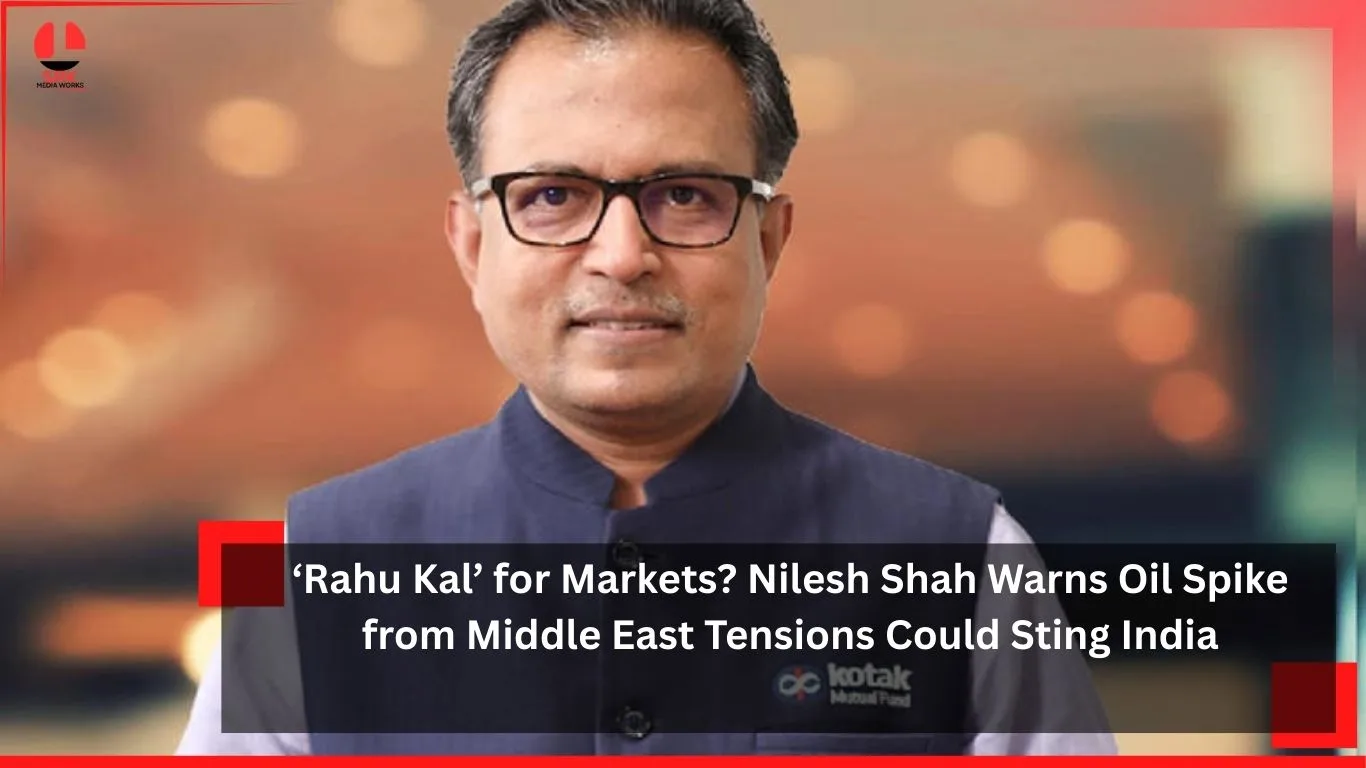
Veteran market expert Nilesh Shah has cautioned that rising crude oil prices, driven by escalating Middle East tensions, could spell trouble for India’s economy and equity markets. Referring to the situation as a potential “Rahu Kal” for markets, Shah emphasized that while India’s fundamentals remain strong, external shocks like oil spikes can still sting investors and policymakers.
Why Oil Prices Matter for India
1. High Import Dependency
India imports over 80% of its crude oil requirements, making it highly vulnerable to global price fluctuations.
2. Inflationary Pressures
Rising oil prices feed into higher transportation and manufacturing costs, pushing inflation upward.
3. Currency Impact
A higher import bill weakens the rupee, increasing costs for industries dependent on imported raw materials.
4. Corporate Margins
Sectors such as airlines, paints, chemicals, and logistics face margin squeezes when oil prices rise.
Sectoral Impact Analysis
| Sector | Impact Level | Key Notes |
|---|---|---|
| Airlines | High | Aviation turbine fuel costs surge |
| Paints | High | Crude derivatives affect raw material costs |
| Chemicals | High | Heavy reliance on petrochemicals |
| FMCG | Medium | Transport and packaging costs rise |
| IT Services | Low | Limited direct exposure to crude |
Nifty Earnings Sensitivity
| Scenario | Crude Oil Price (USD/barrel) | Estimated Nifty Earnings Impact (%) |
|---|---|---|
| Stable Geopolitical Environment | 80 | 0 |
| Moderate Conflict | 100 | -2 |
| Prolonged Conflict | 120 | -4 |
This sensitivity analysis highlights how earnings could decline progressively with rising crude prices.
Comparative Global Impact
| Country | Oil Import Dependency (%) | Vulnerability to Price Shock |
|---|---|---|
| India | 80+ | High |
| China | 70 | Medium |
| USA | 20 | Low |
| Japan | 90 | High |
| Germany | 60 | Medium |
India’s high dependency on imported oil makes it particularly vulnerable compared to other major economies.
Nilesh Shah’s Key Warnings
- Short-Term Pain: Oil spikes could hurt corporate earnings and investor sentiment.
- Policy Challenges: RBI may face pressure to tighten monetary policy if inflation rises.
- Investor Discipline: Shah urges investors to remain cautious and avoid extreme bets during volatile times.
Analytical Pivot: India’s Growth Outlook
| Fiscal Year | Projected GDP Growth (%) | Key Influences |
|---|---|---|
| FY25 | 6.8 | Strong domestic demand |
| FY26 | 6.5 | Inflationary pressures |
| FY27 | 6.2 | Crude oil volatility, geopolitical risks |
Investor Strategy
- Diversify Portfolios: Spread investments across sectors to reduce risk.
- Focus on Fundamentals: Prioritize companies with strong balance sheets.
- Stay Patient: Avoid panic selling during short-term volatility.
- Monitor Global Events: Keep track of Middle East developments and oil price trends.
Policy Measures to Cushion Impact
- Strategic Oil Reserves: India may tap into reserves to stabilize supply.
- Renewable Energy Push: Accelerating investments in solar and wind energy to reduce dependency.
- Fiscal Support: Relief measures for industries most affected.
- Currency Management: RBI interventions to stabilize the rupee against volatility.
Conclusion
The warning of a “Rahu Kal” for markets by Nilesh Shah underscores the challenges posed by global uncertainties and rising crude oil prices. While India’s long-term fundamentals remain strong, short-term risks from oil spikes could sting corporate earnings and investor sentiment. For policymakers and investors alike, the focus will be on resilience, diversification, and cautious optimism.
Disclaimer
This article is based on economic projections and market insights. The figures and interpretations are intended for informational purposes only and should not be considered financial or investment advice. Readers are encouraged to consult professional experts before making economic or financial decisions.



Когда вы разрабатываете турне между Берлином и Польшей, целесообразно знать расстояние и варианты добраться. В частности, познань берлин расстояние равняется около 270 км, а добраться можно поездом, что удобно и скоро. Вдобавок многие задаются вопросом, как попасть из берлина в потсдам или как прибыть до берлин-бранденбург аэропорт — есть ряд методов, вместе с поезд и автобус.
Для поклонников истории рекомендуется осмотреть берлинский дворец или замки в предместьях берлина, а если необходимо больше данных о путях и движении, рекомендую проверить хелм берлин поезд . Когда вам необходимо доехать из аэропорта берлина до автовокзала или разузнать информацию про поезда днепр-берлин или ужгород-берлин поезд, на форуме часто комментируют такие рейсы и предоставляют актуальные советы.