


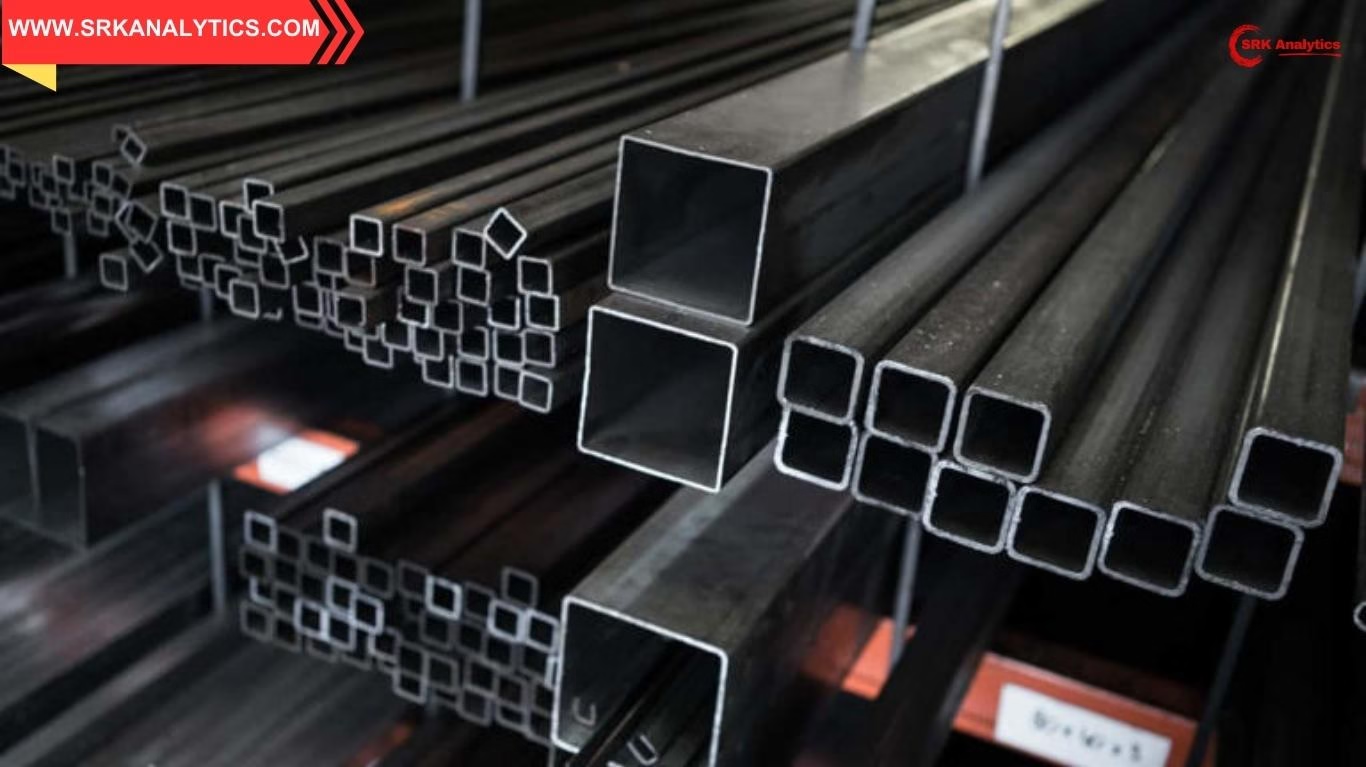
India is actively seeking preferential treatment for its steel exports under the European Union’s newly introduced sustainability and carbon emission regulations. With the EU tightening its climate-related trade policies, Indian policymakers and industry leaders are lobbying for recognition of India’s efforts in green steel production and renewable energy adoption. The move is aimed at ensuring that Indian steel remains competitive in European markets while aligning with global sustainability goals.
Background of the Issue
- The EU has rolled out new regulations under its Carbon Border Adjustment Mechanism (CBAM), focusing on carbon emissions and sustainability in steel production.
- India, one of the world’s largest steel producers, fears that stricter norms could impact its competitiveness and export volumes.
- Policymakers are pushing for preferential treatment, citing India’s growing investments in green steel, renewable energy, and emission reduction technologies.
- The negotiations are part of India’s broader trade strategy to safeguard jobs, exports, and industrial growth.
Key Highlights
| Indicator | Details |
|---|---|
| Exporting Country | India |
| Importing Bloc | European Union |
| Sector in Focus | Steel |
| Issue | New EU regulations on sustainability and carbon emissions |
| India’s Demand | Preferential treatment for steel exports |
| Broader Context | Trade, sustainability, competitiveness |
India’s Position vs EU Regulations
| Factor | India’s Position | EU Regulations | Implication |
|---|---|---|---|
| Sustainability Efforts | Investments in green steel, renewable energy | Strict carbon norms under CBAM | Need for recognition |
| Trade Relations | Long-standing partner | Uniform rules for all | Negotiation required |
| Competitiveness | Seeks preferential access | Level playing field | Balance of interests |
| Industry Impact | Protect exports and jobs | Ensure compliance | Adjustment costs |
| Long-Term Outlook | Growth in exports | Sustainable trade | Mutual benefit possible |
Why This Story Matters
- Trade Relations: India-EU ties are crucial for global commerce and industrial growth.
- Sustainability: Highlights the role of green steel in future trade frameworks.
- Policy Debate: Raises questions about balancing competitiveness with environmental responsibility.
- Investor Sentiment: Impacts steel companies and their global strategies.
- Future Outlook: Shapes India’s positioning in sustainable trade frameworks.
India’s Perspective
- India argues that its steel industry is making significant strides in reducing emissions.
- Policymakers emphasize the importance of recognizing India’s efforts in renewable energy adoption and green steel initiatives.
- Preferential treatment is seen as essential to safeguard jobs, exports, and industrial competitiveness.
EU’s Position
- The EU insists on uniform application of sustainability norms to ensure fairness.
- Regulations are designed to prevent carbon leakage and promote climate responsibility.
- While open to dialogue, the EU stresses that exemptions must align with its climate goals.
Expert Opinions
- Trade Analysts: Note that India’s push reflects broader concerns among developing economies.
- Economists: Stress the importance of balancing trade with sustainability.
- Critics: Argue that preferential treatment may undermine EU’s climate agenda.
- Supporters: Believe India deserves recognition for its green initiatives.
Challenges Ahead
- Regulatory Compliance: Ensuring Indian steel meets EU standards.
- Negotiation Complexity: Balancing trade interests with climate commitments.
- Market Volatility: Global steel prices may impact competitiveness.
- Public Perception: Managing narratives around sustainability and fairness.
- Policy Alignment: Coordinating between industry and government.
Opportunities
- Green Steel Leadership: Positioning India as a global leader in sustainable steel.
- Trade Expansion: Strengthening ties with the EU through preferential access.
- Investor Confidence: Attracting investments in sustainable steel production.
- Policy Innovation: Developing frameworks that balance trade and climate goals.
- Global Recognition: Enhancing India’s credibility in international markets.
Broader Context of Steel Industry
- Steel is central to infrastructure and industrial growth worldwide.
- Global trade in steel is increasingly influenced by sustainability norms.
- India’s push for preferential treatment reflects the challenges faced by emerging economies.
- The debate underscores the importance of aligning trade with climate commitments.
Sectoral Breakdown of Impact
| Sector | Impact | Strategic Importance |
|---|---|---|
| Steel Industry | Export competitiveness | Infrastructure growth |
| Trade Relations | India-EU negotiations | Global positioning |
| Sustainability | Green steel initiatives | Climate commitments |
| Capital Markets | Investor sentiment | Financial stability |
| Policy Governance | Regulatory alignment | Long-term strategy |
Media Coverage
- Headlines highlight India’s demand for preferential treatment under EU’s new regulations.
- Analysts debate the feasibility of exemptions under CBAM.
- Coverage emphasizes the importance of sustainability in trade.
- The story resonates across economic, industrial, and policy platforms.
Conclusion
India’s push for preferential treatment for steel exports under EU’s new regulations reflects the intersection of trade and sustainability. While challenges remain in balancing competitiveness with climate goals, the dialogue offers opportunities for India to showcase its green steel initiatives and strengthen ties with Europe. The outcome will shape the future of India’s steel industry and its role in global sustainable trade.
Disclaimer
This article is intended for informational purposes only and does not constitute financial or policy advice. Trade negotiations, regulations, and outcomes are subject to change based on evolving circumstances. Readers are encouraged to follow official updates for accurate information. The author and publisher are not responsible for any decisions made based on this article.


