



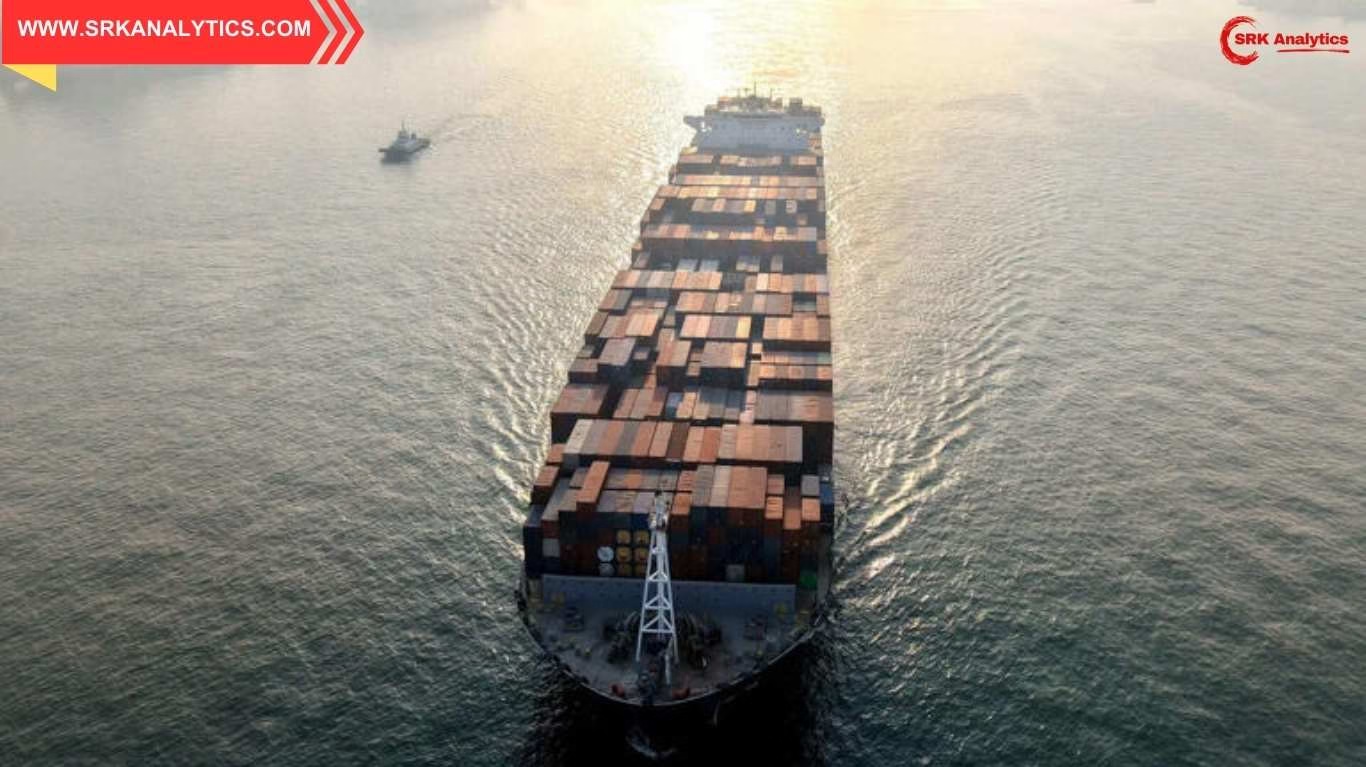
India is on the cusp of what many analysts are calling the “mother of all trade deals”, a landmark agreement that could reshape the country’s economic trajectory for decades to come. As negotiations intensify, the deal is expected to open new markets, strengthen India’s global trade position, and provide a significant boost to domestic industries. But what exactly does this mean for India, its businesses, and its people?
Background of the Trade Deal
- India has been actively pursuing comprehensive trade agreements with multiple global partners to expand its export base and secure supply chains.
- The proposed deal, dubbed the “mother of all trade deals,” is expected to cover a wide range of sectors including manufacturing, technology, agriculture, energy, and services.
- With global economic uncertainties and shifting geopolitical alliances, India sees this as a strategic opportunity to cement its role as a major player in international trade.
- The deal is anticipated to be one of the largest in terms of value, scope, and impact on India’s GDP growth.
Key Highlights
| Indicator | Details |
|---|---|
| Nature of Deal | Comprehensive trade agreement |
| Scope | Manufacturing, technology, agriculture, energy, services |
| Strategic Importance | Strengthens India’s global trade position |
| Economic Impact | Boost to GDP, exports, and investments |
| Broader Context | Aligns with India’s long-term growth vision |
Potential Gains vs Challenges for India
| Factor | Potential Gains | Challenges | Implication |
|---|---|---|---|
| Exports | Access to new markets | Competition from global players | Boost to trade volumes |
| Investments | Increased FDI inflows | Regulatory hurdles | Strengthens capital base |
| Technology Transfer | Access to advanced tech | Need for skill development | Enhances innovation |
| Agriculture | Expanded export opportunities | Compliance with global standards | Benefits farmers |
| Energy Sector | Diversified supply chains | Dependence on imports | Improves energy security |
Why This Story Matters
- Economic Growth: The deal could add billions to India’s GDP.
- Global Positioning: Strengthens India’s role in global trade alliances.
- Domestic Impact: Benefits industries ranging from agriculture to technology.
- Investor Confidence: Attracts foreign direct investment and boosts capital markets.
- Policy Context: Reflects India’s vision of becoming a $10 trillion economy in the coming decades.
Impact on Key Sectors
Manufacturing
- India’s manufacturing sector stands to gain significantly, with increased access to global markets.
- The deal could boost initiatives like Make in India, encouraging domestic production and exports.
- Enhanced supply chains and reduced tariffs will make Indian products more competitive globally.
Technology
- Technology transfer is expected to be a major component, giving India access to advanced innovations.
- Collaboration with global firms could strengthen India’s IT and startup ecosystem.
- The deal may also boost India’s digital economy, expanding opportunities in fintech, AI, and e-commerce.
Agriculture
- Farmers could benefit from expanded export opportunities for crops, dairy, and processed foods.
- Compliance with international standards will be necessary, requiring modernization of agricultural practices.
- The deal could also encourage investment in food processing and logistics.
Energy
- Diversification of energy imports will improve India’s energy security.
- Opportunities in renewable energy collaboration could accelerate India’s green transition.
- The deal may also open doors for investments in oil, gas, and clean technologies.
Services
- India’s services sector, particularly IT and financial services, could see expanded global demand.
- Outsourcing and consulting opportunities may grow, strengthening India’s position as a services hub.
- Tourism and education services could also benefit from increased global collaboration.
Expert Opinions
- Economists: Stress that the deal could be transformative for India’s GDP growth.
- Industry Leaders: Highlight opportunities for manufacturing and technology sectors.
- Policy Analysts: Emphasize the importance of balancing domestic interests with global commitments.
- Investors: Express optimism about long-term returns and stability.
Challenges Ahead
- Regulatory Compliance: Ensuring Indian industries meet global standards.
- Competition: Domestic firms may face pressure from international players.
- Infrastructure: Need for improved logistics and supply chain management.
- Skill Development: Workforce must adapt to new technologies and practices.
- Geopolitical Risks: Global tensions could impact trade flows.
Opportunities for India
- Expand Export Base: Access to new markets for goods and services.
- Boost Investments: Attract foreign capital into key sectors.
- Strengthen Supply Chains: Reduce dependence on single sources.
- Enhance Innovation: Collaborate with global firms for technology transfer.
- Promote Sustainability: Leverage opportunities in renewable energy and green technologies.
Broader Context of Global Trade
- Global trade is undergoing significant shifts due to geopolitical tensions, supply chain disruptions, and technological advancements.
- India’s pursuit of this mega trade deal reflects its ambition to be a central player in the new global order.
- The deal aligns with India’s long-term vision of becoming a leading economy and trade hub.
Sectoral Breakdown of Impact
| Sector | Impact | Strategic Importance |
|---|---|---|
| Manufacturing | Boost to exports | Supports Make in India |
| Technology | Access to advanced innovations | Strengthens digital economy |
| Agriculture | Expanded export opportunities | Benefits farmers |
| Energy | Diversified imports | Improves energy security |
| Services | Increased global demand | Strengthens India’s services hub |
Media Coverage
- Headlines emphasize the scale and importance of the “mother of all trade deals.”
- Analysts debate the potential gains and challenges for India.
- Coverage highlights the deal’s impact on industries ranging from manufacturing to services.
- The story continues to dominate discussions in economic and policy circles.
Conclusion
The “mother of all trade deals” represents a historic opportunity for India to reshape its economic future. With potential gains across manufacturing, technology, agriculture, energy, and services, the deal could significantly boost India’s GDP and global standing. While challenges remain in terms of compliance, competition, and infrastructure, the opportunities far outweigh the risks. As negotiations progress, India’s ability to balance domestic interests with global commitments will determine the ultimate success of this landmark agreement.
Disclaimer
This article is intended for informational purposes only and does not constitute financial or investment advice. Trade negotiations, policy decisions, and economic conditions are subject to change based on evolving circumstances. Readers are encouraged to follow official updates for accurate information. The author and publisher are not responsible for any decisions made based on this article.