




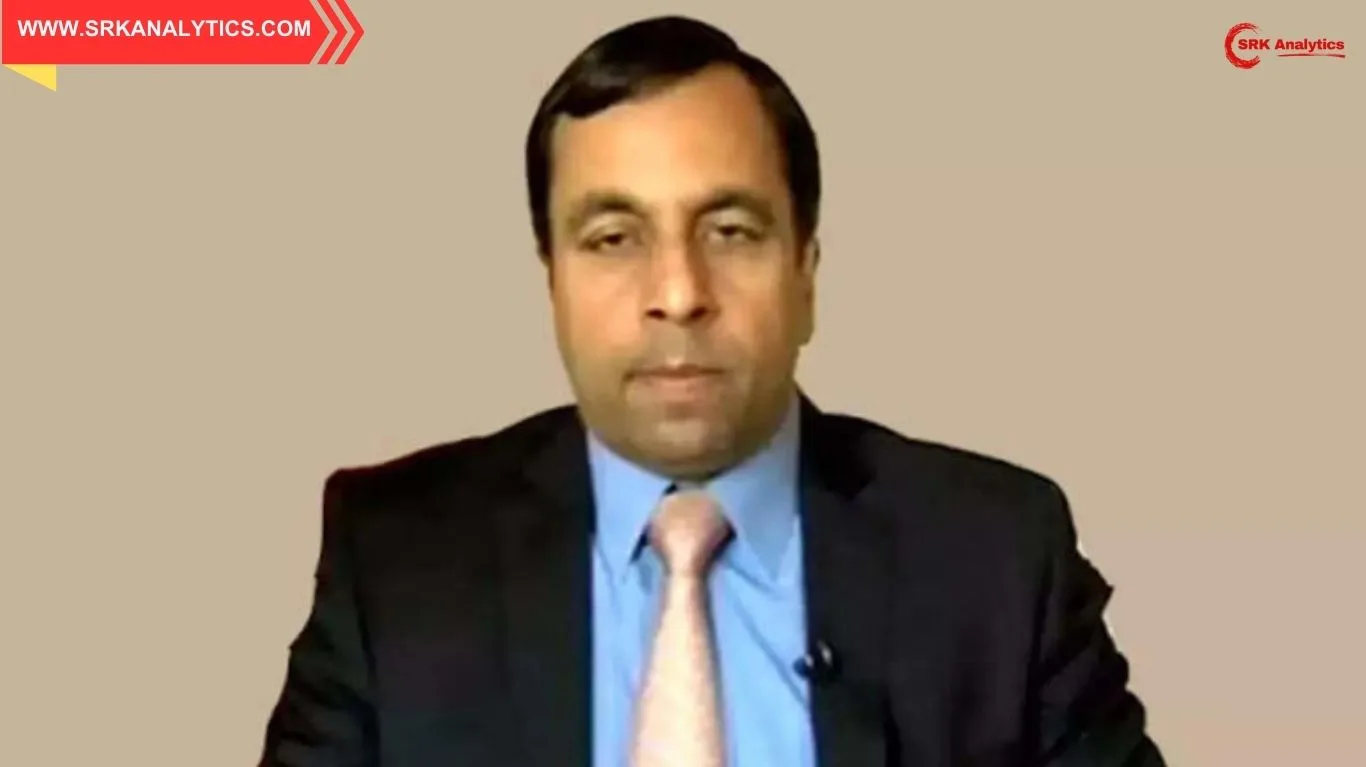
Indian stock markets have entered 2026 with strong momentum, but seasoned market voices are cautioning investors about potential risks. Ajay Srivastava, a well-known market expert, has highlighted that foreign selling pressure and stretched valuations could make Indian equities volatile in the near term. However, he believes that auto, metals, and monopolistic businesses may offer safer investment opportunities as the year progresses.
Background of the Market Outlook
- Indian equities have delivered stellar returns over the past few years, supported by domestic liquidity, strong corporate earnings, and government reforms.
- However, foreign institutional investors (FIIs) have been net sellers in recent months, raising concerns about sustainability.
- Valuations across several sectors are trading at premium levels compared to historical averages.
- Srivastava’s analysis suggests that while risks remain, selective sectors could provide resilience and long-term growth.
Key Highlights of Ajay Srivastava’s View
| Indicator | Details |
|---|---|
| Risk Factors | Foreign selling, high valuations |
| Safer Bets | Auto, metals, monopolies |
| Timeframe | Outlook for 2026 |
| Investor Strategy | Focus on selective sectors, avoid overvalued stocks |
| Broader Impact | Encourages cautious optimism in Indian markets |
Risks vs Opportunities in Indian Equities (2026)
| Factor | Risks | Opportunities | Long-Term Implication |
|---|---|---|---|
| Foreign Selling | Outflows may pressure indices | Domestic investors remain strong | Market volatility likely |
| Valuations | Premium levels across sectors | Earnings growth may justify select valuations | Selective stock picking essential |
| Auto Sector | Cyclical demand risks | EV adoption, rural demand | Strong growth potential |
| Metals Sector | Global commodity cycles | Infrastructure push, China recovery | Resilient earnings outlook |
| Monopolies | Regulatory risks | Pricing power, market dominance | Stable long-term returns |
Why This Story Matters
- Investor Guidance: Provides clarity for retail and institutional investors navigating uncertain markets.
- Sectoral Focus: Highlights areas of resilience amid broader risks.
- Global Context: Reflects the impact of foreign flows on Indian equities.
- Policy Impact: Aligns with India’s infrastructure and industrial growth agenda.
- Market Sentiment: Shapes investor confidence heading into 2026.
Auto Sector: A Safer Bet
| Attribute | Details |
|---|---|
| Growth Drivers | Electric vehicle adoption, rural demand, premiumization |
| Risks | Cyclical demand, raw material costs |
| Outlook | Strong growth potential in passenger and commercial vehicles |
The auto sector is expected to benefit from rising consumer demand, government incentives for EVs, and rural income growth.
Metals Sector: Riding the Infrastructure Wave
| Attribute | Details |
|---|---|
| Growth Drivers | Infrastructure push, global commodity recovery |
| Risks | Volatility in global prices |
| Outlook | Resilient earnings supported by domestic demand |
Metals are likely to remain strong as India’s infrastructure expansion continues, supported by government spending and global recovery.
Monopolies: Stability Amid Volatility
| Attribute | Details |
|---|---|
| Growth Drivers | Pricing power, market dominance |
| Risks | Regulatory scrutiny |
| Outlook | Stable returns, defensive play |
Monopolistic businesses in sectors like telecom, cement, and utilities may provide consistent returns due to their strong market positions.
Expert Opinions
- Market Analysts: Agree that valuations are stretched but highlight resilience in select sectors.
- Fund Managers: Emphasize stock-specific strategies rather than broad index bets.
- Economists: Point to global uncertainties impacting foreign flows.
- Retail Investors: Express cautious optimism, focusing on long-term themes.
Challenges Ahead
- Global Uncertainty: Geopolitical tensions and commodity cycles may impact markets.
- Foreign Flows: Sustained FII selling could pressure indices.
- Valuation Risks: Premium valuations may limit upside.
- Regulatory Changes: New policies could impact monopolistic businesses.
- Earnings Delivery: Companies must justify valuations with strong results.
Opportunities for Investors
- Selective Sector Bets: Focus on auto, metals, and monopolies.
- Long-Term Themes: Invest in EVs, infrastructure, and industrial growth.
- Defensive Strategies: Use monopolistic businesses as safe havens.
- Domestic Liquidity: Leverage strong retail participation in equities.
- Global Integration: Benefit from India’s growing role in global supply chains.
Broader Context of Indian Equities
- India remains one of the fastest-growing major economies.
- Domestic investors have increasingly cushioned markets against foreign outflows.
- Government reforms in infrastructure, manufacturing, and energy continue to support growth.
- However, global uncertainties and premium valuations require cautious optimism.
Public Sentiment
- Retail investors remain bullish on India’s long-term growth story.
- Institutional investors are cautious, focusing on earnings delivery.
- Social media debates highlight concerns about valuations and foreign selling.
- Overall sentiment reflects cautious optimism with selective sector focus.
Media Coverage
- News outlets have widely reported Srivastava’s remarks, emphasizing risks and safer bets.
- Analysts debated the implications for retail investors and fund managers.
- Coverage highlighted the importance of sectoral strategies in 2026.
- The story continues to dominate financial discussions across platforms.
Conclusion
The remarks by Ajay Srivastava on Indian equities underscore the need for caution in 2026. With foreign selling and high valuations posing risks, investors are advised to focus on safer bets such as auto, metals, and monopolistic businesses. These sectors, supported by structural growth drivers, may provide resilience amid volatility. As India’s economy continues to expand, selective strategies will be key to navigating the year ahead.
Disclaimer
This article is intended for informational purposes only and does not constitute financial advice. Market conditions, investment strategies, and public sentiments are subject to change based on evolving circumstances. Readers are encouraged to consult professional advisors before making investment decisions. The author and publisher are not responsible for any decisions made based on this article.