
HiLITE Group, leading real estate and infrastructure developer, has officially launched ‘Mandara Women’s Wellness, (www.mandarawellness.in/) India’s first AI-integrated holistic wellness retreat created exclusively for women. Building on over three decades of innovative developments across commercial, retail, and residential sectors, including India’s largest World Trade Center development, WTC Kozhikode, HiLITE Group first expanded into healthcare with Elanine Women’s Hospital. Mandara represents the next evolutionary phase of this vision, establishing a dedicated nurturing destination designed to complement traditional clinical care with hyper-personalized wellness solutions tailored for optimal vitality.
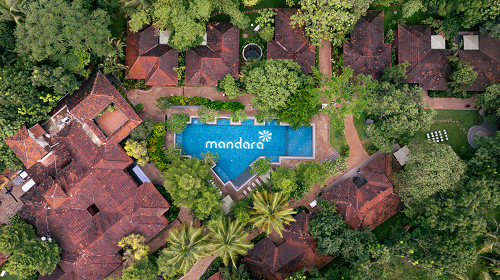 |
Mandara Women’s Wellness by HiLITE Group
Speaking on the launch, P. Sulaiman, Chairman, HiLITE Group, said “Mandara represents a meaningful step for HiLITE Group as we extend our commitment into healthcare and wellness. This launch strengthens our long-term vision of scaling women-centric healthcare infrastructure in India, and Mandara is just the beginning of that journey.”
“Mandara is a reflection of our belief that true progress must include the health and well-being of women at every stage of life. Mandara, more than an expansion of our portfolio, it is an extension of our purpose. We are taking a meaningful step into women’s health,” said Ajil Muhammed, CEO of HiLITE Group.
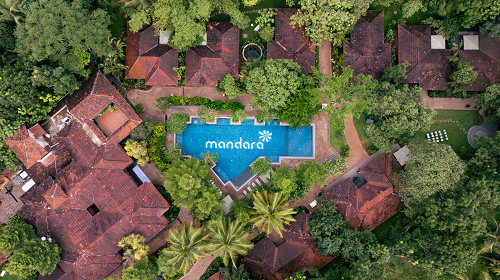
Situated near Calicut University, the property features 20 independent, IoT-enabled private cottages categorized into Signature Private, Executive, and Wellness options. These serene living spaces incorporate integrated environmental and health sensors designed to support focused, unhurried recovery in complete privacy and complete comfort. Under the leadership of Dr. Azhar Mubarak, CEO of the Healthcare Wing at HiLITE Group, Mandara is structured to transform postnatal recovery and long-term restorative health for women across every stage of life.
“The way a society cares for its women says everything about the future it is building,” said Dr. Azhar Mubarak, CEO of the Healthcare Wing at HiLITE Group. “Mandara Women’s Wellness became a reality when we asked why women in India shouldn’t have access to world-class, dedicated wellness experiences right here at home. Every detail the space, the therapies, the conversations are intentionally crafted around women so they can heal and rejuvenate,” he added.
Mandara structures its clinical and wellness programming around six primary life stages to provide complete continuity of care. The retreat offers foundational Women’s Wellness for everyday vitality, Prenatal Wellness for guided physiological support during pregnancy, and specialized Postnatal Wellness for mother and newborn recovery. Additionally, the retreat provides Menopausal Wellness to assist with hormonal transitions, Preventive Women’s Wellness focused on early intervention and health optimization, and dedicated Geriatric Care designed to support healthy aging and mobility.
Therapeutically, Mandara pairs advanced medical recovery technology with traditional healing modalities to ensure comprehensive healing. Its modern infrastructure features Hyperbaric Oxygen Chambers for cellular recovery, HiFEM Pelvic Strength Chairs for non-invasive core rehabilitation, Infrared Therapy Beds, and Terahertz Bioresonance Energy Therapy. These technologies operate alongside classical Ayurvedic treatments, all customized using personalized herbal formulations. The retreat integrates an AI-driven clinical spa, naturopathic detox pathways, postpartum-safe Pilates, aquatherapy, and dietitian-guided therapeutic culinary menus prepared specifically to boost immunity.
Postnatal care forms the core operational priority at Mandara, offering a dedicated framework that serves mother and baby simultaneously in a safe environment. A 24/7 baby nursery and infant spa, fully staffed by qualified medical professionals, allows new mothers dedicated time for recovery, therapy, and restful sleep with full reassurance. Complementing this is a specialized Mother’s Lounge featuring zero-gravity recliners and a supportive community space, alongside daily educational workshops covering lactation guidance, infant CPR training, newborn care, and postpartum mental wellbeing to build lasting confidence.
For booking inquiries, clinical consultations, or further details regarding residential retreat programs, visit www.mandarawellness.in/contact or call +91 99612 00055.