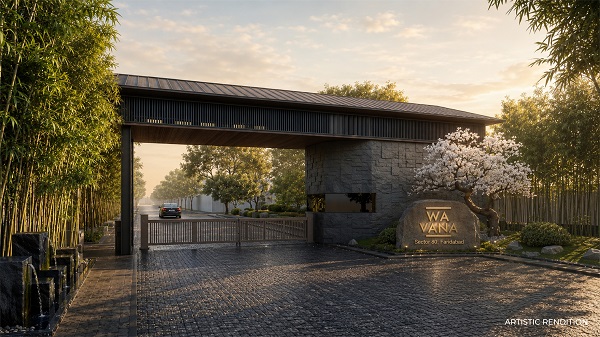

BPTP Limited, one of the National Capital Region’s leading real estate developers, today announced the launch of WA VANA – a premium gated residential precinct within its integrated township in Sector 80, Faridabad. Inspired by the Japanese philosophy of Ikigai-finding purpose and meaning in everyday life, WA VANA has been thoughtfully planned as an intergenerational community that blends wellness, sustainability and contemporary living.
 |
BPTP launches WA-VANA; An Ikigai-Inspired sustainable residential enclave in Sector 80, Faridabad
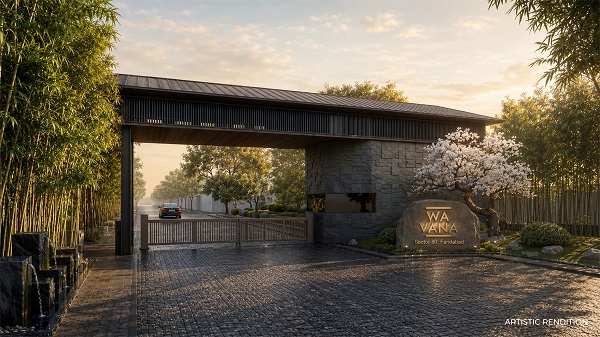
True to its name, WA VANA embodies the essence of harmonious living, with “WA” representing harmony and “VANA” symbolising nature. Guided by the philosophy of “WA VANA – Harmony: A Zen Sanctuary in the Oasis,” the development reinterprets the timeless spirit of Japanese gardens through contemporary minimalist design and locally adapted, drought-tolerant planting, creating an intergenerational sanctuary where elders can meditate and unwind while children explore, play and connect with nature.
Drawing inspiration from five Japanese philosophies-Kaizen (continuous improvement), Ichigo Ichie (cherishing every moment), Shokunin (craftsmanship), Osewa (care for others) and Gaman (resilience), WA VANA has been thoughtfully master planned as a holistic lifestyle ecosystem where green spaces become the foundation for wellness, meaningful social interactions and lifelong learning across generations.
Project Highlights:
-
Approximately ~1 -acre Japanese forest in the heart of the community
-
RERA Registration No.: HRERA-PKL-FBD-939-2026
The Japanese Forest – A Sanctuary for Everyday Living
At the heart of WA VANA lies an approximately ~1-acre Japanese Forest, conceived as an immersive landscape inspired by the Japanese philosophy of living in harmony with nature. Designed as a tranquil retreat for residents of all generations, the space brings together wellness, recreation and community experiences through a carefully curated collection of themed landscapes and activity zones.
The Japanese Forest features a Shinrin-Yoku (forest bathing) trail, Zen gardens, bamboo groves, meditation pavilions, yoga decks, walking and jogging trails, children’s sensory play areas, community gardens, water features, an amphitheatre and shaded seating spaces creating an environment that encourages mindfulness, active living and meaningful social connections.
Speaking on this occasion Mr. Amaan Chawla, President, BPTP Limited, said, “Homebuyers today are looking beyond physical infrastructure, they seek communities that enrich their everyday lives, promote well-being and foster meaningful human connections. With WA VANA, we have reimagined residential living through the philosophy of Ikigai, creating a thoughtfully planned, sustainable neighbourhood where wellness, nature and community come together seamlessly. Every aspect of the development has been designed to encourage a balanced lifestyle while delivering long-term value for residents. As Faridabad continues to be a preferred residential destination in NCR, WA VANA reflects our commitment to developing future-ready communities that combine thoughtful planning, environmental responsibility and elevated living experiences.”
Located in Sector 80, Faridabad, WA-VANA enjoys excellent connectivity to the Delhi-Mumbai Expressway, NH-19, the recently operational Jewar International Airport and other key infrastructure corridors. The surrounding ecosystem comprises established residential developments, educational institutions, healthcare facilities, retail destinations and commercial hubs, making it one of the city’s emerging residential destinations.
The development has been conceptualised with the expertise of internationally renowned landscape design firm Coopers Hill, whose planning philosophy integrates landscape, wellness and sustainability into everyday living, creating a community that balances aesthetics, functionality and long-term environmental stewardship.
About BPTP
BPTP is one of NCR’s defining real estate developers, with over 20 years of experience in shaping the region’s urban landscape. With a portfolio of 50+ residential and commercial projects and over 25,000 units delivered, the company has consistently created thoughtfully planned developments that combine contemporary architecture, premium amenities, and sustainable design. Recognised among the Top 3 developers in the ET Now Real Estate North Survey 2026, BPTP continues to set new benchmarks through its unwavering commitment to quality, innovation, transparency, and customer-centric development.