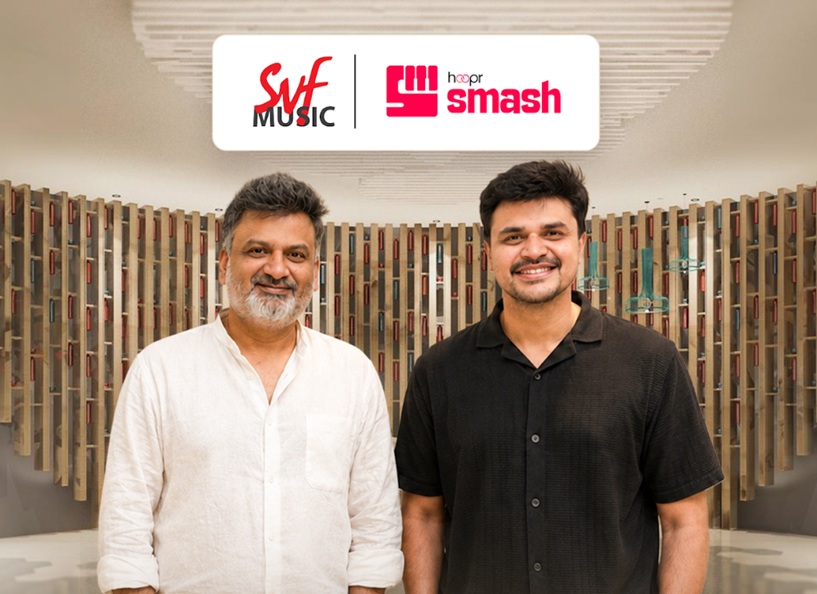

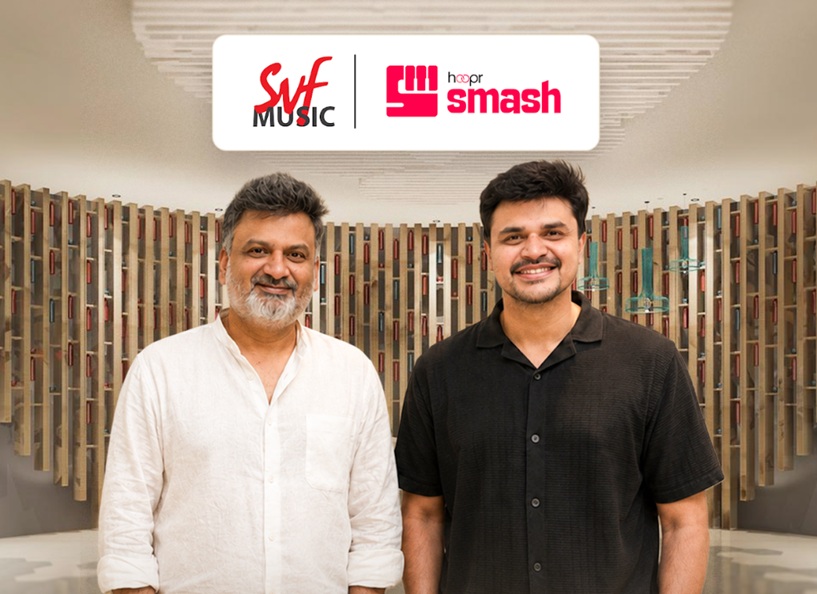
Hoopr Smash, India’s leading music licensing platform, today announced its partnership with SVF Music, Bengal’s most influential and celebrated music labels. Through this collaboration, brands, agencies, and influencers can now exclusively license SVF Music’s extensive catalogue for use across branded social content, digital campaigns, and commercial video creation.
 |
SVF Music partners with Hoopr Smash to bring its iconic Bengali music catalogue to brands and creators for licensed commercial use
Home to the biggest Bengali chartbusters, iconic film soundtracks, and contemporary hits, SVF Music has shaped the sound of Bengali music for decades. The catalogue features timeless tracks such as Bojhena Shey Bojhena, Mon Majhi Re, Tomake Chai, Parbona Ami Chartey Tokey, and Tumi Jake Bhalobasho, alongside music from celebrated artists including Arijit Singh, Shreya Ghoshal, Anupam Roy, Rupankar Bagchi, Iman Chakraborty, Jeet Ganguly, and Anindya Chatterjee, making it one of the richest Bengali catalogues available for commercial licensing.
India’s advertising industry is projected to cross Rs 50,000 crore in annual spending, with video-first campaigns becoming the preferred format for brands across every category. As brands and creators increasingly rely on trending music to create culturally relevant content, the need for licensed music has never been greater. This urgency has become even more apparent as music labels have started taking stricter action against the unauthorised commercial use of their catalogues, including issuing legal notices to brands using music without the necessary licences. Today, over 70,000 brands and 2.5 lakh+ influencers spanning FMCG, D2C, retail, fashion, beauty, healthcare, consumer technology, food & beverage, travel, hospitality, and entertainment are creating digital content at scale in Bengal, driving greater demand for licensed music that can be used confidently in commercial campaigns .
Against this backdrop, Hoopr Smash has emerged as India’s leading music licensing platform through AI powered technology for brands and creators, enabling commercial music licensing for over 130 brands, including Pilgrim, Hopscotch, Marico, ITC, Myntra, Rajasthan Royals, and many others. The platform enables users to discover, license, and legally use music for commercial content within minutes, eliminating lengthy negotiations and complex rights clearances. With chart-topping Hindi music from Universal Music Group including popular tracks by artists like Anuv Jain, Talwiinder and more and now the strongest collection of Bengali music through SVF Music, Hoopr Smash is building India’s most comprehensive destination for commercially licensed music across regions.
Mahendra Soni, Co-Founder, SVF Entertainment said, “Over the last 30 years, SVF Music has built Bengal’s most iconic music catalogues, home to many of the region’s biggest songs and artists. Through our partnership with Hoopr Smash, brands can now legally access and use this music for their campaigns, creating new opportunities for our catalogue while ensuring that the creators behind these songs are fairly recognized and compensated. We believe this is an important step towards building a more transparent and sustainable music licensing ecosystem.”
Gaurav Dagaonkar, Co-founder & CEO, Hoopr, added, “As more brands look to expand into regional markets, authentic local music has become essential to building cultural relevance. Bengal has a rich musical legacy, and SVF Music has been instrumental in shaping it. By bringing their iconic catalogue to Hoopr Smash, we’re giving brands and creators easy access to the best of Bengal through a single licensing platform, while ensuring artists and rights holders benefit from every commercial use.”
The addition of SVF Music further strengthens Hoopr Smash’s growing catalogue of commercially licensable music, spanning Bollywood, regional cinema, independent artists, devotional music, and contemporary hits from some of India’s leading music labels.
The SVF Music catalogue is now live exclusively on Hoopr Smash, giving brands, agencies, and creators a faster, simpler, and fully compliant way to license and use some of Bengal’s most iconic music in their commercial campaigns.