



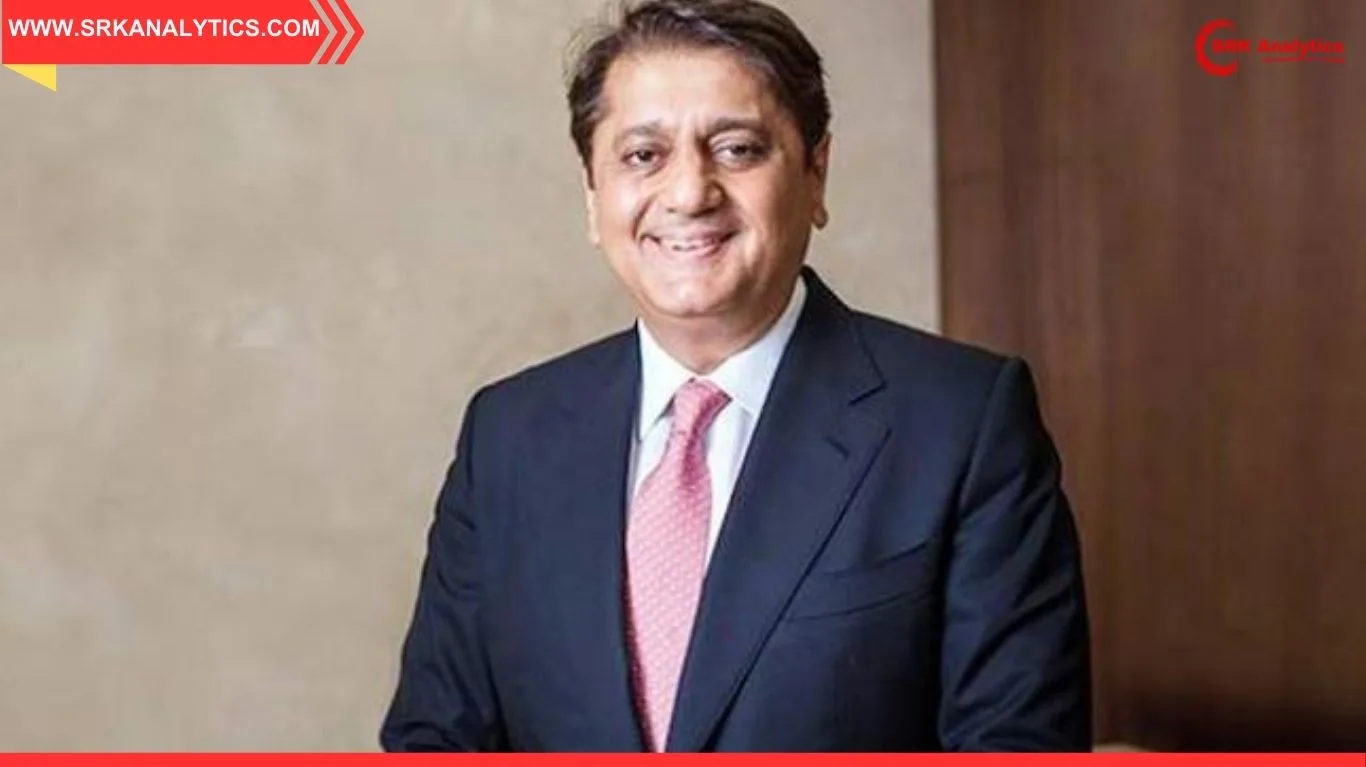
The legal battle surrounding the high‑profile Videocon loan scam intensified after the Bombay High Court directed the Enforcement Directorate (ED) to file its reply to a petition submitted by businessman Deepak Kochhar, who is challenging the attachment of his properties in the money‑laundering case linked to the Videocon Group. The court’s directive marks a crucial step in the ongoing proceedings, as Kochhar seeks to overturn an order passed by the Appellate Tribunal under the Smugglers and Foreign Exchange Manipulators (Forfeiture of Property) Act (SAFEMA), which had upheld the ED’s attachment of assets belonging to him and his companies.
A division bench of Justices Bharati Dangre and Shyam Chandak granted the ED time to submit its response and scheduled the next hearing for December 16, when the matter will be taken up again for detailed consideration . The Kochhars—Deepak and his wife, former ICICI Bank CEO Chanda Kochhar—have argued that the attachment of their properties, valued at approximately ₹70 crore, was carried out in violation of prescribed legal procedures and exceeds the scope of the law.
✅ The Videocon Loan Scam and ED’s Case
The case originates from allegations that ICICI Bank, under Chanda Kochhar’s leadership, sanctioned loans worth ₹1,730 crore to Videocon Group companies between 2009 and 2011. In return, Videocon founder Venugopal Dhoot allegedly invested in NuPower Renewables, a company controlled by Deepak Kochhar.
The ED claims that these transactions constituted a quid pro quo arrangement and amounted to laundering of proceeds of crime. As part of its investigation, the agency provisionally attached several properties belonging to the Kochhars and their associated companies.
The Appellate Tribunal under SAFEMA upheld the ED’s attachment order on July 3, 2025, prompting the Kochhars to approach the High Court for relief.
✅ What Deepak Kochhar’s Plea Argues
Deepak Kochhar and his companies—including NuPower Renewables Pvt Ltd—have challenged the tribunal’s order on several grounds:
1. Procedural Violations
The plea argues that the ED’s attachment was carried out “in excess of the prescribed legal procedure,” violating statutory safeguards under SAFEMA.
2. Ownership Disputes
Kochhar has claimed that NuPower Renewables was 95% owned by Dhoot through his company SEPL, suggesting that the ED’s attachment of NuPower assets is unjustified.
3. Lack of Direct Evidence
The petition asserts that the ED has not established a direct link between the attached properties and the alleged proceeds of crime.
4. Tribunal’s Error in Upholding Attachment
The Kochhars argue that the Appellate Tribunal failed to consider key evidence and legal provisions before confirming the attachment.
✅ Court Proceedings: What Happened So Far
During the hearing, the bench noted the need for the ED to respond formally to the allegations raised in the petition. The court granted the agency time until December 16, when the matter will be heard next.
The judges emphasized that the ED’s reply is essential for determining whether the attachment order was legally sustainable.
✅ Statistical Overview of the Case
| Category | Details |
|---|---|
| Value of Attached Properties | ₹70 crore |
| Loans Under Investigation | ₹1,730 crore sanctioned to Videocon Group |
| Tribunal Order Date | July 3, 2025 |
| Next Hearing Date | December 16, 2025 |
| Key Accused | Chanda Kochhar, Deepak Kochhar, Venugopal Dhoot |
✅Impact of ED’s Reply on the Case
| Factor | Impact on Kochhars | Impact on ED | Impact on Case Progress |
|---|---|---|---|
| ED’s Reply | Determines strength of challenge | Must justify attachment | Sets stage for final arguments |
| Tribunal Order Challenge | Could overturn attachment | Could reinforce ED’s case | Influences future proceedings |
| Property Ownership Claims | May weaken ED’s stance | Requires detailed rebuttal | Affects scope of attachment |
| Procedural Arguments | Could expose lapses | ED must defend process | Impacts legal validity |
| Next Hearing | Critical for interim relief | ED must be prepared | Case moves toward resolution |
✅ Why This Case Matters
The Videocon loan scam is one of India’s most closely watched financial crime investigations, involving:
- A former CEO of a major private bank
- Allegations of quid pro quo
- Cross‑agency probes by CBI and ED
- Complex corporate structures and investments
The outcome of this case will have implications for:
- Corporate governance norms
- Accountability of top banking executives
- Enforcement of anti‑money laundering laws
- Investor confidence in India’s financial system
✅ Legal Context: What SAFEMA Means for the Case
The Smugglers and Foreign Exchange Manipulators (Forfeiture of Property) Act allows authorities to attach properties believed to be linked to illegal activities.
However, the law requires:
- Clear evidence of proceeds of crime
- Proper procedural compliance
- Opportunity for the accused to contest the attachment
The Kochhars argue that these conditions were not met, while the ED maintains that the attachment is legally sound.
✅ Extended Analysis: What Happens Next
The ED’s reply will be crucial in shaping the next phase of the case. Possible outcomes include:
✅ 1. Court Upholds Attachment
If the ED successfully defends its actions, the High Court may uphold the tribunal’s order, allowing the agency to retain control over the attached properties.
✅ 2. Court Sets Aside Attachment
If procedural lapses or lack of evidence are established, the court may overturn the attachment, offering relief to the Kochhars.
✅ 3. Further Hearings and Evidence
Given the complexity of the case, the court may seek additional submissions before delivering a final verdict.
✅ Conclusion
The Bombay High Court’s directive to the ED to file its reply marks a significant development in the Videocon loan scam case. As Deepak Kochhar challenges the attachment of his properties, the ED’s response will play a decisive role in determining the legality and sustainability of the attachment order.
With the next hearing scheduled for December 16, all eyes are now on how the ED defends its actions and how the court evaluates the competing claims. The case continues to be a major test of India’s financial regulatory and enforcement mechanisms.
✅ Disclaimer
This article is based on publicly available court updates, verified news reports, and legal documents. It is intended solely for informational and editorial purposes, offering insights into the ongoing Videocon loan scam proceedings and the legal challenges surrounding the ED’s attachment of properties.