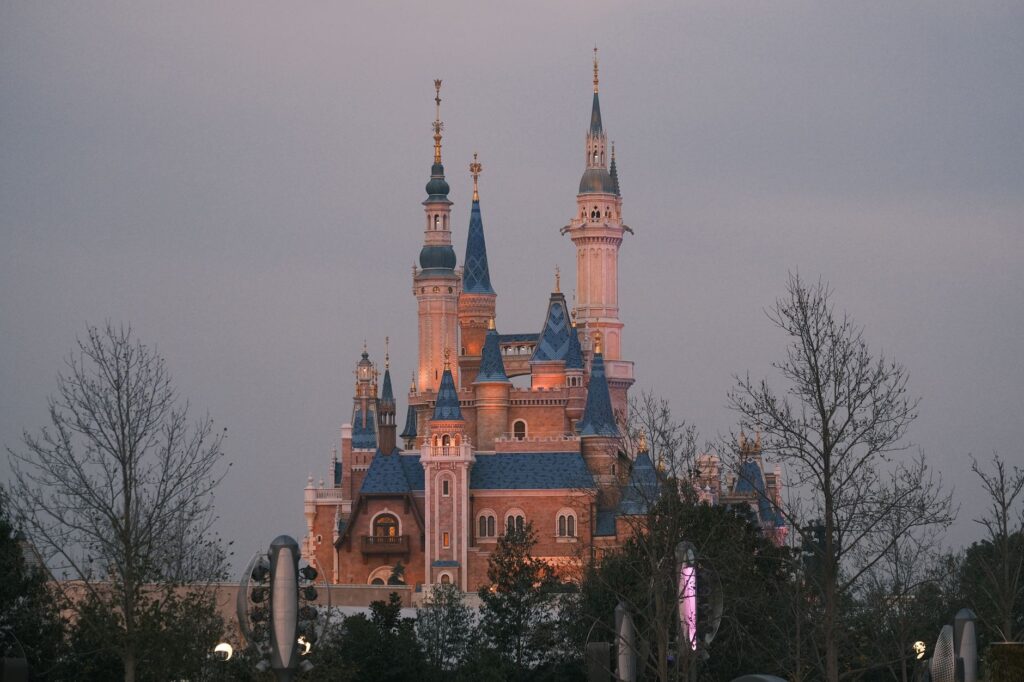

A Milestone for Disney’s Eastern Strategy
Shanghai Disneyland officially surpassed 100 million cumulative visitors in early 2025, a significant achievement that underscores the park’s resilience in the face of shifting global travel patterns and economic headwinds. Walt Disney Company CEO Bob Iger, reflecting on the park’s ten-year journey since its inception, highlighted the location as a critical anchor for the company’s international operations. Situated in the Pudong district of Shanghai, the park remains a centerpiece of Disney’s efforts to capture the burgeoning Chinese middle-class consumer market.
Contextualizing the Rise of the Shanghai Resort
When the Shanghai Disney Resort opened in 2016, it represented the largest foreign investment in Disney’s history, costing approximately $5.5 billion. The project was a joint venture between Disney and the state-owned Shanghai Shendi Group, designed to blend Western branding with localized cultural aesthetics. Unlike other international parks that rely heavily on traditional castle replicas, the Shanghai location was built with a distinctly modern, hyper-immersive approach tailored specifically for the mainland Chinese audience.
Defying Market Trends
While many Western corporations have scaled back their presence in China due to geopolitical tensions and cooling economic growth, the Shanghai resort has maintained steady momentum. Industry analysts point to the park’s high-tech infrastructure, including the world’s first ‘TRON’ lightcycle power run, as a key driver for repeat attendance. The resort has successfully positioned itself as a ‘must-visit’ destination, attracting millions of domestic tourists from across China’s provinces.
Expert Perspectives on Growth
Market experts note that the 100 million visitor milestone validates Disney’s long-term bet on the Chinese tourism sector. According to data from the Shanghai Municipal Administration of Culture and Tourism, theme park attendance in the region has rebounded sharply following the lifting of public health restrictions. ‘Disney’s ability to localize its offerings while maintaining the brand’s premium appeal has been the primary differentiator,’ says industry analyst Marcus Thorne. The company has utilized localized storytelling and seasonal events to ensure the park feels relevant during traditional Chinese holidays, further cementing its cultural integration.
Implications for the Global Theme Park Industry
For the broader hospitality and entertainment industry, the success of Shanghai Disneyland serves as a blueprint for operating in complex, high-barrier markets. It suggests that brand consistency, when paired with deep local partnerships, can mitigate the risks associated with global market pullbacks. Investors are now watching to see how Disney leverages this massive customer database to drive future expansion within the Asia-Pacific region.
Future Outlook and Strategic Shifts
Looking ahead, the focus for the Shanghai resort will likely shift toward capacity management and the introduction of new intellectual property zones to sustain visitor interest. With the success of recent expansions, Disney is expected to announce further capital investments in the park’s infrastructure by the end of the fiscal year. Industry observers should monitor upcoming regulatory filings for details on potential new themed lands, as these additions are traditionally used to stimulate surges in annual pass sales and multi-day stays.