





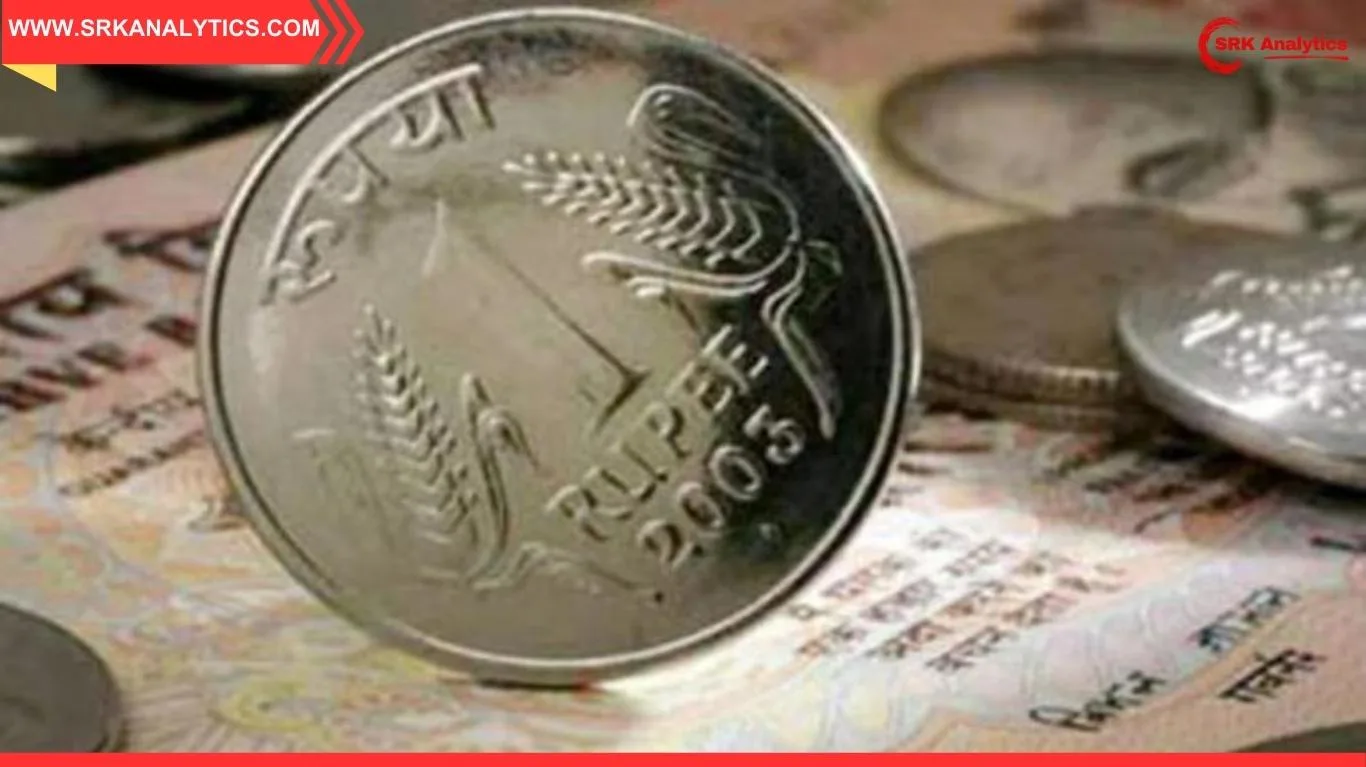
The Indian rupee witnessed a sharp depreciation in morning trade, breaching the psychological 90-level mark against the US dollar for the first time. Opening at 90.06, the currency’s slide reflects mounting global pressures, domestic challenges, and investor sentiment that has tilted towards safe-haven assets. The development has sparked intense debate among economists, policymakers, and market participants about the future trajectory of the rupee and its impact on India’s economy.
Key Highlights
- Rupee opens at 90.06 against the US dollar, breaching the 90-level mark.
- Global factors such as strong US dollar index and geopolitical tensions weigh heavily.
- Domestic concerns include widening current account deficit and capital outflows.
- Import-dependent sectors like oil and electronics face rising costs.
- Exporters may benefit, but inflationary pressures loom large.
Background of the Rupee’s Decline
The rupee has been under pressure for several months, driven by a combination of global and domestic factors. The strengthening of the US dollar, fueled by higher interest rates and robust economic data, has made emerging market currencies vulnerable. At the same time, India’s rising import bill, particularly due to crude oil, has added to the strain.
Foreign portfolio investors have also pulled out funds, seeking better returns in developed markets. This capital flight has further weakened the rupee, pushing it past the critical 90-level mark.
Statistical Overview of Rupee’s Performance
| Year | Average Exchange Rate (INR/USD) | Key Drivers | Impact |
|---|---|---|---|
| 2021 | 74.5 | Pandemic recovery | Stable inflows |
| 2022 | 79.2 | Fed rate hikes | Moderate pressure |
| 2023 | 83.7 | Oil prices surge | Inflation concerns |
| 2024 | 87.5 | Geopolitical tensions | Rising import costs |
| 2025 | 90.06 (opening) | Dollar strength, CAD widening | Breaches psychological mark |
Impact of Rupee Breaching 90-Level
| Factor | Impact on Economy | Impact on Businesses | Impact on Consumers |
|---|---|---|---|
| Imports | Higher costs for crude, electronics | Increased input costs | Costlier fuel & goods |
| Exports | Competitive pricing abroad | Boost for IT & textiles | Potential job growth |
| Inflation | Rising prices due to import costs | Margin pressures | Reduced purchasing power |
| Investments | Capital outflows | Uncertainty in markets | Lower confidence |
| Policy response | RBI intervention likely | Adjusted hedging strategies | Possible rate hikes |
Why This Development Matters
- Psychological Barrier: Breaching the 90-level mark signals a new phase of currency weakness.
- Inflationary Pressures: Higher import costs will feed into consumer inflation.
- Policy Challenges: The Reserve Bank of India (RBI) may need to intervene to stabilize the currency.
- Global Perception: Investors may reassess India’s attractiveness as an emerging market destination.
Expert Views
Economists have warned that the rupee’s slide could have far-reaching consequences. Some argue that while exporters may benefit, the overall impact on inflation and consumer sentiment will be negative. Others believe that RBI’s reserves and intervention capacity provide a cushion against excessive volatility.
Sectoral Impact
- Oil & Gas: Rising crude prices combined with rupee depreciation will increase India’s import bill.
- IT Services: Export-driven IT companies may benefit from favorable exchange rates.
- Automobiles & Electronics: Heavy reliance on imported components will push costs higher.
- Agriculture: Fertilizer imports will become costlier, impacting farming expenses.
Fan and Public Reactions
Social media platforms were abuzz with discussions about the rupee’s fall. While some expressed concern about rising fuel and commodity prices, others highlighted potential benefits for exporters. The breach of the 90-level mark has become a trending topic, reflecting widespread public interest.
Historical Context
India has faced currency depreciation episodes before, notably during the 2013 taper tantrum when the rupee fell sharply. However, breaching the 90-level mark represents an unprecedented challenge, underscoring the need for robust policy measures and structural reforms.
Extended Analysis
The rupee’s decline reflects broader themes in global economics:
- Dollar Dominance: The US dollar remains the world’s safe-haven currency.
- Emerging Market Vulnerability: Countries like India face capital flight during global uncertainty.
- Structural Challenges: India’s dependence on imports makes it vulnerable to currency shocks.
- Policy Dilemmas: Balancing growth with inflation control becomes more complex.
For India, the challenge lies in managing short-term volatility while pursuing long-term reforms to strengthen the economy.
Conclusion
The rupee’s breach of the 90-level mark against the US dollar is a watershed moment in India’s economic journey. While exporters may find opportunities, the broader economy faces inflationary pressures and policy challenges. The Reserve Bank of India’s response, coupled with government measures, will be critical in navigating this turbulent phase. As global uncertainties persist, India must focus on resilience, diversification, and structural reforms to safeguard its economic future.
Disclaimer
This article is based on publicly available financial updates, expert commentary, and market analysis. It is intended for informational and editorial purposes only, offering insights into the rupee’s breach of the 90-level mark against the US dollar and its implications for India’s economy.