





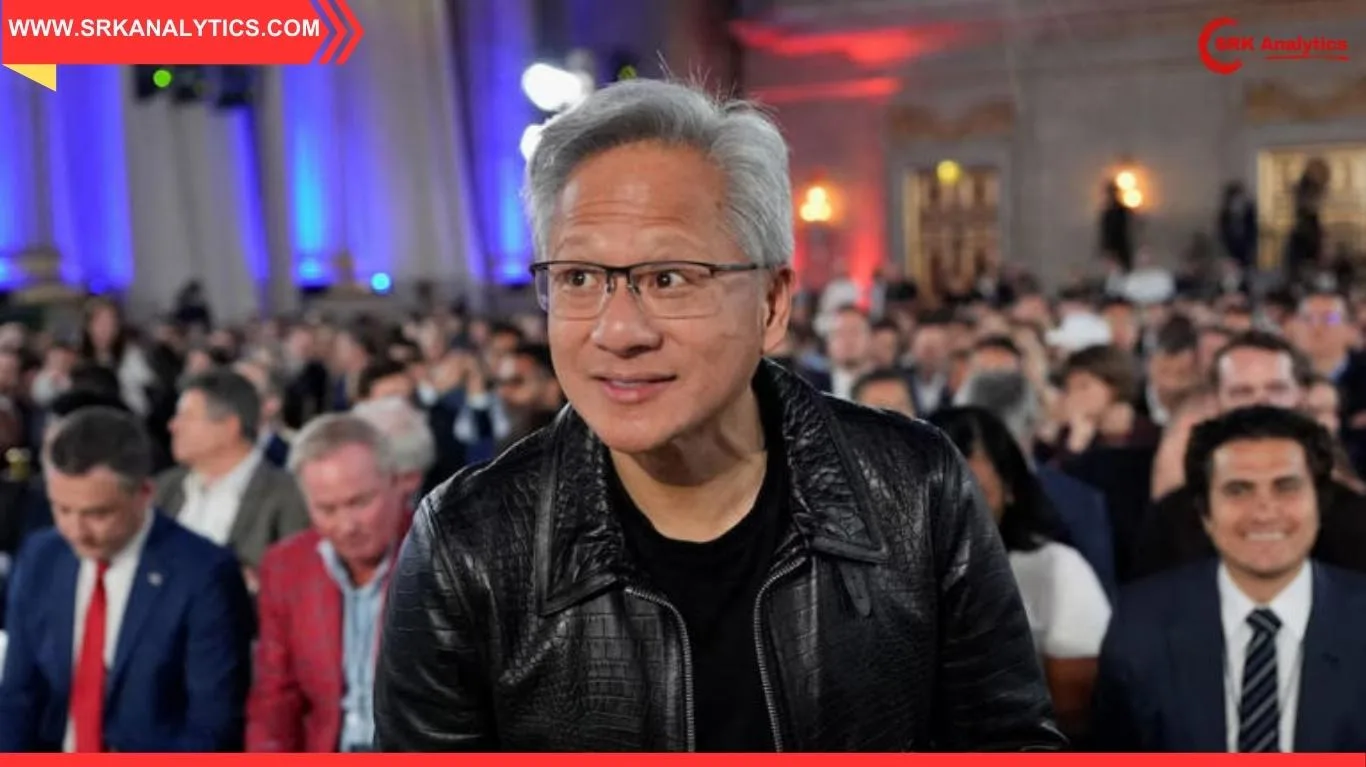
Nvidia’s charismatic CEO Jensen Huang has revealed the intensity of his work ethic, admitting that he works seven days a week, including holidays, and lives “always in a state of anxiety.” His candid remarks shed light on the relentless demands of leading one of the world’s most valuable technology companies, especially at a time when artificial intelligence (AI), semiconductors, and graphics processing units (GPUs) are reshaping global industries.
Huang’s statement has sparked conversations about leadership, mental resilience, and the sacrifices required to stay ahead in the fast-paced world of technology. It also highlights the personal toll that comes with steering Nvidia, a company that has become synonymous with innovation in AI, gaming, and high-performance computing.
Key Highlights
- Jensen Huang admits to working 7 days a week, including holidays.
- Describes himself as “always in a state of anxiety.”
- Nvidia’s rapid growth in AI and GPUs adds pressure on leadership.
- Sparks debate on work-life balance among tech leaders.
- Fans and analysts praise Huang’s dedication but raise concerns about sustainability.
Nvidia’s Rise Under Huang
Founded in 1993, Nvidia has grown from a graphics card manufacturer into a global powerhouse driving AI, machine learning, and data center technologies. Under Huang’s leadership, the company has consistently pushed boundaries, with GPUs becoming central to everything from gaming to autonomous vehicles and generative AI models.
The company’s meteoric rise has placed immense responsibility on Huang, who has become the face of Nvidia’s success. His admission of constant anxiety reflects the weight of expectations from investors, customers, and the broader tech ecosystem.
Statistical Overview of Nvidia’s Growth
| Year | Market Capitalization (USD Billion) | Revenue (USD Billion) | Key Milestone |
|---|---|---|---|
| 2015 | 15 | 5.0 | Gaming GPUs dominate |
| 2018 | 100 | 9.7 | AI adoption accelerates |
| 2021 | 500 | 16.7 | Data center growth |
| 2023 | 1,000+ | 27.0 | AI boom drives demand |
| 2025 | 1,300+ | 30.5 | Global leader in AI chips |
Impact of Huang’s Work Ethic
| Factor | Impact on Jensen Huang | Impact on Nvidia | Impact on Tech Industry |
|---|---|---|---|
| Workload | Constant anxiety, limited rest | Strong leadership continuity | Sets benchmark for CEOs |
| Innovation | Relentless pursuit of excellence | Breakthroughs in AI & GPUs | Inspires competitors |
| Sustainability | Raises concerns about burnout | Dependence on Huang’s vision | Sparks debate on work culture |
| Public perception | Seen as dedicated but anxious | Enhances brand credibility | Highlights human side of leadership |
Why Huang’s Statement Matters
- Leadership Transparency: Huang’s honesty about anxiety humanizes the role of a CEO.
- Work-Life Balance Debate: Raises questions about whether relentless work is sustainable.
- Tech Industry Pressure: Reflects the competitive nature of AI and semiconductor markets.
- Investor Confidence: Demonstrates commitment but also highlights risks of over-dependence on one leader.
Expert Views
Industry analysts note that Huang’s work ethic has been instrumental in Nvidia’s success. However, they caution that constant anxiety and lack of rest could impact long-term decision-making. Some experts argue that tech leaders must balance innovation with personal well-being to ensure sustainable growth.
Fan and Public Reactions
Fans and followers of Nvidia praised Huang’s dedication, calling him a visionary who embodies the spirit of innovation. However, many also expressed concern about his mental health, urging leaders to prioritize balance. Social media discussions highlighted admiration for his honesty but also sparked debates about the culture of overwork in Silicon Valley.
Historical Context
The tech industry has a history of leaders who worked tirelessly to build their companies. Figures like Steve Jobs, Elon Musk, and Bill Gates have all been known for their relentless schedules. Huang’s admission places him in this lineage but also reflects the modern awareness of mental health and work-life balance.
Extended Analysis
Huang’s remarks underscore broader themes in leadership and technology:
- Relentless Innovation: Staying ahead in AI requires constant effort and vigilance.
- Mental Health Awareness: Leaders are increasingly open about the psychological toll of their roles.
- Cultural Expectations: Silicon Valley often glorifies overwork, raising questions about sustainability.
- Future of Leadership: As companies grow, reliance on a single visionary leader may need reevaluation.
For Nvidia, Huang’s dedication ensures continued innovation. For the tech industry, his honesty sparks necessary conversations about the human cost of leadership.
Conclusion
Jensen Huang’s revelation that he works seven days a week, including holidays, and lives “always in a state of anxiety” offers a rare glimpse into the pressures of leading Nvidia. While his relentless work ethic has propelled the company to global dominance, it also raises important questions about sustainability, mental health, and the future of leadership in technology. As Nvidia continues to shape the AI revolution, Huang’s journey serves as both inspiration and cautionary tale.
Disclaimer
This article is based on publicly available business updates, expert commentary, and fan reactions. It is intended for informational and editorial purposes only, offering insights into Jensen Huang’s remarks on his work ethic and their implications for Nvidia and the broader tech industry.