









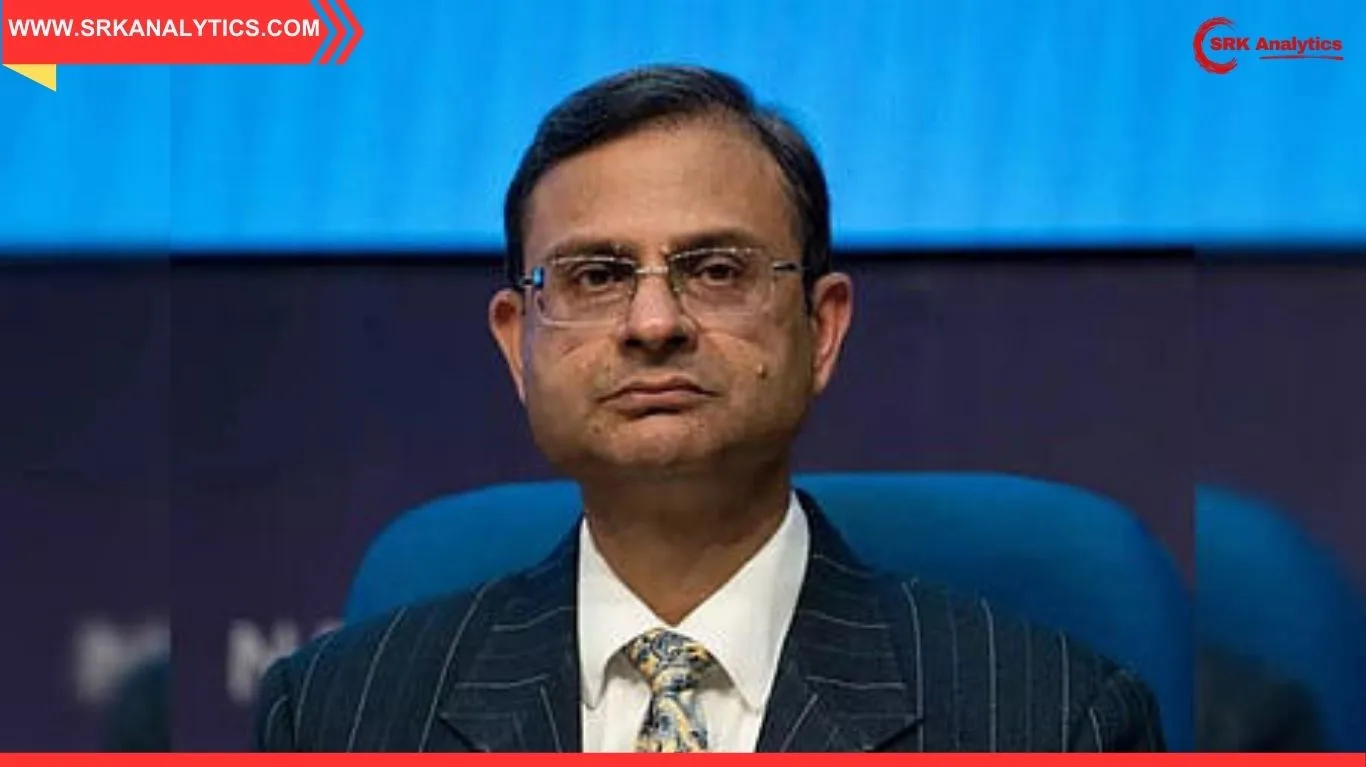
The Indian rupee has been under pressure in recent months, sparking concerns among investors, businesses, and policy watchers. However, Governor Malhotra has reassured markets that the currency’s decline is not a cause for panic. According to him, the rupee is likely to stabilize and trade around the 90 mark against the U.S. dollar in the near term, supported by strong macroeconomic fundamentals and proactive measures by the Reserve Bank of India (RBI).
Malhotra’s comments come at a time when global financial markets are grappling with volatility driven by U.S. interest rate hikes, rising crude oil prices, and geopolitical tensions. Despite these challenges, India’s central bank remains confident that the rupee’s trajectory reflects global trends rather than domestic instability.
Key Highlights
- Rupee under pressure but not in crisis, says Governor Malhotra.
- Currency expected to trade around 90 against the U.S. dollar.
- RBI’s interventions and forex reserves provide stability.
- Global factors like dollar strength and oil prices driving volatility.
- India’s fundamentals remain resilient compared to other emerging markets.
Background of the Rupee’s Decline
The rupee has depreciated steadily over the past year, largely due to external factors. The strengthening of the U.S. dollar, driven by aggressive monetary tightening by the Federal Reserve, has put pressure on emerging market currencies. Rising crude oil prices have further strained India’s import bill, while capital outflows from equity and debt markets have added to the pressure.
Despite these headwinds, Governor Malhotra emphasized that India’s economy remains robust, with healthy GDP growth, controlled inflation, and strong forex reserves.
Statistical Overview of Rupee’s Performance
| Period | Exchange Rate vs USD | Key Drivers | Market Sentiment |
|---|---|---|---|
| January 2025 | 82.5 | Stable flows | Neutral |
| June 2025 | 84.2 | Crude oil spike | Negative |
| September 2025 | 86.5 | Dollar strength | Cautious |
| November 2025 | 88.7 | Capital outflows | Watchful |
| December 2025 | 89.5 | Global volatility | Concerned |
| Projection (2026) | ~90 | Stabilization expected | Balanced |
Rupee Outlook
| Factor | Short-Term Impact | Long-Term Outlook | Policy Response |
|---|---|---|---|
| Dollar strength | Weakens rupee | Depends on Fed policy | RBI monitoring |
| Crude oil prices | Increases import bill | Linked to global supply | Energy diversification |
| Capital flows | Outflows weaken currency | Attract FDI for stability | Policy reforms |
| RBI intervention | Provides cushion | Sustainable reserves | Active forex management |
Governor Malhotra’s Perspective
Malhotra explained that while the rupee’s weakness is visible, it is not a cause for panic. He highlighted three key points:
- Reserves Cushion: India’s forex reserves remain strong, providing the RBI with the ability to intervene when necessary.
- Macro Fundamentals: Inflation is under control compared to many other economies, and GDP growth remains robust.
- Global Context: Emerging market currencies across Asia and Latin America are facing similar pressures, making India’s situation relatively better.
RBI’s Role
The Reserve Bank of India has been actively intervening in the forex market to smooth volatility. By selling dollars from its reserves, the RBI ensures that the rupee does not depreciate sharply. Analysts believe that the central bank’s proactive stance has prevented panic in the markets.
Impact on Businesses
For Indian businesses, especially importers and exporters, rupee volatility poses challenges. Importers face higher costs when the rupee weakens, while exporters may benefit from increased competitiveness. Malhotra advised companies to adopt hedging strategies to mitigate risks and ensure stability in financial planning.
Expert Views
Other economists echo Malhotra’s sentiment, noting that while the rupee is under pressure, India’s fundamentals remain strong. They argue that the currency’s movement is cyclical and linked to global factors rather than domestic weakness.
Public Sentiment
Investors and citizens have expressed concern about rising costs of imports, particularly fuel. However, the reassurance from experts and the RBI’s interventions have helped maintain confidence in the rupee’s stability.
Historical Context
The rupee has faced similar episodes of pressure in the past, including during the 2013 taper tantrum and the 2020 pandemic. In each case, India managed to stabilize the currency through policy measures and reserve management. The current situation is seen as another phase in this ongoing cycle.
Extended Analysis
The rupee’s trajectory highlights the interconnectedness of global markets. As long as the U.S. dollar remains strong and crude oil prices volatile, emerging market currencies will face challenges. For India, the focus remains on maintaining macroeconomic stability, attracting foreign investment, and diversifying energy sources to reduce vulnerability.
Malhotra’s reassurance reflects confidence in India’s ability to weather external shocks. The projection of the rupee trading around 90 suggests a realistic adjustment rather than a crisis scenario.
Conclusion
The Indian rupee is under pressure, but according to Governor Malhotra, it is not a panic situation. With strong forex reserves, proactive RBI intervention, and resilient macroeconomic fundamentals, India is well-positioned to weather the storm. Businesses and investors are advised to remain cautious but not alarmed, as the rupee’s movement reflects global trends rather than domestic instability.
Disclaimer
This article is based on publicly available financial updates, expert commentary, and market analysis. It is intended for informational and editorial purposes only, offering insights into the rupee’s current situation and Governor Malhotra’s perspective. Readers should consult financial advisors for personalized guidance.