





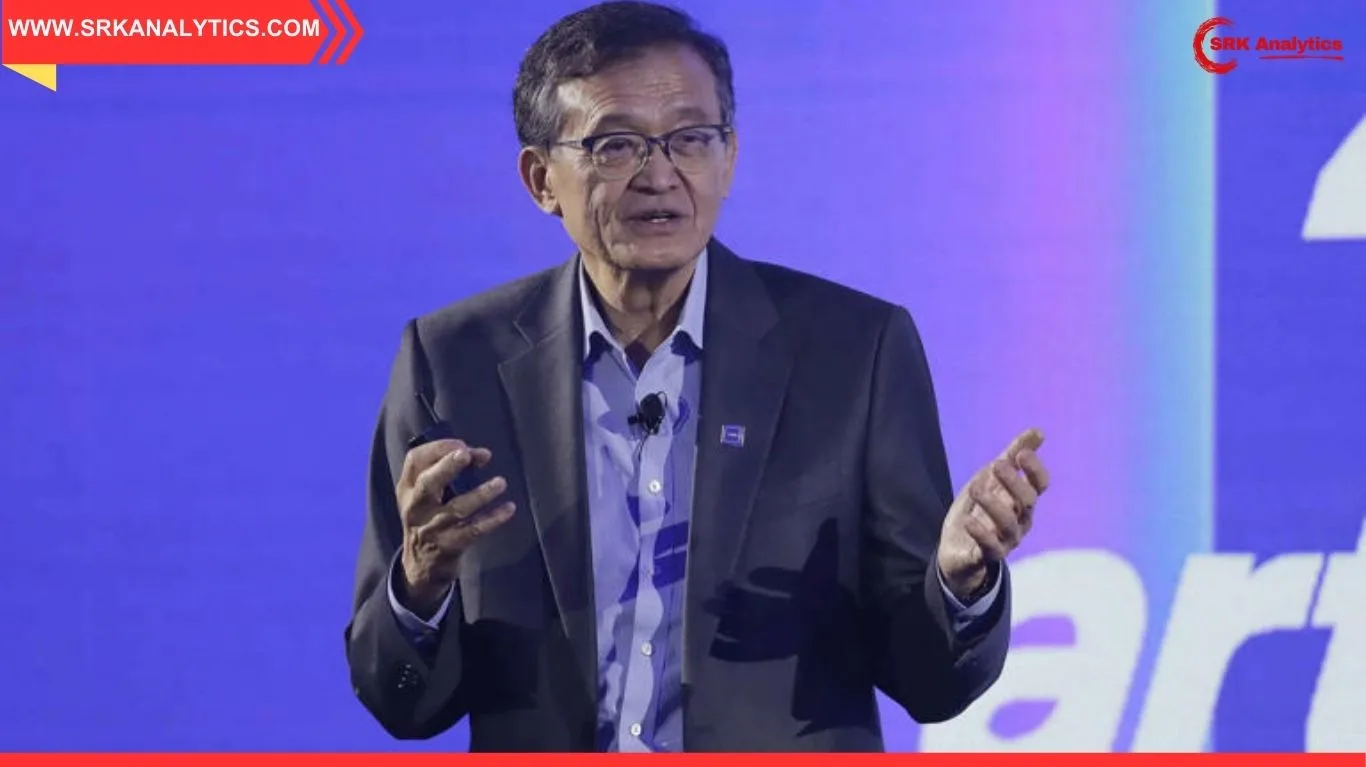
In a surprising strategic reversal, Intel Corporation has announced that it will not proceed with its previously planned sale of its networking division. The chipmaker, which had been exploring divestment options as part of its broader restructuring strategy, issued a statement confirming that the division will remain under Intel’s umbrella. The decision underscores Intel’s renewed commitment to strengthening its position in networking, data centers, and next-generation connectivity solutions.
The networking division, which plays a critical role in Intel’s overall ecosystem, had been under scrutiny as the company sought to streamline operations and focus on core semiconductor manufacturing. However, Intel’s leadership has now emphasized that networking is integral to its long-term vision, particularly in areas such as 5G, cloud infrastructure, and artificial intelligence-driven connectivity.
Key Highlights
- Intel cancels plan to sell its networking division.
- Company cites strategic importance of networking for future growth.
- Division remains central to Intel’s data center and 5G ambitions.
- Market analysts view the move as a reaffirmation of Intel’s long-term vision.
- Intel’s statement emphasizes commitment to innovation and customer needs.
Intel’s Official Statement
In its announcement, Intel highlighted that the networking division is vital for enabling next-generation technologies. The company noted that customer demand for integrated solutions across compute, storage, and networking continues to grow, making it essential to retain full control of the division. Intel also reiterated its focus on delivering end-to-end solutions that support cloud providers, telecom operators, and enterprise customers.
Statistical Overview of Intel’s Networking Division
| Segment | Contribution to Intel Revenue | Key Products | Strategic Importance |
|---|---|---|---|
| Data Center Networking | ~15% | Ethernet adapters, switches | Supports cloud and AI workloads |
| 5G Infrastructure | ~10% | Baseband chips, edge solutions | Critical for telecom partnerships |
| Enterprise Solutions | ~8% | Network interface cards | Enhances enterprise connectivity |
| Overall Networking | ~33% combined impact | Integrated solutions | Strengthens Intel ecosystem |
Intel’s U-Turn Decision
| Factor | Impact on Intel | Impact on Customers | Impact on Market |
|---|---|---|---|
| Strategic reversal | Retains critical division | Ensures continuity of solutions | Signals confidence in networking |
| Innovation focus | Accelerates R&D | Access to advanced products | Boosts competitiveness |
| Customer trust | Reinforces reliability | Long-term partnerships | Stability in supply chain |
| Market perception | Positive sentiment | Reduced uncertainty | Strengthens Intel’s positioning |
Why Intel Changed Course
Intel’s decision to cancel the sale reflects several key considerations:
- Integration Needs: Networking is deeply integrated with Intel’s data center and AI businesses, making divestment impractical.
- Market Demand: With rising demand for cloud services, 5G, and edge computing, networking solutions are increasingly critical.
- Competitive Landscape: Rivals like AMD and NVIDIA are expanding into networking, prompting Intel to retain its division to remain competitive.
- Customer Relationships: Intel’s enterprise and telecom customers rely on its networking solutions, and divestment could have disrupted partnerships.
Expert Views
Industry analysts have welcomed Intel’s U-turn, noting that the networking division is a strategic asset. Many believe that selling the division would have weakened Intel’s ability to deliver integrated solutions. Experts also highlight that Intel’s renewed focus on networking aligns with global trends in digital transformation, where connectivity is as important as compute power.
Customer Impact
For customers, Intel’s decision ensures continuity and stability. Cloud providers, telecom operators, and enterprises can continue to rely on Intel’s networking solutions without disruption. The move also reassures customers that Intel remains committed to innovation in networking technologies.
Historical Context
Intel has a long history of leadership in networking, from pioneering Ethernet adapters to developing advanced data center solutions. The division has played a crucial role in enabling the growth of the internet, cloud computing, and enterprise IT. The latest decision reflects Intel’s recognition of this legacy and its importance for future growth.
Extended Analysis
Intel’s U-turn highlights broader themes in the semiconductor industry:
- Integration of Compute and Connectivity: Modern workloads require seamless integration of CPUs, GPUs, and networking.
- Global Digital Transformation: Networking is central to cloud adoption, AI deployment, and 5G expansion.
- Strategic Autonomy: Retaining the division ensures Intel’s independence in delivering end-to-end solutions.
- Competitive Pressures: With rivals expanding aggressively, Intel’s move strengthens its competitive edge.
Conclusion
Intel’s cancellation of its plan to sell the networking division marks a significant strategic shift. By retaining the division, Intel reaffirms its commitment to innovation, customer trust, and long-term growth. The decision underscores the importance of networking in enabling next-generation technologies, from AI to 5G, and positions Intel as a stronger player in the global semiconductor and connectivity markets.
Disclaimer
This article is based on publicly available corporate updates, expert commentary, and market analysis. It is intended for informational and editorial purposes only, offering insights into Intel’s decision to retain its networking division and its implications for the company, customers, and the broader industry.