









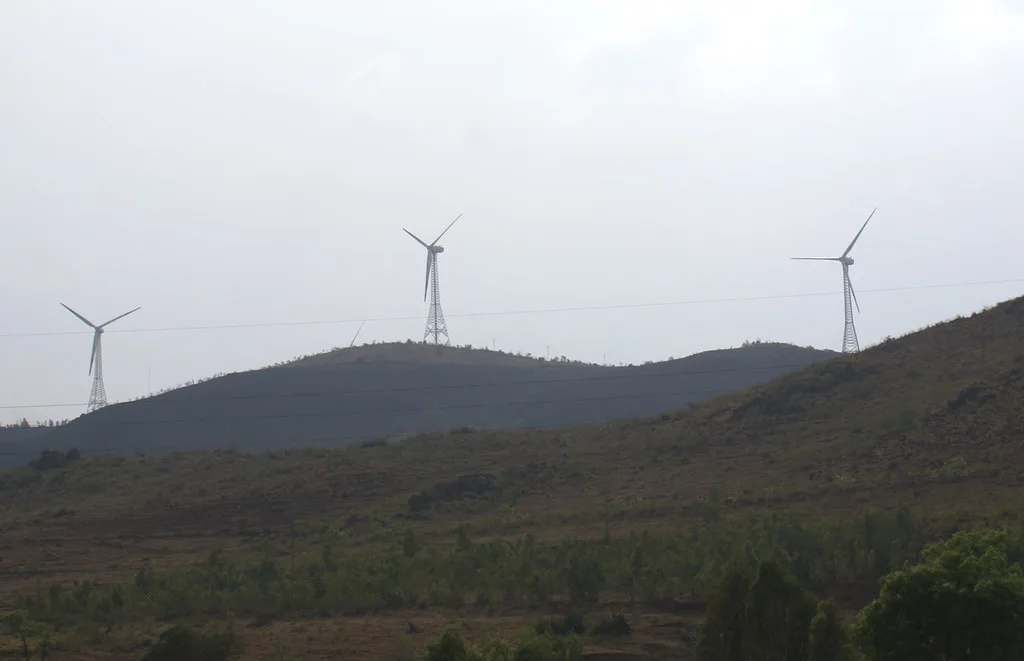
India has officially surpassed 530 gigawatts (GW) of total power generation capacity as of late 2024, marking a significant milestone in the nation’s push to secure energy independence and support its rapidly expanding economy. Driven by a massive influx of renewable energy projects and thermal upgrades, the Ministry of Power confirmed that the country is now firmly on track to reach a 600 GW capacity threshold by the end of next year.
The Context of Energy Expansion
India’s power sector has undergone a rapid transformation over the past decade, moving away from a reliance on traditional coal-fired plants toward a diversified energy matrix. This surge is fueled by the government’s ambitious goal of achieving 500 GW of non-fossil fuel capacity by 2030, a promise made during the COP26 climate summit.
Historically, the country struggled with persistent power deficits and grid instability. Recent policy reforms, such as the Production Linked Incentive (PLI) schemes and enhanced transmission infrastructure, have facilitated this rapid capacity addition, allowing the grid to handle higher loads and more intermittent renewable sources.
Growth Drivers and Sectoral Shifts
The expansion is not limited to a single energy source, though solar and wind power represent the largest share of new installations. Massive solar parks in states like Rajasthan and Gujarat are providing the necessary volume to meet rising industrial demand.
Simultaneously, the government has continued to sanction new thermal power projects to ensure baseload reliability. Experts note that while renewables are growing, coal remains essential for maintaining stability during non-sunlight hours, creating a hybrid approach to national energy security.
Expert Perspectives and Data
Industry analysts at the International Energy Agency (IEA) have frequently highlighted India as one of the fastest-growing electricity markets in the world. According to recent data from the Central Electricity Authority (CEA), the rapid integration of Battery Energy Storage Systems (BESS) is becoming a critical component of this growth.
“The transition is moving beyond mere generation to intelligent distribution,” says Dr. Ananya Rao, a lead researcher in energy policy. “Crossing the 530 GW mark proves that the supply chain constraints that plagued the sector post-pandemic have largely been mitigated.”
Implications for the Future
For the industrial sector, this increase in capacity translates to more reliable power supply, which is essential for India‘s aim to become a global manufacturing hub. The expanded capacity is expected to lower electricity tariffs in the long term, provided that grid integration remains efficient and loss-reduction measures continue.
Looking ahead, the focus will shift from simple generation capacity to the modernization of the national grid. Industry watchers should monitor upcoming legislative moves regarding green hydrogen mandates and the further privatization of state-run distribution companies, which will dictate how this 600 GW of power is ultimately delivered to the end consumer.